THE ADVENTURE COLLECTIVE® · Independent discovery and booking for outdoor travel

Three days of karst passes, historic Pác Bó, limestone caves and the thunder of Ban Gioc—this tour folds cultural stops and manageable walks into a classic northern Vietnam loop. Expect long drives, homestays, and highland weather shifts.
Three days of karst passes, historic Pác Bó, limestone caves and the thunder of Ban Gioc—this tour folds cultural stops and manageable walks into a classic northern Vietnam loop. Expect long drives, homestays, and highland weather shifts.
A low sun lifts off the karst ridges as the coach rolls north from Hanoi, and the road unfurls into a landscape that feels older than the cities it leaves behind. By mid‑afternoon the group steps out at Pác Bó: a narrow stream threads past a cave once used by Ho Chi Minh, and the air smells of wet limestone and wood smoke. The tour moves with a clear rhythm—short hikes, village visits, cave passages, and long stretches of scenic driving—so the scenery has time to make an impression.
Verified experiences and guided adventures in the surrounding area.
Operated by Local Tours Ha Giang · Cao Bang, Cao Bang Province
A low sun lifts off the karst ridges as the coach rolls north from Hanoi, and the road unfurls into a landscape that feels older than the cities it leaves behind. By mid‑afternoon the group steps out at Pác Bó: a narrow stream threads past a cave once used by Ho Chi Minh, and the air smells of wet limestone and wood smoke. The tour moves with a clear rhythm—short hikes, village visits, cave passages, and long stretches of scenic driving—so the scenery has time to make an impression.
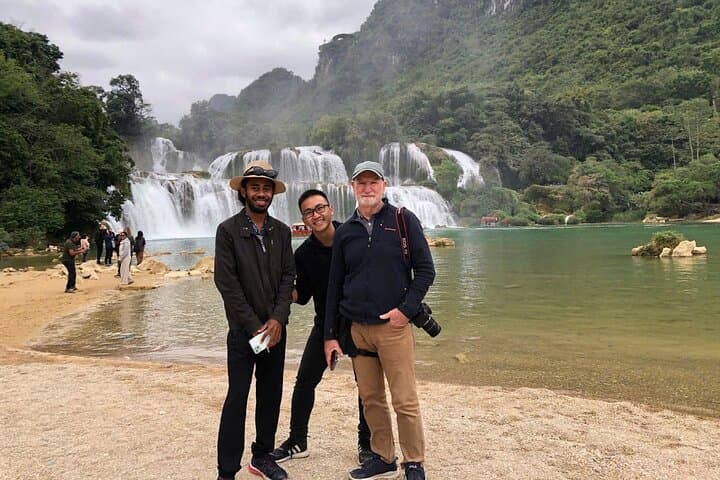
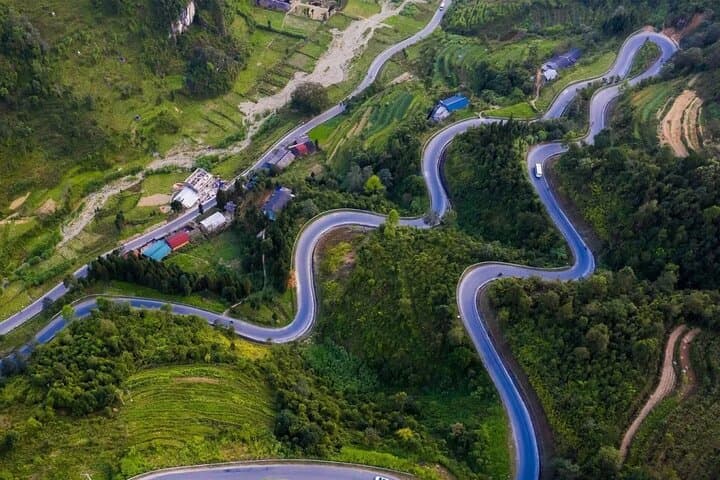
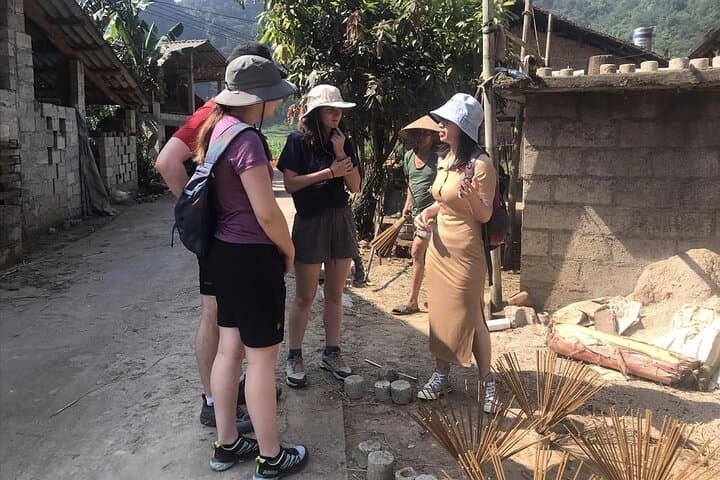
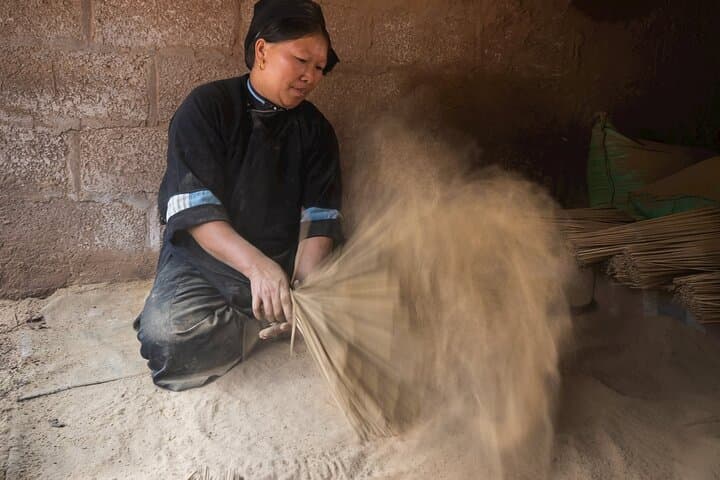
Cao Bằng’s countryside is carved from weathered limestone and braided by rivers that mark the Vietnam–China border. Ma Phuc Pass offers classic winding limestone silhouettes; Phia Thap preserves incense-making techniques of the Nùng community; and Angel Eye Mountain shows how erosion sculpts improbable openings in stone. Ban Gioc/Detian waterfall finishes the loop with a broad, multi-tiered curtain of water that dares you to step closer. Nguom Ngao cave delivers cool, silent chambers and dramatic stalactite architecture.
Practically, expect long coach transfers (Hanoi–Cao Bằng ~6–7 hours each way) and a mix of hotel and homestay lodging. Paths can be uneven and slippery after rain; wear grippy shoes and carry a light daypack. Bring cash—local vendors often don’t accept cards—and allow extra time for photography and short cultural exchanges in Tay and H’mong villages. Weather shifts quickly in the highlands, so layer and plan for morning chill and warmer afternoons. The circuit is manageable for most fit travelers and rewards patience with remote vistas, living craft traditions, and clear, powerful water.
moderate.
3 days.
Suitable for travelers in average fitness: expect long seated transfers, brief hikes, stairs in caves and some uneven village paths.
Expect approximately 6–7 hours each way with a comfort break; the itinerary includes an early morning departure and an evening return.
No border crossing is required for the standard tour; visitors stay on the Vietnamese side—carry ID and travel documents as requested by the operator.
The tour lists breakfasts, lunches and dinners as indicated and includes entrance fees for Nguom Ngao Cave, Pac Bo and Ban Gioc; check the booking inclusions for specifics.
This trip involves caves, uneven paths and some steps that may be challenging for travelers with mobility limitations; contact the operator to discuss accommodations and accessibility needs.
Pác Bó is historically significant as a site where Ho Chi Minh returned to Vietnam and lived in the early 1940s; the area blends revolutionary history with local ethnic traditions.
Ban Gioc and surrounding karst landscapes are sensitive to runoff and tourism pressure; stick to marked paths, avoid littering and support local guides and homestays to keep tourism benefits local.
Local Tours Ha Giang operates guided outdoor trips and adventures with an emphasis on safety, stewardship, and memorable experiences.
A low sun lifts off the karst ridges as the coach rolls north from Hanoi, and the road unfurls into a landscape that feels older than the cities it leaves behind. By mid‑afternoon the group steps out at Pác Bó: a narrow stream threads past a cave once used by Ho Chi Minh, and the air smells of wet limestone and wood smoke. The tour moves with a clear rhythm—short hikes, village visits, cave passages, and long stretches of scenic driving—so the scenery has time to make an impression.
A low sun lifts off the karst ridges as the coach rolls north from Hanoi, and the road unfurls into a landscape that feels older than the cities it leaves behind. By mid‑afternoon the group steps out at Pác Bó: a narrow stream threads past a cave once used by Ho Chi Minh, and the air smells of wet limestone and wood smoke. The tour moves with a clear rhythm—short hikes, village visits, cave passages, and long stretches of scenic driving—so the scenery has time to make an impression.
Cao Bằng’s countryside is carved from weathered limestone and braided by rivers that mark the Vietnam–China border. Ma Phuc Pass offers classic winding limestone silhouettes; Phia Thap preserves incense-making techniques of the Nùng community; and Angel Eye Mountain shows how erosion sculpts improbable openings in stone. Ban Gioc/Detian waterfall finishes the loop with a broad, multi-tiered curtain of water that dares you to step closer. Nguom Ngao cave delivers cool, silent chambers and dramatic stalactite architecture.
Practically, expect long coach transfers (Hanoi–Cao Bằng ~6–7 hours each way) and a mix of hotel and homestay lodging. Paths can be uneven and slippery after rain; wear grippy shoes and carry a light daypack. Bring cash—local vendors often don’t accept cards—and allow extra time for photography and short cultural exchanges in Tay and H’mong villages. Weather shifts quickly in the highlands, so layer and plan for morning chill and warmer afternoons. The circuit is manageable for most fit travelers and rewards patience with remote vistas, living craft traditions, and clear, powerful water.