THE ADVENTURE COLLECTIVE® · Independent discovery and booking for outdoor travel

Trace rivers that slice limestone, sleep in Tay stilt houses and stand beneath Bản Giốc’s roaring tiers on a four‑day northern Vietnam circuit. This trip pairs dramatic waterfalls with the quiet of Ba Bể Lake and culturally rich village stops.
Trace rivers that slice limestone, sleep in Tay stilt houses and stand beneath Bản Giốc’s roaring tiers on a four‑day northern Vietnam circuit. This trip pairs dramatic waterfalls with the quiet of Ba Bể Lake and culturally rich village stops.
Mist rises off the tiers of Bản Giốc in the cool morning air, water daring you closer as it thunders along the Vietnam–China border. On this four‑day route you move from river canyons to quiet karst meadows, sleeping in Tay stilt houses and small homestays where the pace is dictated by sunrise and the boil of rice.
Verified experiences and guided adventures in the surrounding area.
Operated by Authentic PHU QUOC · Cao Bang, Cao Bằng Province
Mist rises off the tiers of Bản Giốc in the cool morning air, water daring you closer as it thunders along the Vietnam–China border. On this four‑day route you move from river canyons to quiet karst meadows, sleeping in Tay stilt houses and small homestays where the pace is dictated by sunrise and the boil of rice.
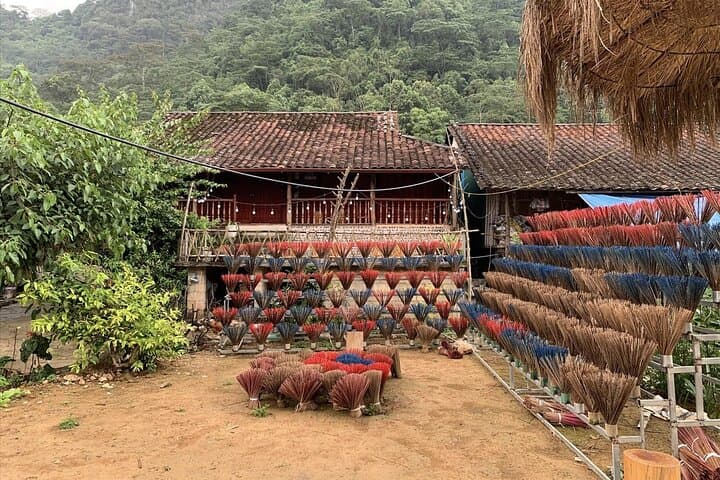
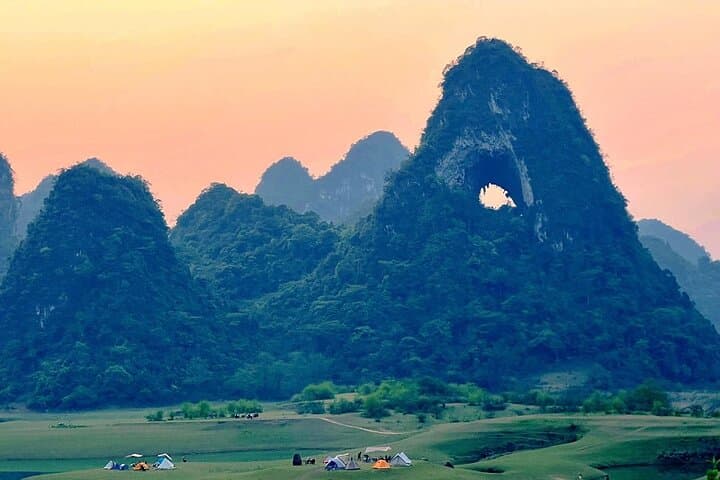
Cao Bằng sits on ancient limestone—limestone that has been eroded into caves like Ngườm Ngao and sculpted into passes such as Ma Phuc and the God’s Eye. The region’s history is stitched to 20th‑century revolutionaries at Pac Bo, and to the Tay, H’mong and Dao communities who farm the valley floors and keep local craft alive.
Expect a mix of paved drives and short walks: viewing platforms at Bản Giốc, boat options on Ba Bể Lake, a guided cave route through stalactite chambers, and village paths to tea houses. Terrain ranges from riverside boardwalks to rocky trails with modest elevation; weather can shift quickly in the highlands, so layers matter. Plan for early starts to catch light on the falls and quieter moments on the lake.
Practical: carry cash for remote meals and entry fees, bring sturdy shoes for cave steps, and a rain shell for sudden showers. Respect private village spaces, ask before photographing people, and follow park signage to protect fragile limestone features. This itinerary balances spectacle with calm—waterfalls that demand attention and lakes that let you breathe.
moderate.
4 days.
Moderate fitness; able to walk 2–6 km per day over uneven paths and climb cave steps.
The tour includes round‑trip bus transfers between Hanoi and Cao Bằng; independent travel is also possible by long‑distance bus or private car.
Boat trips on Ba Bể are usually optional and may require a small additional fee—confirm with your guide on day four.
The tour notes it’s suitable for most fitness levels, but travelers with spinal or serious heart conditions should avoid strenuous activities; discuss needs with the operator.
Bản Giốc sits on the Vietnam–China border but visits remain on the Vietnamese side; standard Vietnam entry requirements apply—check visa rules for your nationality.
Cao Bằng played a key role in the Vietnamese revolutionary period; Hồ Chí Minh spent time at Pac Bo during the 1940s, and the area retains many historical sites.
Ba Bể National Park and local protected areas regulate boat traffic and cave access to protect karst formations and freshwater habitats—stick to marked trails and avoid single‑use plastics.
Authentic PHU QUOC operates guided outdoor trips and adventures with an emphasis on safety, stewardship, and memorable experiences.
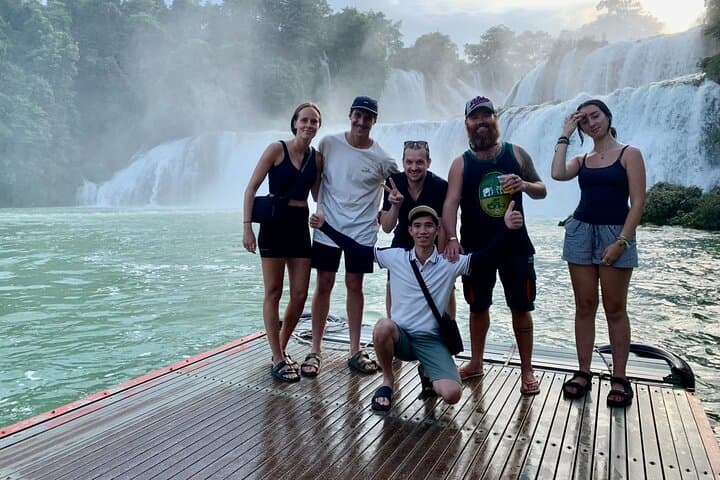
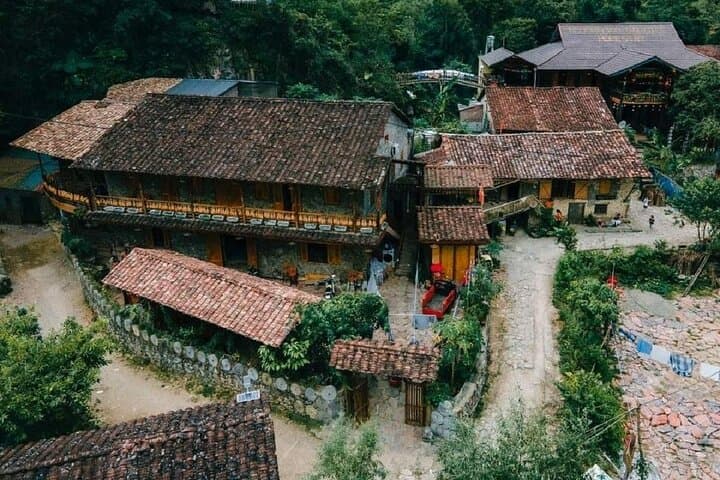
Mist rises off the tiers of Bản Giốc in the cool morning air, water daring you closer as it thunders along the Vietnam–China border. On this four‑day route you move from river canyons to quiet karst meadows, sleeping in Tay stilt houses and small homestays where the pace is dictated by sunrise and the boil of rice.
Mist rises off the tiers of Bản Giốc in the cool morning air, water daring you closer as it thunders along the Vietnam–China border. On this four‑day route you move from river canyons to quiet karst meadows, sleeping in Tay stilt houses and small homestays where the pace is dictated by sunrise and the boil of rice.
Cao Bằng sits on ancient limestone—limestone that has been eroded into caves like Ngườm Ngao and sculpted into passes such as Ma Phuc and the God’s Eye. The region’s history is stitched to 20th‑century revolutionaries at Pac Bo, and to the Tay, H’mong and Dao communities who farm the valley floors and keep local craft alive.
Expect a mix of paved drives and short walks: viewing platforms at Bản Giốc, boat options on Ba Bể Lake, a guided cave route through stalactite chambers, and village paths to tea houses. Terrain ranges from riverside boardwalks to rocky trails with modest elevation; weather can shift quickly in the highlands, so layers matter. Plan for early starts to catch light on the falls and quieter moments on the lake.
Practical: carry cash for remote meals and entry fees, bring sturdy shoes for cave steps, and a rain shell for sudden showers. Respect private village spaces, ask before photographing people, and follow park signage to protect fragile limestone features. This itinerary balances spectacle with calm—waterfalls that demand attention and lakes that let you breathe.