THE ADVENTURE COLLECTIVE® · Independent discovery and booking for outdoor travel

Three days through Cao Bang delivers waterfalls, caves and village life on a compact loop. Travel by sleeper bus, stay in homestays, and explore Ban Gioc, Pac Bo and limestone passes with an English-speaking guide.
Three days through Cao Bang delivers waterfalls, caves and village life on a compact loop. Travel by sleeper bus, stay in homestays, and explore Ban Gioc, Pac Bo and limestone passes with an English-speaking guide.
The trip begins before dawn: you arrive from Hanoi on a sleeper bus, the road unspools under faint cabin lights, and a cold mountain air meets you at Cao Bang city. By midmorning bamboo groves and limestone ridges push up like fingers through mist, and the river systems that feed Ban Gioc gather force, daring you toward the falls.
Verified experiences and guided adventures in the surrounding area.
Operated by Local Tours HALONG · Cao Bang City, Cao Bang
The trip begins before dawn: you arrive from Hanoi on a sleeper bus, the road unspools under faint cabin lights, and a cold mountain air meets you at Cao Bang city. By midmorning bamboo groves and limestone ridges push up like fingers through mist, and the river systems that feed Ban Gioc gather force, daring you toward the falls.
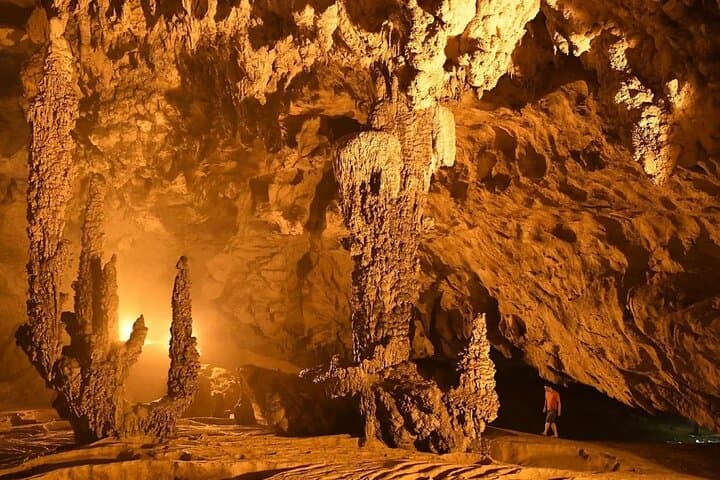
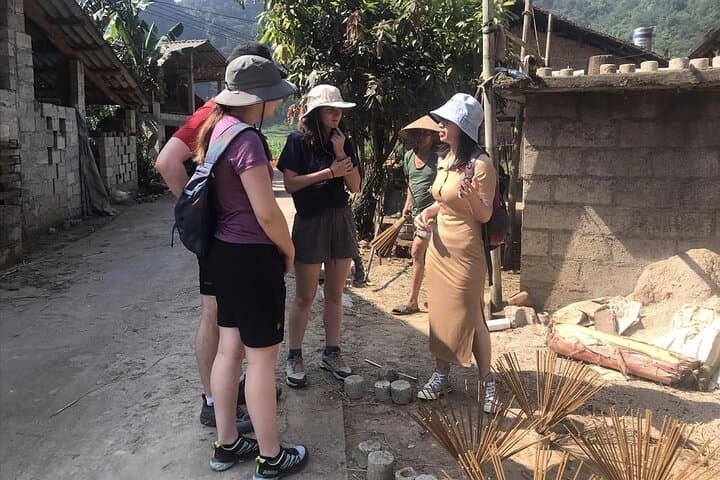
This three-day circuit stitches natural spectacle with regional history. The region’s karst limestone—sculpted by millennia of water—creates caves like Nguom Ngao and the jagged cliffs around the Eyes of the Gods. Pac Bo, a short walk from the stream where Hồ Chí Minh once took refuge, frames modern Vietnamese history amid pine and bamboo. Ethnic Tay, Nung and Hmong villages keep traditional stilt houses, textiles and markets that reveal how daily life still follows seasonal cycles.
Expect varied terrain: paved and gravel roads, short forest trails, riverbanks and cave steps. Homestays offer simple rooms and home-cooked meals; travel involves long drives broken by viewpoints and short hikes to waterfalls and caves.
Practical essentials: schedule the sleeper bus and allow time for slow roads; carry cash—ATMs are limited outside Cao Bang city. A waterproof layer and sturdy shoes are necessary during the rainy season; a headlamp is handy for caves and homestays. Pace each day—mornings yield the best light for Ban Gioc and Vinh Quy hills, while afternoon mist makes the falls dramatic. Respect local customs when visiting villages, support local guides, and pack out waste to protect fragile karst and river habitats.
moderate.
3 days.
Suitable for travelers in average fitness; includes short walks, staircases in caves and steady vehicle travel between sites.
Yes—this itinerary includes sleeper bus transport both ways and local transfers by car or motorbike as listed in the inclusions.
Three breakfasts and lunches plus two dinners are included, and accommodation is two nights in homestays or basic hotels as specified.
The tour is accessible to most travelers: expect short hikes, stairs in caves and some walking in villages; long vehicle stretches may be tiring for those sensitive to motion.
Vegetarian and other dietary requests can be arranged if notified in advance—inform the operator at booking or via the provided contact question.
Pac Bo was a wartime base where Hồ Chí Minh operated in 1941; the area blends revolutionary history with older frontier ethnic traditions.
Ban Gioc’s popularity strains local infrastructure—minimize plastic waste, stick to marked paths and hire local guides to support community-based tourism.
Local Tours HALONG operates guided outdoor trips and adventures with an emphasis on safety, stewardship, and memorable experiences.
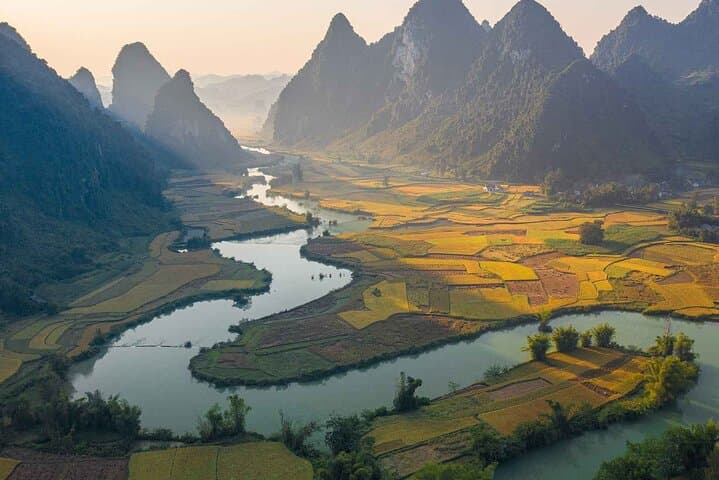
The trip begins before dawn: you arrive from Hanoi on a sleeper bus, the road unspools under faint cabin lights, and a cold mountain air meets you at Cao Bang city. By midmorning bamboo groves and limestone ridges push up like fingers through mist, and the river systems that feed Ban Gioc gather force, daring you toward the falls.
The trip begins before dawn: you arrive from Hanoi on a sleeper bus, the road unspools under faint cabin lights, and a cold mountain air meets you at Cao Bang city. By midmorning bamboo groves and limestone ridges push up like fingers through mist, and the river systems that feed Ban Gioc gather force, daring you toward the falls.
This three-day circuit stitches natural spectacle with regional history. The region’s karst limestone—sculpted by millennia of water—creates caves like Nguom Ngao and the jagged cliffs around the Eyes of the Gods. Pac Bo, a short walk from the stream where Hồ Chí Minh once took refuge, frames modern Vietnamese history amid pine and bamboo. Ethnic Tay, Nung and Hmong villages keep traditional stilt houses, textiles and markets that reveal how daily life still follows seasonal cycles.
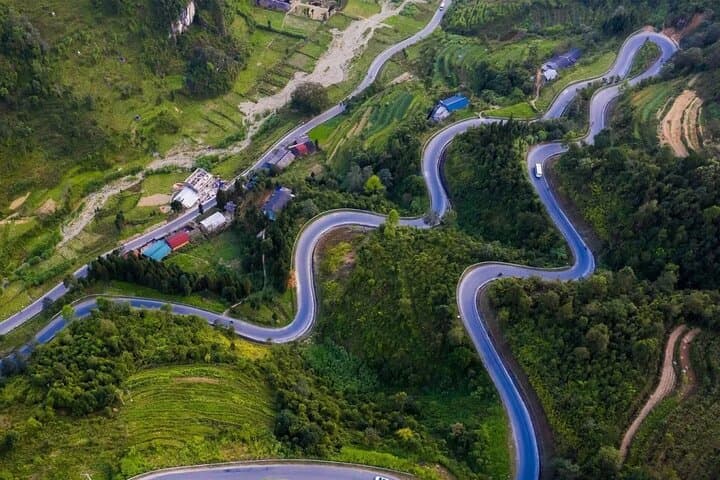
Expect varied terrain: paved and gravel roads, short forest trails, riverbanks and cave steps. Homestays offer simple rooms and home-cooked meals; travel involves long drives broken by viewpoints and short hikes to waterfalls and caves.
Practical essentials: schedule the sleeper bus and allow time for slow roads; carry cash—ATMs are limited outside Cao Bang city. A waterproof layer and sturdy shoes are necessary during the rainy season; a headlamp is handy for caves and homestays. Pace each day—mornings yield the best light for Ban Gioc and Vinh Quy hills, while afternoon mist makes the falls dramatic. Respect local customs when visiting villages, support local guides, and pack out waste to protect fragile karst and river habitats.