THE ADVENTURE COLLECTIVE® · Independent discovery and booking for outdoor travel

A three‑day circuit through Cao Bang that pairs Ban Gioc’s dramatic tiers with Pac Bo’s historical cave and quieter valley villages. Expect karst vistas, short riverside walks, and homestay nights that put you inside local life.
A three‑day circuit through Cao Bang that pairs Ban Gioc’s dramatic tiers with Pac Bo’s historical cave and quieter valley villages. Expect karst vistas, short riverside walks, and homestay nights that put you inside local life.
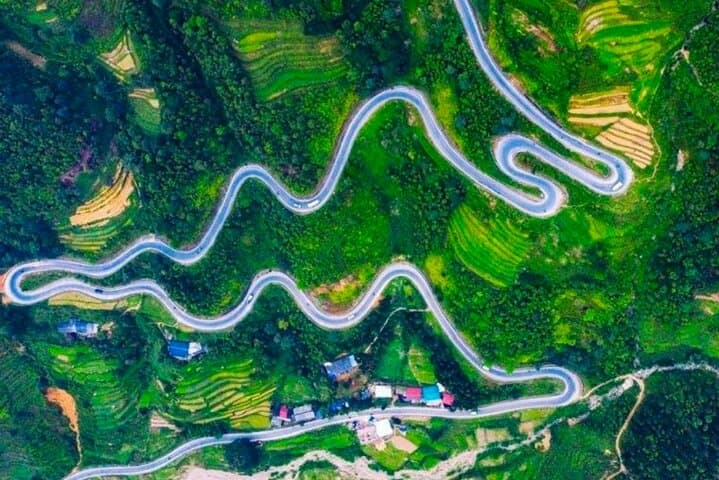
Morning mist lifts off the Quây Sơn as the shuttle winds into the highlands; limestone ribs and terraced fields slide past the window, and the air takes on a cool, mossy tone. By late afternoon Pac Bo’s Lenin Stream runs clear and slow, and the cave where Ho Chi Minh once rested feels both sacred and spare—history folded into the rock.
Verified experiences and guided adventures in the surrounding area.
Operated by Local Tours ASIA · Cao Bang City, Cao Bang
Morning mist lifts off the Quây Sơn as the shuttle winds into the highlands; limestone ribs and terraced fields slide past the window, and the air takes on a cool, mossy tone. By late afternoon Pac Bo’s Lenin Stream runs clear and slow, and the cave where Ho Chi Minh once rested feels both sacred and spare—history folded into the rock.
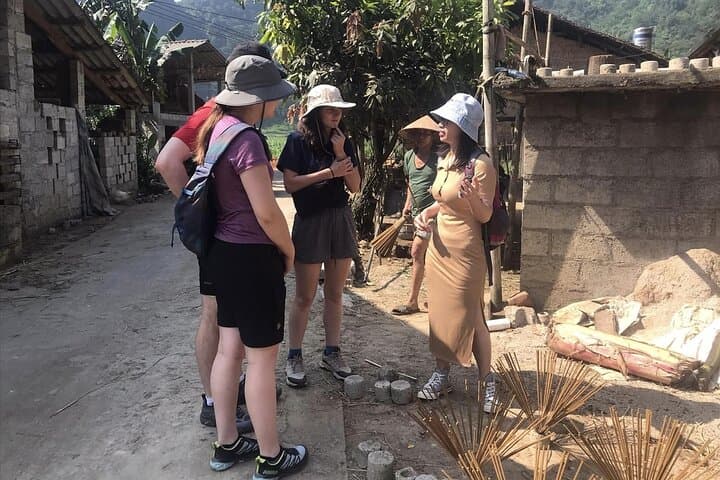
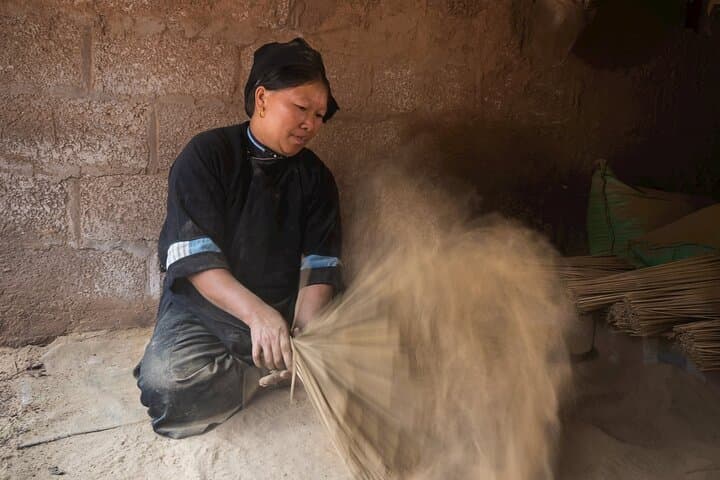
Cao Bang is defined by its geology: karst towers, narrow valleys and rivers that have carved stepped cascades like Thác Bản Giốc (Ban Gioc). Culturally the province is a mosaic of Tay, Nùng and H’mong communities whose villages and incense-making hamlets—Phia Thap among them—still use techniques passed down generations. Much of the route follows National Highway 3 and smaller mountain roads, with short unpaved access to viewpoints and homestays.
Expect gentle walking rather than technical hiking: cave pathways, riverside trails, and viewpoint scrambles that add up to 100–300 m of ascent in short bursts. Transportation covers long road legs (Hanoi–Cao Bang ~6–7 hours by shuttle) so plan for early departures and slow travel days.
Practical guidance: bring a waterproof layer and sturdy shoes for wet limestone and slick riverbanks; carry cash for small village purchases and tips; hydrate between stops—remote stretches have limited services. Visit Ban Gioc early in the day for better light and fewer crowds, and leave extra time for homestay exchanges—those conversations are part of the trip.
This circuit balances landscape, history and village life: immersive without being strenuous, ideal for travelers who want scenery, simple trails and cultural exchange in northern Vietnam.
moderate.
3 days (approx. 72 hours).
Suitable for travelers in average fitness who can handle repeated short walks, uneven ground and 1–3 hour transfers on foot.
Yes—the tour includes round‑trip bus transfers between Hanoi Old Quarter and Cao Bang as detailed in the itinerary.
Most entrance fees listed (Nguom Ngao Cave, Pac Bo, Ban Gioc) and three lunches plus listed breakfasts/dinners are included; bring cash for extra snacks or optional purchases.
The trip is rated easy to moderate with long vehicle transfers; it’s suitable for families and older travelers who can manage short walks and step access, but not recommended for those with serious mobility issues.
Visa requirements depend on your nationality—confirm Vietnam entry rules before booking and carry identification while traveling in border areas.
Pac Bo is historically significant as the place where Ho Chi Minh returned in 1941; Ban Gioc also sits on an international river border with China and has long been a regional landmark.
Visitor pressure is growing at Ban Gioc and cave sites—support homestays, follow marked trails, and avoid single‑use plastics to reduce impact.
Local Tours ASIA operates guided outdoor trips and adventures with an emphasis on safety, stewardship, and memorable experiences.

Morning mist lifts off the Quây Sơn as the shuttle winds into the highlands; limestone ribs and terraced fields slide past the window, and the air takes on a cool, mossy tone. By late afternoon Pac Bo’s Lenin Stream runs clear and slow, and the cave where Ho Chi Minh once rested feels both sacred and spare—history folded into the rock.
Morning mist lifts off the Quây Sơn as the shuttle winds into the highlands; limestone ribs and terraced fields slide past the window, and the air takes on a cool, mossy tone. By late afternoon Pac Bo’s Lenin Stream runs clear and slow, and the cave where Ho Chi Minh once rested feels both sacred and spare—history folded into the rock.
Cao Bang is defined by its geology: karst towers, narrow valleys and rivers that have carved stepped cascades like Thác Bản Giốc (Ban Gioc). Culturally the province is a mosaic of Tay, Nùng and H’mong communities whose villages and incense-making hamlets—Phia Thap among them—still use techniques passed down generations. Much of the route follows National Highway 3 and smaller mountain roads, with short unpaved access to viewpoints and homestays.
Expect gentle walking rather than technical hiking: cave pathways, riverside trails, and viewpoint scrambles that add up to 100–300 m of ascent in short bursts. Transportation covers long road legs (Hanoi–Cao Bang ~6–7 hours by shuttle) so plan for early departures and slow travel days.
Practical guidance: bring a waterproof layer and sturdy shoes for wet limestone and slick riverbanks; carry cash for small village purchases and tips; hydrate between stops—remote stretches have limited services. Visit Ban Gioc early in the day for better light and fewer crowds, and leave extra time for homestay exchanges—those conversations are part of the trip.
This circuit balances landscape, history and village life: immersive without being strenuous, ideal for travelers who want scenery, simple trails and cultural exchange in northern Vietnam.