THE ADVENTURE COLLECTIVE® · Independent discovery and booking for outdoor travel

A three‑day circuit through Cao Bang’s limestone passes, Ban Gioc waterfall and Nguom Ngao cave that mixes light hiking, cultural homestays and historic sites. Practical route notes, terrain details and local tips for travelers.
A three‑day circuit through Cao Bang’s limestone passes, Ban Gioc waterfall and Nguom Ngao cave that mixes light hiking, cultural homestays and historic sites. Practical route notes, terrain details and local tips for travelers.
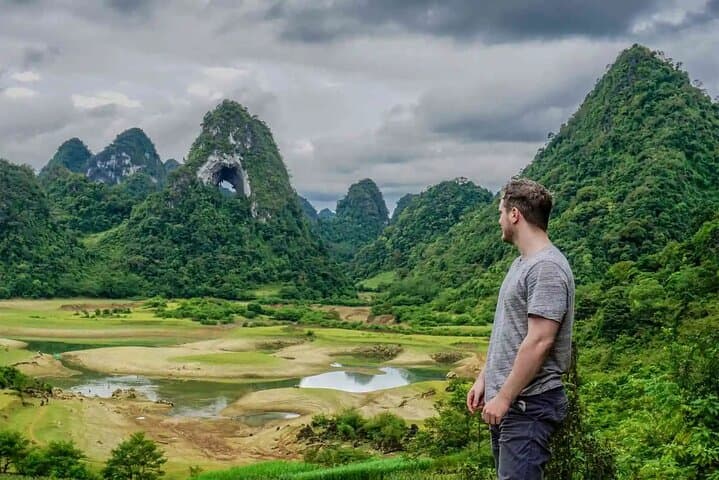
Mist hangs low over limestone peaks as the sleeper bus eases into Cao Bang at dawn. Drivers open doors to a province where rivers push you forward and mountains hold their breath—this three‑day loop moves through narrow passes, bamboo forests and the dramatic drop of Ban Gioc, Vietnam’s border waterfall.
Verified experiences and guided adventures in the surrounding area.
Operated by Vietnam Cultural Tours · Cao Bang, Cao Bang Province
Mist hangs low over limestone peaks as the sleeper bus eases into Cao Bang at dawn. Drivers open doors to a province where rivers push you forward and mountains hold their breath—this three‑day loop moves through narrow passes, bamboo forests and the dramatic drop of Ban Gioc, Vietnam’s border waterfall.
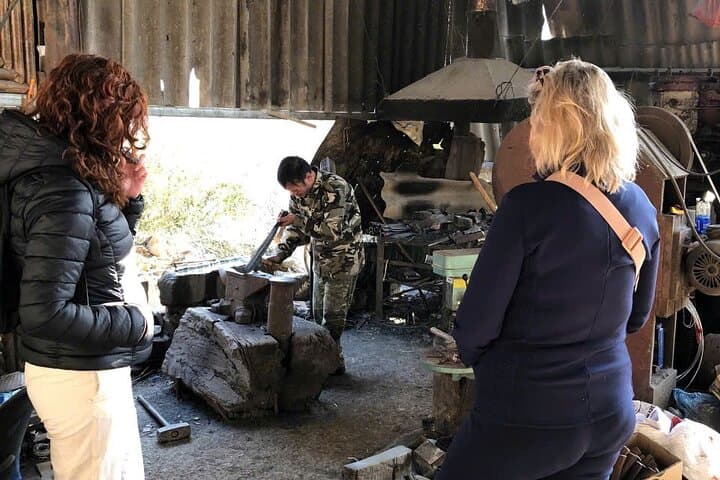
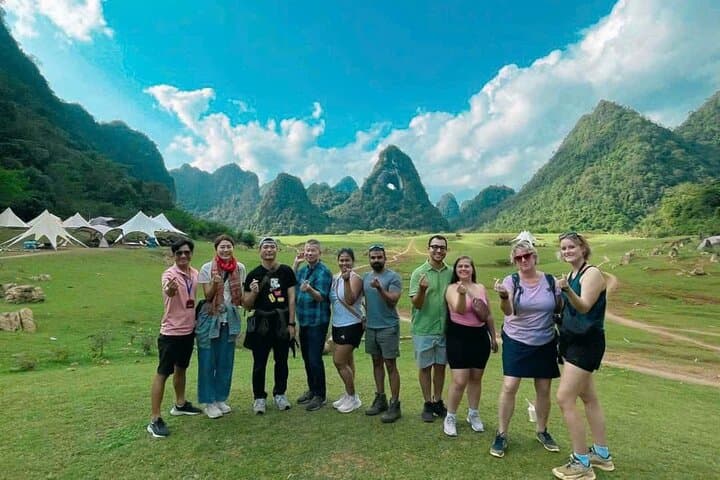
The route threads local history into landscape: Pac Bo cave and the stream where Hồ Chí Minh regrouped in the 1940s sit beneath karst ridges carved over millions of years. Geology shows in sheer cliffs, weathered limestone towers and cave passages at Nguom Ngao—stalactites and columns that record slow, patient change. Culturally, Tay and Nung villages punctuate the valleys; homestays offer shared meals and a close look at upland farming and textiles.
Expect a mix of quiet road travel and short hikes—bamboo groves, steep roadside viewpoints at Me Pia Pass (14 hairpin bends), and flat riverside trails near Ban Gioc. Terrain varies from paved provincial roads to packed dirt paths; elevation rarely exceeds 1,000–1,200 m on typical viewpoints but inclines can be sharp and uneven.
Practical guidance: pack sturdy shoes with traction, a lightweight rain shell for sudden downpours, and local currency for small purchases. Start days early for cooler air and softer light at the waterfall and caves. The tour includes most entrances and two homestay nights, but bring a headlamp and basic toiletries for rural stays. Respect village customs, follow local guides on trail safety, and leave no trace—this borderland remains fragile and quietly powerful.
moderate.
3 days.
Suitable for travelers in fair condition; involves short hikes, stairs in caves and long road transfers—basic endurance recommended.
Most international travelers need a Vietnamese visa; Ban Gioc is on the international border but crossing into China is not permitted during the tour—carry your passport for ID and any checkpoints.
Hikes are short to moderate—mostly walking to viewpoints, cave interiors with steps, and short uneven trails; no technical climbing required.
The tour includes two homestay nights, three breakfasts, three lunches and two dinners as listed; local meals may be simple and communal.
Yes, but seasonal conditions vary—summer brings heavy rain and fuller waterfalls, while fall and spring offer more stable weather and clearer views.
Pac Bo cave and the surrounding area were an important base for Hồ Chí Minh and early revolutionary activity in the 1940s, now interpreted with simple memorials and trails.
The karst landscape and freshwater systems are sensitive—stick to marked paths, avoid plastic waste and support community-based homestays that favor low-impact tourism.
Vietnam Cultural Tours operates guided outdoor trips and adventures with an emphasis on safety, stewardship, and memorable experiences.
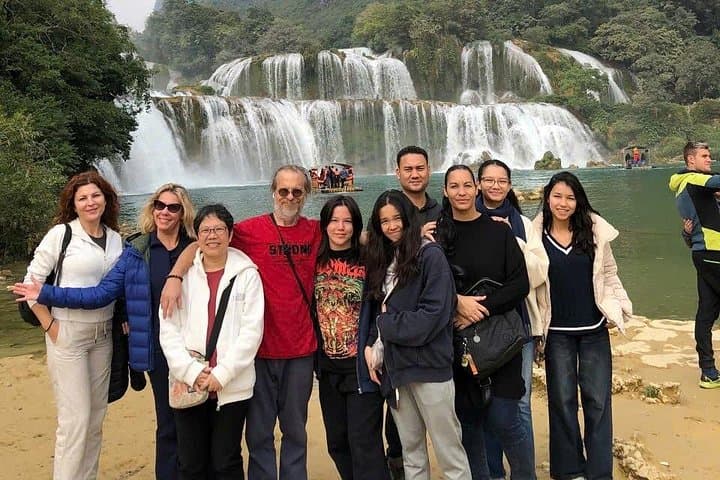
Mist hangs low over limestone peaks as the sleeper bus eases into Cao Bang at dawn. Drivers open doors to a province where rivers push you forward and mountains hold their breath—this three‑day loop moves through narrow passes, bamboo forests and the dramatic drop of Ban Gioc, Vietnam’s border waterfall.
Mist hangs low over limestone peaks as the sleeper bus eases into Cao Bang at dawn. Drivers open doors to a province where rivers push you forward and mountains hold their breath—this three‑day loop moves through narrow passes, bamboo forests and the dramatic drop of Ban Gioc, Vietnam’s border waterfall.
The route threads local history into landscape: Pac Bo cave and the stream where Hồ Chí Minh regrouped in the 1940s sit beneath karst ridges carved over millions of years. Geology shows in sheer cliffs, weathered limestone towers and cave passages at Nguom Ngao—stalactites and columns that record slow, patient change. Culturally, Tay and Nung villages punctuate the valleys; homestays offer shared meals and a close look at upland farming and textiles.
Expect a mix of quiet road travel and short hikes—bamboo groves, steep roadside viewpoints at Me Pia Pass (14 hairpin bends), and flat riverside trails near Ban Gioc. Terrain varies from paved provincial roads to packed dirt paths; elevation rarely exceeds 1,000–1,200 m on typical viewpoints but inclines can be sharp and uneven.
Practical guidance: pack sturdy shoes with traction, a lightweight rain shell for sudden downpours, and local currency for small purchases. Start days early for cooler air and softer light at the waterfall and caves. The tour includes most entrances and two homestay nights, but bring a headlamp and basic toiletries for rural stays. Respect village customs, follow local guides on trail safety, and leave no trace—this borderland remains fragile and quietly powerful.