
Cao Bang 3-Day Expedition: Ban Gioc Waterfall, Pac Bo & Ethnic Villages
A compact three-day circuit through Cao Bang’s limestone passes, Ban Gioc Waterfall, Pac Bo historic sites and ethnic villages. Expect dramatic karst scenery, cave visits, and overnight homestays with local meals.
An Adventure In Cao Bang.
A compact three-day circuit through Cao Bang’s limestone passes, Ban Gioc Waterfall, Pac Bo historic sites and ethnic villages. Expect dramatic karst scenery, cave visits, and overnight homestays with local meals.
Read the full experience
Dawn breaks over a fluted limestone skyline as the sleeper bus unwinds north from Hanoi. By mid-morning you’re threading narrow roads through forests of bamboo and terraces where roadside goats regard passing travelers with slow curiosity. Water thunders ahead—Ban Gioc appears in a wide, misted arc, the Quay Son River daring you closer as it tumbles in tiers between Vietnam and China.
Dawn breaks over a fluted limestone skyline as the sleeper bus unwinds north from Hanoi. By mid-morning you’re threading narrow roads through forests of bamboo and terraces where roadside goats regard passing travelers with slow curiosity. Water thunders ahead—Ban Gioc appears in a wide, misted arc, the Quay Son River daring you closer as it tumbles in tiers between Vietnam and China.
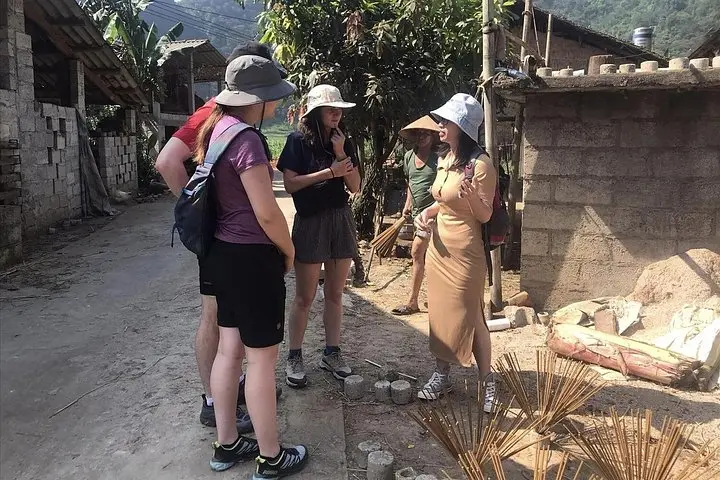
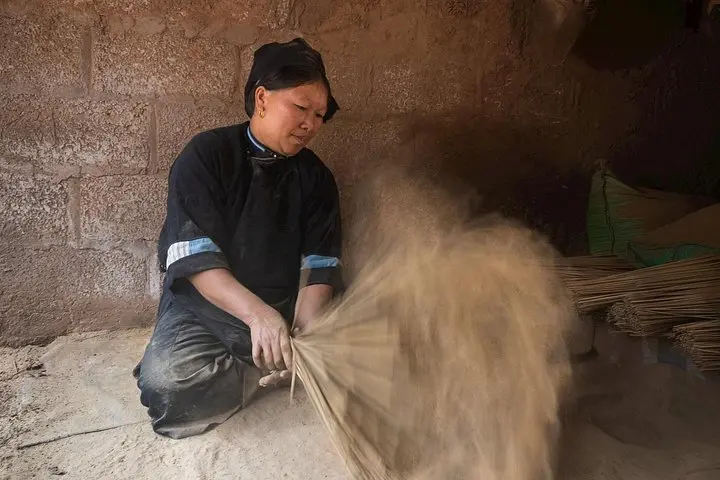
This three-day loop stitches together geology and history: karst towers carved by millennia of water, caves like Nguom Ngao with glittering stalactites, and Pac Bo—where Ho Chi Minh returned in 1941—anchoring modern Vietnamese history in a rugged landscape. Ethnic Tay and Nung communities populate the valleys; homestays and markets offer lacquered crafts, corn wine, and stories as practical currency.
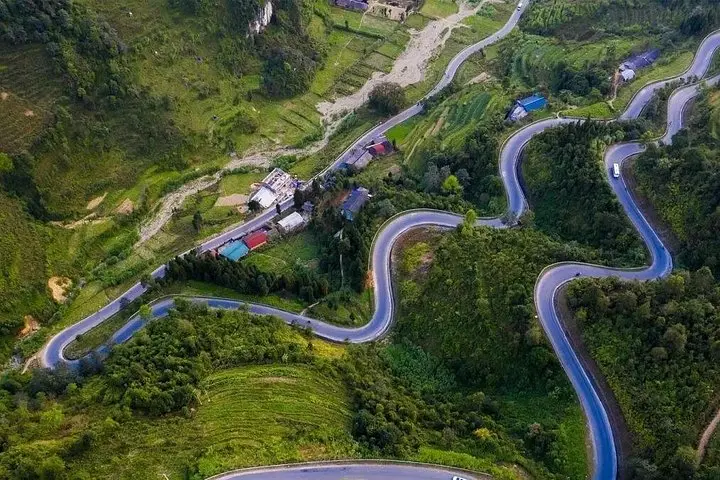
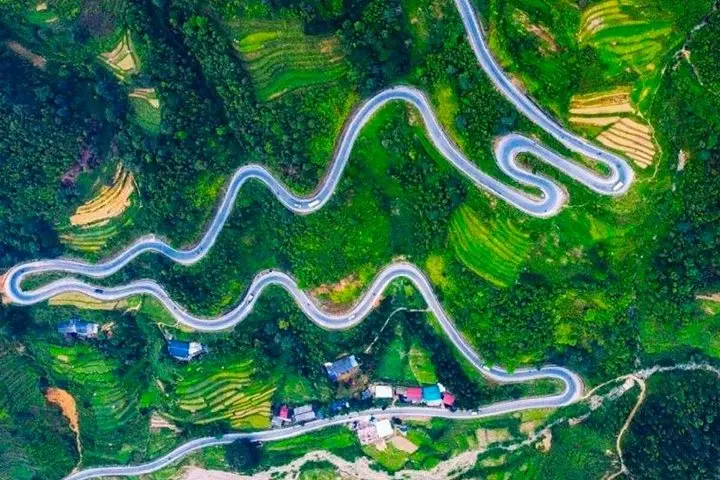
Expect a mix of easy walks, short viewpoints climbs, and long stretches riding winding mountain passes such as Me Pia’s 14 bends. Terrain is mostly paved or compact dirt; seasonal rain can turn tracks slippery and amplify the waterfalls.
Practical notes: pack a waterproof layer and solid shoes, bring Vietnamese dong and small bills for village purchases, and allow time for slow photo stops. Hydrate on the road—tap water in rural areas isn’t safe; use bottled or treated water. Homestays provide simple meals; let organizers know dietary needs ahead of time. Mornings are best for clarity and softer light; aim to be at Ban Gioc before noon to avoid peak crowds. Leave no trace: stick to paths at viewpoints and respect local customs when visiting family homes. The trip balances spectacle and cultural encounters—arrive curious and prepared.
Frequently asked questions
The tour includes sleeper-bus transfers between Hanoi and Cao Bang; expect an overnight departure and early-morning arrival in Cao Bang City.
Homestays are simple: shared rooms or dorm-style bedding, basic hot water and local meals—comfortable but rustic compared with hotels.
The trip is family-friendly but involves long road segments and some stairs; check mobility and health considerations before booking.
Ban Gioc lies on the Vietnam–China border on the Vietnamese side; standard Vietnam entry visa requirements apply—no special border permit is needed for day visits within Vietnamese territory.
About This Experience
Authenitc Travel DA NANG operates guided outdoor trips and adventures with an emphasis on safety, stewardship, and memorable experiences.
Adventure tips
Recommended gear
- Waterproof jacket: Protects against sudden rain and waterfall spray.
- Sturdy walking shoes: Provides traction on wet rocks, cave floors, and village trails.
- Daypack with water bladder: Carries water, layers, camera, and snacks during excursions.
- Insect repellent and sunscreen: Keeps insects and sun exposure at bay during daytime stops and river edges.
Photos of the experience
Related adventures & guides
Read the full experience
Dawn breaks over a fluted limestone skyline as the sleeper bus unwinds north from Hanoi. By mid-morning you’re threading narrow roads through forests of bamboo and terraces where roadside goats regard passing travelers with slow curiosity. Water thunders ahead—Ban Gioc appears in a wide, misted arc, the Quay Son River daring you closer as it tumbles in tiers between Vietnam and China.
Dawn breaks over a fluted limestone skyline as the sleeper bus unwinds north from Hanoi. By mid-morning you’re threading narrow roads through forests of bamboo and terraces where roadside goats regard passing travelers with slow curiosity. Water thunders ahead—Ban Gioc appears in a wide, misted arc, the Quay Son River daring you closer as it tumbles in tiers between Vietnam and China.
This three-day loop stitches together geology and history: karst towers carved by millennia of water, caves like Nguom Ngao with glittering stalactites, and Pac Bo—where Ho Chi Minh returned in 1941—anchoring modern Vietnamese history in a rugged landscape. Ethnic Tay and Nung communities populate the valleys; homestays and markets offer lacquered crafts, corn wine, and stories as practical currency.
Expect a mix of easy walks, short viewpoints climbs, and long stretches riding winding mountain passes such as Me Pia’s 14 bends. Terrain is mostly paved or compact dirt; seasonal rain can turn tracks slippery and amplify the waterfalls.
Practical notes: pack a waterproof layer and solid shoes, bring Vietnamese dong and small bills for village purchases, and allow time for slow photo stops. Hydrate on the road—tap water in rural areas isn’t safe; use bottled or treated water. Homestays provide simple meals; let organizers know dietary needs ahead of time. Mornings are best for clarity and softer light; aim to be at Ban Gioc before noon to avoid peak crowds. Leave no trace: stick to paths at viewpoints and respect local customs when visiting family homes. The trip balances spectacle and cultural encounters—arrive curious and prepared.
Make a day of it nearby.
Verified experiences and guided adventures in the surrounding area.