THE ADVENTURE COLLECTIVE® · Independent discovery and booking for outdoor travel

Three days through Cao Bang delivers dramatic karst ridgelines, misted cascades at Ban Gioc and intimate homestays with ethnic communities. Expect short hikes, cave visits and early starts to catch the best light and cooler air.
Three days through Cao Bang delivers dramatic karst ridgelines, misted cascades at Ban Gioc and intimate homestays with ethnic communities. Expect short hikes, cave visits and early starts to catch the best light and cooler air.
The minivan eases up winding tarmac at dawn and Cao Bang’s karst ridges push into the sky like stacked vertebrae. By night the sleeper bus deposits travelers into a quiet provincial town; by morning the air tastes of bamboo and river spray as the group moves toward waterfalls, caves and passes.
Verified experiences and guided adventures in the surrounding area.
Operated by Authentuc PU LUONG · Cao Bang City, Cao Bang
The minivan eases up winding tarmac at dawn and Cao Bang’s karst ridges push into the sky like stacked vertebrae. By night the sleeper bus deposits travelers into a quiet provincial town; by morning the air tastes of bamboo and river spray as the group moves toward waterfalls, caves and passes.
This three-day route threads regional history—Pac Bo cave and revolutionary sites—into a geological story of limestone towers carved by water over millennia. Ban Gioc Waterfall, the tour’s centerpiece, drops in broad steps along the Vietnam–China border, its currents daring you to stand close enough to feel the spray. Nearby Nguom Ngao cave reveals stalactites and chambers that record slow mineral time, while Me Pia Pass and the Eyes of the Gods summit offer panoramic views of layered karst, rice terraces and Tay and Nung villages whose cultures remain visible in house styles and markets.
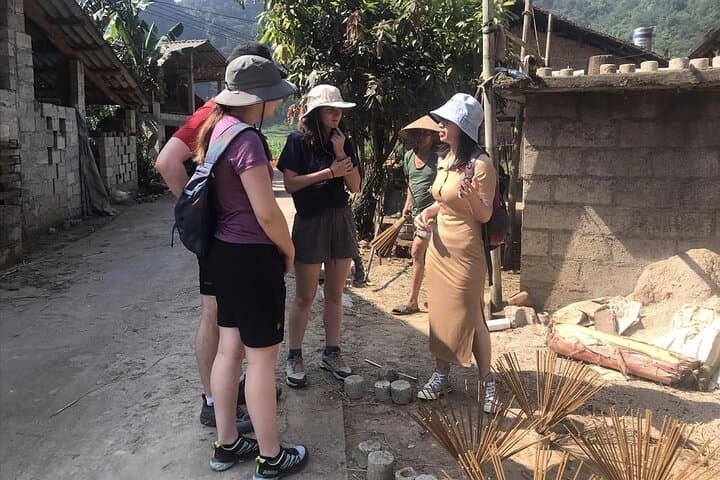
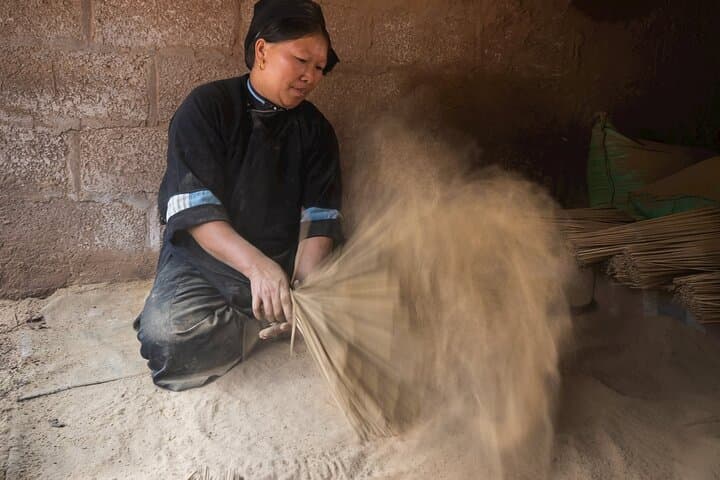
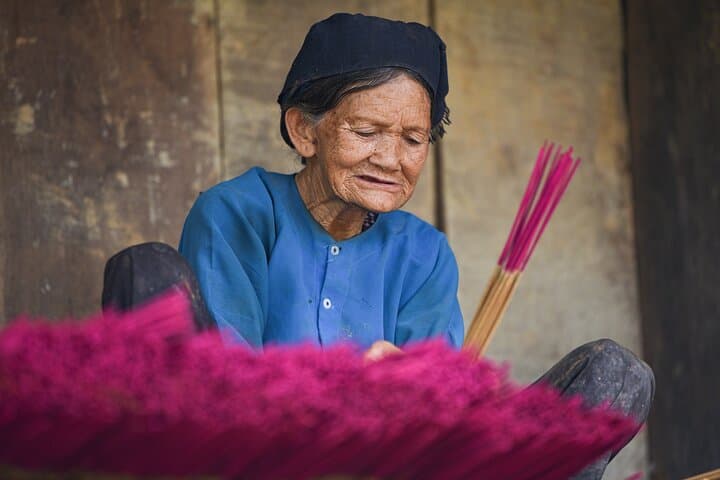
The trip balances cultural encounters—homestay hospitality, local markets, ethnic cuisine—with active exploration: short hikes, cave passages and roadside viewpoints. Expect mostly easy walks, vehicle transfers along narrow mountain roads, and a schedule that starts early to beat heat and crowds.
Practical guidance: bring sturdy walking shoes, a light rain shell, and a reusable water bottle; carry cash for entrance fees and market purchases. Pace your photos at Ban Gioc—light is best mid-morning—and allow extra time for road conditions. Respect private homestays and local customs; a small gift or polite greeting in the local language goes far. This itinerary suits travelers who want a compact introduction to Cao Bang’s wild landscapes and living cultures without heavy trekking.
moderate.
3 days.
Suitable for travelers with basic fitness: able to handle short hikes, stairs in caves, and multi-hour vehicle transfers.
Sleeper buses are basic but functional—expect narrow berths and light sleep; they’re a common local option for saving daytime travel hours.
Homestays typically offer private or small shared rooms depending on group size; amenities are simple and meals often family-style.
Yes—independent travel is possible but tours handle transport, guides and border-area logistics which simplifies timing and access.
Most travelers require a Vietnamese visa; if you plan to approach the international boundary, check current entry requirements and local regulations beforehand.
Cao Bang was a focal point during Vietnam’s revolutionary era—Pac Bo cave area is linked to early 20th-century movements and remains a cultural touchstone for national history.
Ban Gioc and surrounding ecosystems are sensitive: stay on marked paths, avoid single-use plastics, and support local guides and homestays to fund community conservation.
Authentuc PU LUONG operates guided outdoor trips and adventures with an emphasis on safety, stewardship, and memorable experiences.
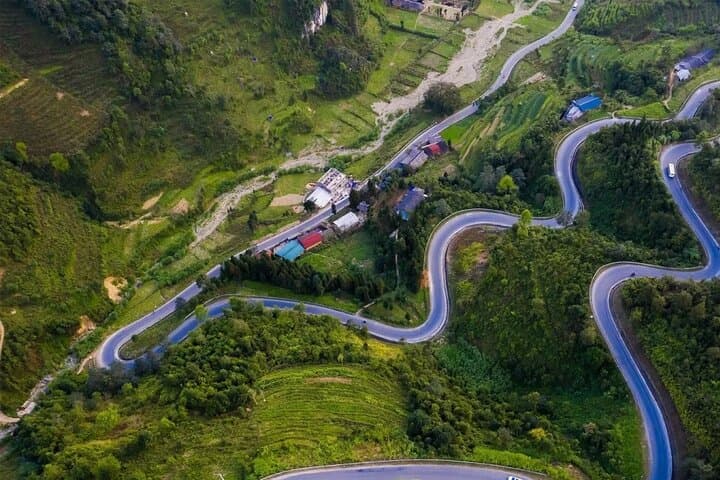
The minivan eases up winding tarmac at dawn and Cao Bang’s karst ridges push into the sky like stacked vertebrae. By night the sleeper bus deposits travelers into a quiet provincial town; by morning the air tastes of bamboo and river spray as the group moves toward waterfalls, caves and passes.
The minivan eases up winding tarmac at dawn and Cao Bang’s karst ridges push into the sky like stacked vertebrae. By night the sleeper bus deposits travelers into a quiet provincial town; by morning the air tastes of bamboo and river spray as the group moves toward waterfalls, caves and passes.
This three-day route threads regional history—Pac Bo cave and revolutionary sites—into a geological story of limestone towers carved by water over millennia. Ban Gioc Waterfall, the tour’s centerpiece, drops in broad steps along the Vietnam–China border, its currents daring you to stand close enough to feel the spray. Nearby Nguom Ngao cave reveals stalactites and chambers that record slow mineral time, while Me Pia Pass and the Eyes of the Gods summit offer panoramic views of layered karst, rice terraces and Tay and Nung villages whose cultures remain visible in house styles and markets.
The trip balances cultural encounters—homestay hospitality, local markets, ethnic cuisine—with active exploration: short hikes, cave passages and roadside viewpoints. Expect mostly easy walks, vehicle transfers along narrow mountain roads, and a schedule that starts early to beat heat and crowds.
Practical guidance: bring sturdy walking shoes, a light rain shell, and a reusable water bottle; carry cash for entrance fees and market purchases. Pace your photos at Ban Gioc—light is best mid-morning—and allow extra time for road conditions. Respect private homestays and local customs; a small gift or polite greeting in the local language goes far. This itinerary suits travelers who want a compact introduction to Cao Bang’s wild landscapes and living cultures without heavy trekking.