THE ADVENTURE COLLECTIVE® · Independent discovery and booking for outdoor travel

A three-day loop from Hanoi that pairs the thunder of Ban Gioc waterfall with cool cave chambers and revolutionary history at Pac Bo. Expect karst ridges, village homestays, and easy walking between major viewpoints.
A three-day loop from Hanoi that pairs the thunder of Ban Gioc waterfall with cool cave chambers and revolutionary history at Pac Bo. Expect karst ridges, village homestays, and easy walking between major viewpoints.
You step off the overnight coach into humid mountain air and the sound of water far before you see it—limestone ridges cut the sky like an old map and the Quây Sơn river dares you to follow its curve toward Ban Gioc.
Verified experiences and guided adventures in the surrounding area.
Operated by Authentic PHU QUOC · Cao Bang, Cao Bằng
You step off the overnight coach into humid mountain air and the sound of water far before you see it—limestone ridges cut the sky like an old map and the Quây Sơn river dares you to follow its curve toward Ban Gioc.
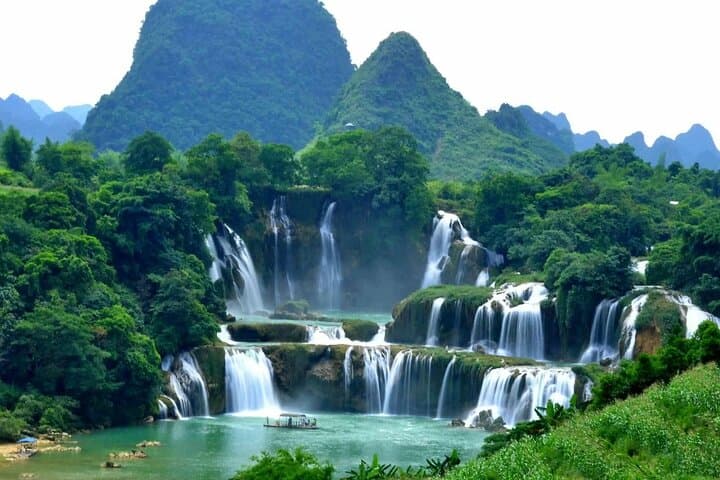
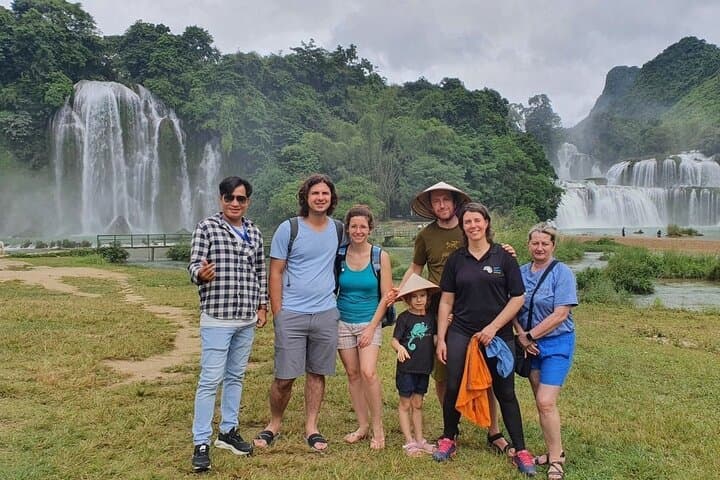
This three-day circuit threads history and karst: Pac Bo’s Lenin Stream and Coc Bo Cave where Ho Chi Minh once lived; the layered travertine and shelf-like falls at Thác Bản Giốc where river meets cliff; and Nguom Ngao’s cool, fossil-like chambers carved over millennia. Geology here is blunt and visible—towering carbonate peaks, sinkholes, and the eye-shaped depression of Angel Eye Mountain born of erosion and time.
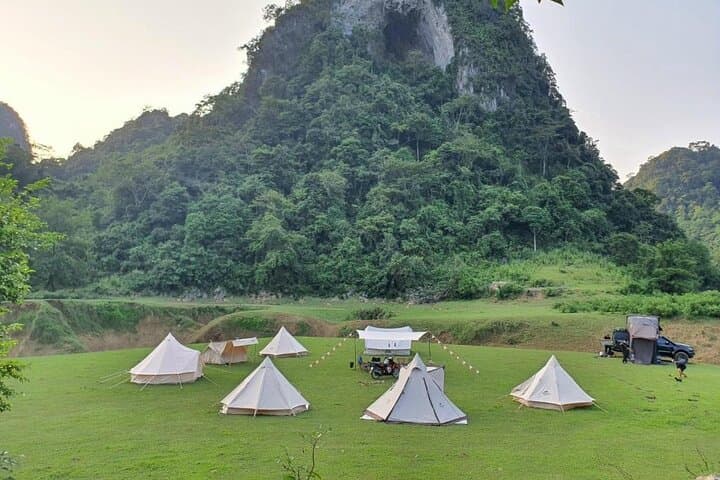
Culture is immediate. Tay and Nung villages line the valley, incense-scented workshops at Phia Thap work by hand, and homestays serve stepped plates of rice and mountain herbs. The landscape doesn’t just frame life; it shapes it—meadows that hold grazing water buffalo and rivers that stitch cross-border communities together.
Practical guidance: pack for mixed terrain—muddy trails, slick rocks at the waterfall, and cave pathways. Plan mornings for viewpoints (light is best and crowds thin) and afternoons for village visits. Hydrate; local lunches are filling but bring snacks for long coach stretches. Footwear with grip matters more than a pack with extra bells—the route favors steady footing over technical climbing. Finally, respect local rhythms: ask before photographing people, and leave no trace at sensitive riverbanks and cave formations.
moderate.
3 days (approx. 72 hours).
Suitable for travelers in general good health able to handle several short walks on uneven surfaces and a few stairs; no sustained technical endurance required.
Most tours include round-trip coach transfers from Hanoi Old Quarter; independent travelers can take scheduled buses or private car services (about 6–7 hours one way).
Yes—Ban Gioc is a popular, regulated tourist site; follow local signage and guide instructions, and avoid crossing the border without proper documentation.
Homestays are basic but clean and provide local meals and cultural exchange; the tour typically includes one hotel night and one homestay night. Expect simple facilities.
Yes—this itinerary is accessible for most fitness levels, with mainly short walks and viewpoints rather than long hikes; inform the operator of any mobility concerns.
Pac Bo is historically significant as the site where Ho Chi Minh returned to Vietnam and lived briefly; many sites in Cao Bang reflect revolutionary-era stories alongside ethnic minority traditions.
Ban Gioc and surrounding karst are sensitive to trampling and litter; stick to marked paths, avoid collecting geological specimens, and support local conservation-minded guides.
Authentic PHU QUOC operates guided outdoor trips and adventures with an emphasis on safety, stewardship, and memorable experiences.
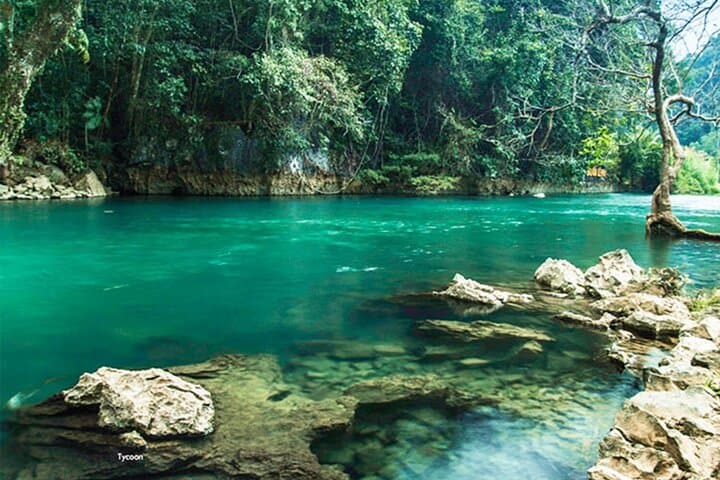
You step off the overnight coach into humid mountain air and the sound of water far before you see it—limestone ridges cut the sky like an old map and the Quây Sơn river dares you to follow its curve toward Ban Gioc.
You step off the overnight coach into humid mountain air and the sound of water far before you see it—limestone ridges cut the sky like an old map and the Quây Sơn river dares you to follow its curve toward Ban Gioc.
This three-day circuit threads history and karst: Pac Bo’s Lenin Stream and Coc Bo Cave where Ho Chi Minh once lived; the layered travertine and shelf-like falls at Thác Bản Giốc where river meets cliff; and Nguom Ngao’s cool, fossil-like chambers carved over millennia. Geology here is blunt and visible—towering carbonate peaks, sinkholes, and the eye-shaped depression of Angel Eye Mountain born of erosion and time.
Culture is immediate. Tay and Nung villages line the valley, incense-scented workshops at Phia Thap work by hand, and homestays serve stepped plates of rice and mountain herbs. The landscape doesn’t just frame life; it shapes it—meadows that hold grazing water buffalo and rivers that stitch cross-border communities together.
Practical guidance: pack for mixed terrain—muddy trails, slick rocks at the waterfall, and cave pathways. Plan mornings for viewpoints (light is best and crowds thin) and afternoons for village visits. Hydrate; local lunches are filling but bring snacks for long coach stretches. Footwear with grip matters more than a pack with extra bells—the route favors steady footing over technical climbing. Finally, respect local rhythms: ask before photographing people, and leave no trace at sensitive riverbanks and cave formations.