THE ADVENTURE COLLECTIVE® · Independent discovery and booking for outdoor travel

Three days of karst lakes, cross-border waterfalls and homestay hospitality — this tour pairs calm boat rides on Ba Be with the thunder of Ban Gioc. Expect caves, village visits and easy walks with big photo moments.
Three days of karst lakes, cross-border waterfalls and homestay hospitality — this tour pairs calm boat rides on Ba Be with the thunder of Ban Gioc. Expect caves, village visits and easy walks with big photo moments.
Dawn lifts the mist off Ba Be Lake and the long wooden boat slips forward as if on a mission. Limestone towers loom, their faces streaked with water and forest; the Nang River threads through like a ribbon daring you to follow. By afternoon the roar of Ban Gioc Waterfall arrives—white curtains of water breaking against mossy steps shared between Vietnam and China.
Verified experiences and guided adventures in the surrounding area.
Operated by Crossing Vietnam Tour · Cao Bang, Cao Bang
Dawn lifts the mist off Ba Be Lake and the long wooden boat slips forward as if on a mission. Limestone towers loom, their faces streaked with water and forest; the Nang River threads through like a ribbon daring you to follow. By afternoon the roar of Ban Gioc Waterfall arrives—white curtains of water breaking against mossy steps shared between Vietnam and China.
This three-day circuit stitches together geology, history and culture. Ba Be is carved by karst limestone and river erosion; its grottoes and islands formed over millennia as water gnawed passages underground. Ban Gioc’s tiered falls spill from a narrow canyon where borderland geopolitics and centuries of trade shaped local communities. The Tay and Nung peoples still farm the terraces, forge tools, and host visitors in homestays that preserve traditional timber construction and communal meals.
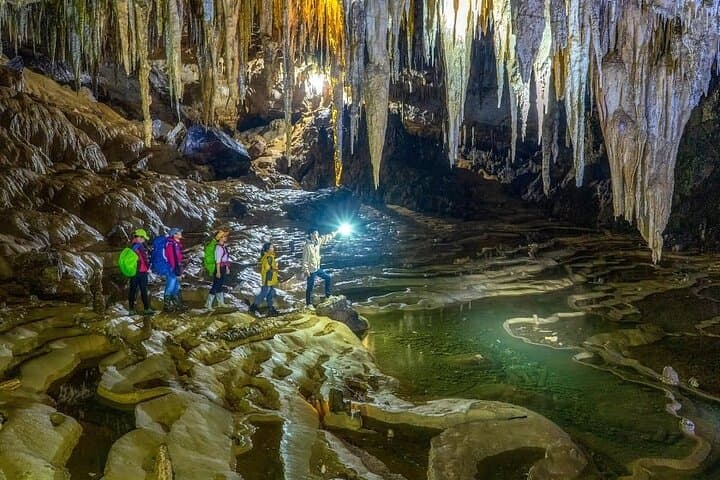
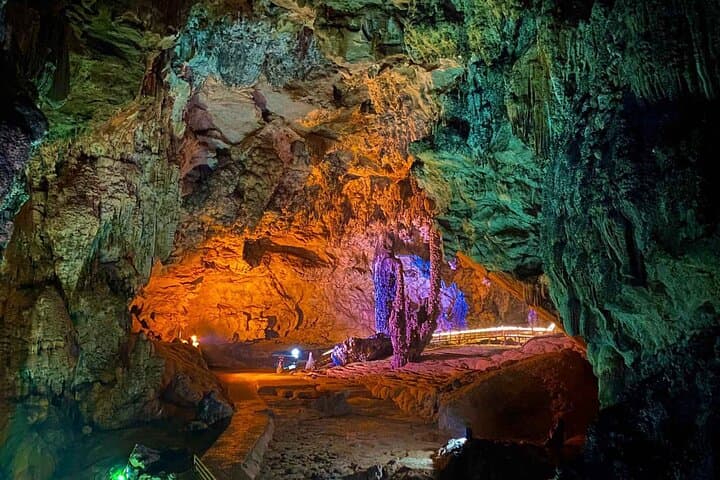
Expect a mix of easy walking, boat time, short cave climbs and rural roads connecting homestays. Highlights include a guided boat across Ba Be, Puong Grotto’s stalactites and a walk to Ban Gioc’s viewpoints. Nights are simple—family-run homestays with shared facilities and home-cooked meals.
Practical notes: travel light, bring a waterproof layer and sturdy shoes for slippery cave steps, and carry local currency for small purchases. Sunrise and late afternoon produce the best light for photos and cooler temperatures for trekking. Respect homestay customs, minimize plastic waste, and follow guides’ safety advice near the waterfall and river currents.
moderate.
3 days.
Suitable for travelers in average fitness who can manage short hikes, boat rides and basic homestay conditions.
The tour includes specified meals, accommodation and entrance fees listed in the itinerary; check the booking page for details on what’s covered each day.
The itinerary is described as physically easy; however, cave steps, boat balance and long vehicle transfers may be challenging for very young children or travelers with mobility limits.
Yes, swimming is possible in calm areas of the lake but follow your guide’s instructions regarding safe spots and avoid strong currents near inlets.
Carry your passport—border areas are visited and guides may request ID; keep it secure during travel.
The region’s borderland history includes historic passes like Chi Lang and twentieth-century battles around Dong Khe; ethnic Tay and Nung communities have farmed here for centuries.
Ba Be is a protected national park—stick to marked paths, avoid single-use plastics, and support homestays that practice respectful land use to minimize impact.
Crossing Vietnam Tour operates guided outdoor trips and adventures with an emphasis on safety, stewardship, and memorable experiences.
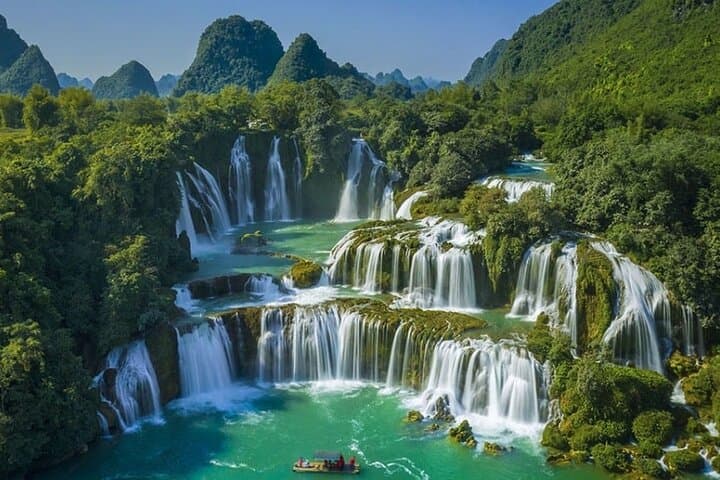
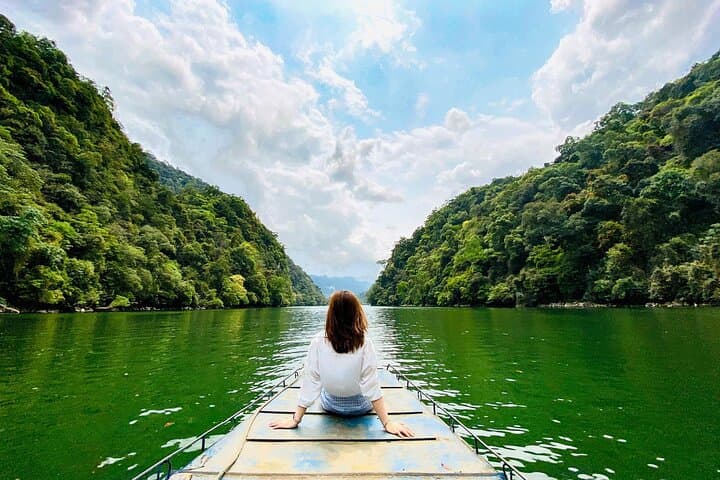
Dawn lifts the mist off Ba Be Lake and the long wooden boat slips forward as if on a mission. Limestone towers loom, their faces streaked with water and forest; the Nang River threads through like a ribbon daring you to follow. By afternoon the roar of Ban Gioc Waterfall arrives—white curtains of water breaking against mossy steps shared between Vietnam and China.
Dawn lifts the mist off Ba Be Lake and the long wooden boat slips forward as if on a mission. Limestone towers loom, their faces streaked with water and forest; the Nang River threads through like a ribbon daring you to follow. By afternoon the roar of Ban Gioc Waterfall arrives—white curtains of water breaking against mossy steps shared between Vietnam and China.
This three-day circuit stitches together geology, history and culture. Ba Be is carved by karst limestone and river erosion; its grottoes and islands formed over millennia as water gnawed passages underground. Ban Gioc’s tiered falls spill from a narrow canyon where borderland geopolitics and centuries of trade shaped local communities. The Tay and Nung peoples still farm the terraces, forge tools, and host visitors in homestays that preserve traditional timber construction and communal meals.
Expect a mix of easy walking, boat time, short cave climbs and rural roads connecting homestays. Highlights include a guided boat across Ba Be, Puong Grotto’s stalactites and a walk to Ban Gioc’s viewpoints. Nights are simple—family-run homestays with shared facilities and home-cooked meals.
Practical notes: travel light, bring a waterproof layer and sturdy shoes for slippery cave steps, and carry local currency for small purchases. Sunrise and late afternoon produce the best light for photos and cooler temperatures for trekking. Respect homestay customs, minimize plastic waste, and follow guides’ safety advice near the waterfall and river currents.