THE ADVENTURE COLLECTIVE® · Independent discovery and booking for outdoor travel

A compact, two-day loop from Hanoi that reaches Ban Gioc Waterfall, Nguom Ngao Cave and Ma Phuc Pass by overnight sleeper bus. Expect karst cliffs, rural homestays and early-morning vistas over winding border rivers.
A compact, two-day loop from Hanoi that reaches Ban Gioc Waterfall, Nguom Ngao Cave and Ma Phuc Pass by overnight sleeper bus. Expect karst cliffs, rural homestays and early-morning vistas over winding border rivers.
The minivan hums away from Hanoi under a sky smeared with highway lights; by midnight the sleeper bus takes over, and the mountains rise like a dark promise. At dawn the bus lets you off in Cao Bang and, after coffee and a few hours of sleep in a simple hostel, the road unfurls: switchback passes, limestone teeth, rivers that dare you to slow down.
Verified experiences and guided adventures in the surrounding area.
Operated by Local Tours HALONG · Cao Bang, Cao Bang Province
The minivan hums away from Hanoi under a sky smeared with highway lights; by midnight the sleeper bus takes over, and the mountains rise like a dark promise. At dawn the bus lets you off in Cao Bang and, after coffee and a few hours of sleep in a simple hostel, the road unfurls: switchback passes, limestone teeth, rivers that dare you to slow down.
Cao Bang sits on the edge of the Yunnan–Vietnam karst belt, where uplifted limestone has been carved into cliffs, caves and waterfalls over millions of years. Ban Gioc Waterfall—wide, thunderous and shared by two countries—drops over tiered travertine ledges while Quay Son River winds the border below. The human landscape is equally textured: Tay and Nung communities practice incense-making, hill rice cultivation, and homestay hospitality that preserves old rhythms.
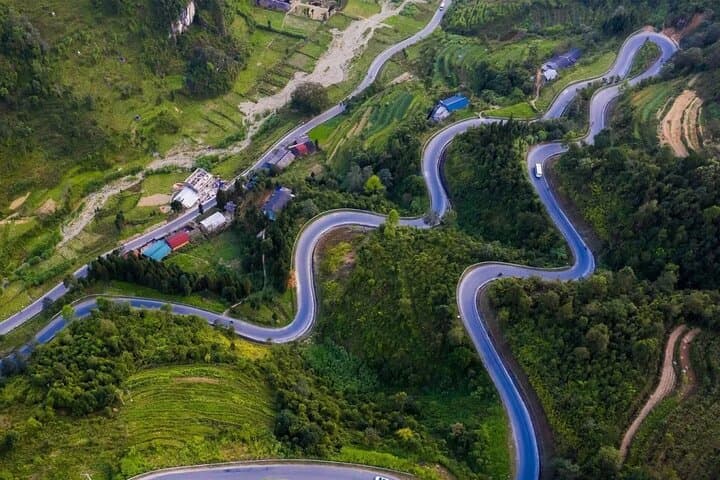
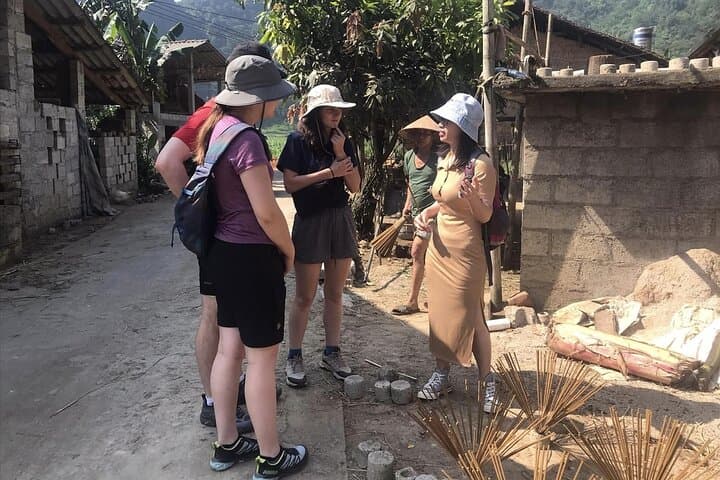
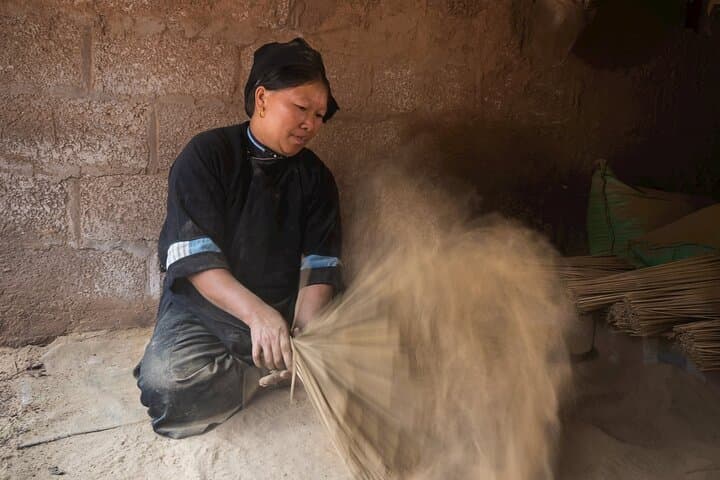
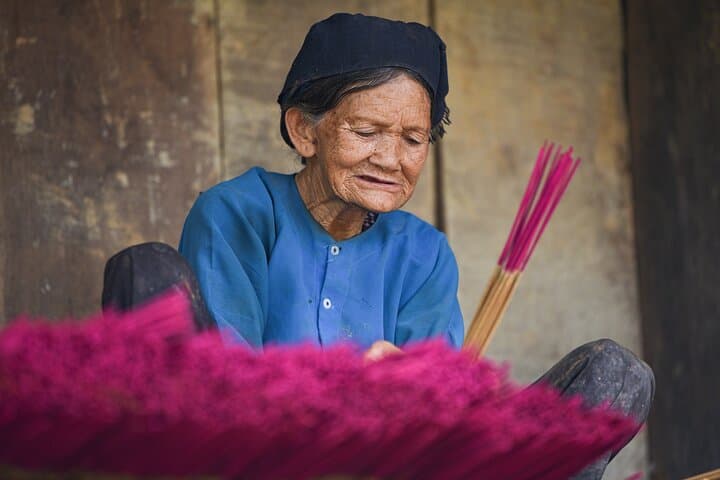
Over two days the tour stitches together geology and culture: Ma Phuc Pass’s narrow spine of road, the incense workshops of Phia Thap, the cathedral-like chambers of Nguom Ngao Cave and the open grass hills of Vinh Quy. Expect early starts, short walks, and a homestay night where wood fires and local food set the tempo.
Practical guidance: the itinerary is physically easy but includes long transfers and rough local roads; pack warm layers for early mornings, a rain jacket for sudden mountain showers and cash for small purchases in villages. Dress respectfully at pagodas and when visiting families. Travel light, keep a headlamp handy, and give yourself time to savor viewpoints—the landscape rewards patience.
easy.
2 days (overnight).
Suitable for travelers in general good health; involves short walks and long vehicle transfers, not strenuous hiking
Pick-up is in Hanoi Old Quarter with an overnight sleeper bus to Cao Bang and return to Hanoi on day two, ending at the Old Quarter drop-off.
No—the itinerary is rated easy with short walks and viewpoints; however, there are long road transfers and some uneven surfaces.
Yes—entrance fees for Nguom Ngao Cave and Ban Gioc Waterfall plus the listed breakfasts, lunches and dinners are included on the itinerary.
Yes—advance notice is requested and the operator can prepare vegetarian meals at homestays and restaurants.
Cao Bang has long been a frontier region where trade and cultural exchange flowed between Vietnamese highland groups and neighboring China; many local legends reference border rivers and mountain passes.
Visitor pressure is light but growing—stick to marked paths, avoid single-use plastics and respect homestay waste practices to help fragile karst and river habitats.
Local Tours HALONG operates guided outdoor trips and adventures with an emphasis on safety, stewardship, and memorable experiences.
The minivan hums away from Hanoi under a sky smeared with highway lights; by midnight the sleeper bus takes over, and the mountains rise like a dark promise. At dawn the bus lets you off in Cao Bang and, after coffee and a few hours of sleep in a simple hostel, the road unfurls: switchback passes, limestone teeth, rivers that dare you to slow down.
The minivan hums away from Hanoi under a sky smeared with highway lights; by midnight the sleeper bus takes over, and the mountains rise like a dark promise. At dawn the bus lets you off in Cao Bang and, after coffee and a few hours of sleep in a simple hostel, the road unfurls: switchback passes, limestone teeth, rivers that dare you to slow down.
Cao Bang sits on the edge of the Yunnan–Vietnam karst belt, where uplifted limestone has been carved into cliffs, caves and waterfalls over millions of years. Ban Gioc Waterfall—wide, thunderous and shared by two countries—drops over tiered travertine ledges while Quay Son River winds the border below. The human landscape is equally textured: Tay and Nung communities practice incense-making, hill rice cultivation, and homestay hospitality that preserves old rhythms.
Over two days the tour stitches together geology and culture: Ma Phuc Pass’s narrow spine of road, the incense workshops of Phia Thap, the cathedral-like chambers of Nguom Ngao Cave and the open grass hills of Vinh Quy. Expect early starts, short walks, and a homestay night where wood fires and local food set the tempo.
Practical guidance: the itinerary is physically easy but includes long transfers and rough local roads; pack warm layers for early mornings, a rain jacket for sudden mountain showers and cash for small purchases in villages. Dress respectfully at pagodas and when visiting families. Travel light, keep a headlamp handy, and give yourself time to savor viewpoints—the landscape rewards patience.