THE ADVENTURE COLLECTIVE® · Independent discovery and booking for outdoor travel

A compact two-day loop through Cao Bang that pairs the thunder of Ban Gioc Waterfall with the draped chambers of Nguom Ngao Cave and nights in a riverside homestay. Perfect for travelers who want dramatic karst scenery and direct contact with local culture on a short schedule.
A compact two-day loop through Cao Bang that pairs the thunder of Ban Gioc Waterfall with the draped chambers of Nguom Ngao Cave and nights in a riverside homestay. Perfect for travelers who want dramatic karst scenery and direct contact with local culture on a short schedule.
Dawn arrives over limestone teeth and the sleeper bus lets out its last passengers into a cool Cao Bang morning. You step down, stretch, and the mountains seem to eye you back — sheer karst walls, terraces of rice and a river that threads the valleys like a bright ribbon daring you to follow.
Verified experiences and guided adventures in the surrounding area.
Operated by Local Tours SAPA · Cao Bang, Cao Bang Province
Dawn arrives over limestone teeth and the sleeper bus lets out its last passengers into a cool Cao Bang morning. You step down, stretch, and the mountains seem to eye you back — sheer karst walls, terraces of rice and a river that threads the valleys like a bright ribbon daring you to follow.
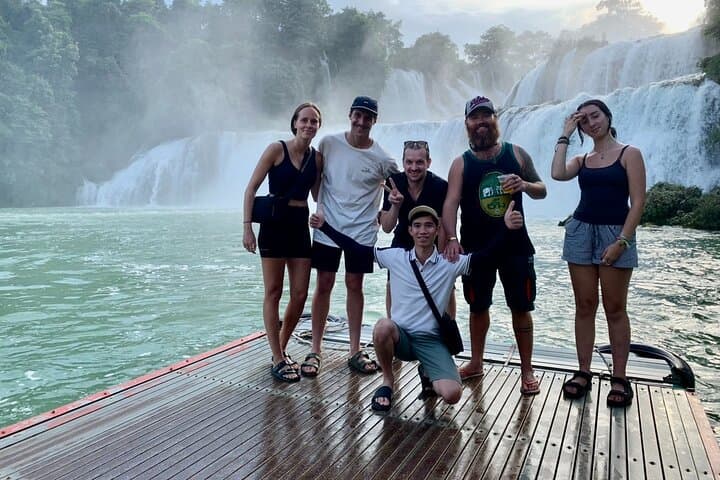
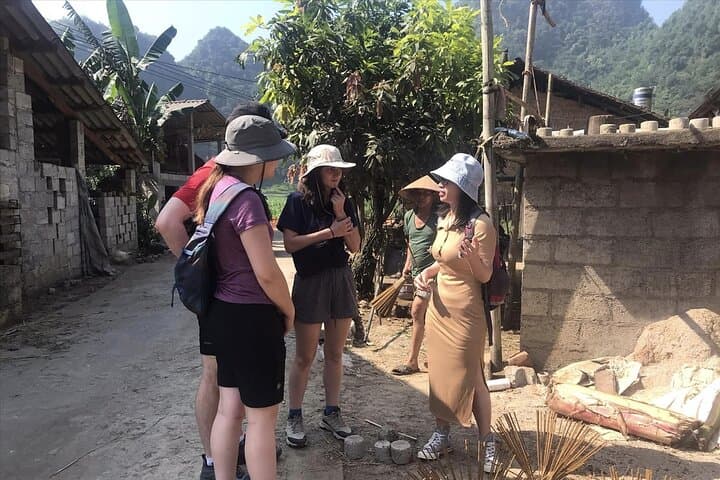
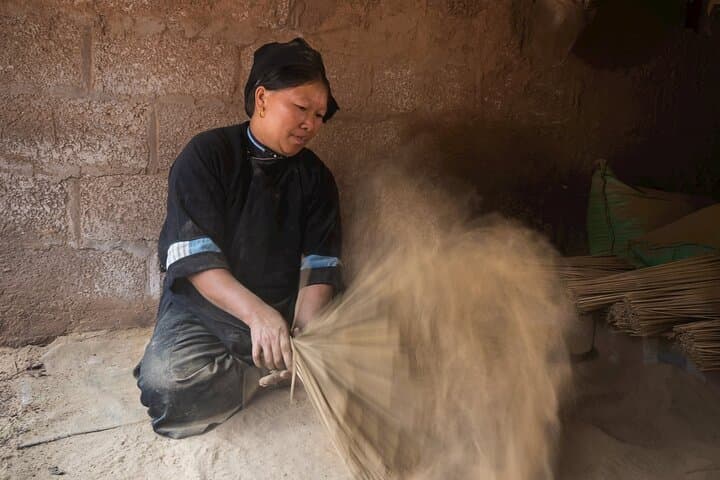
Over two days the route moves from winding passes and small craft villages to the thunder of Ban Gioc Waterfall and the hush inside Nguom Ngao Cave. Geologically the region is classic tropical karst: soluble limestone carved by millennia of water, producing caves, natural arches and steep escarpments. Historically this borderland has been shaped by Tay, Nung and other ethnic groups; villages and handicrafts such as Phia Thap’s incense-making are living links to that past.
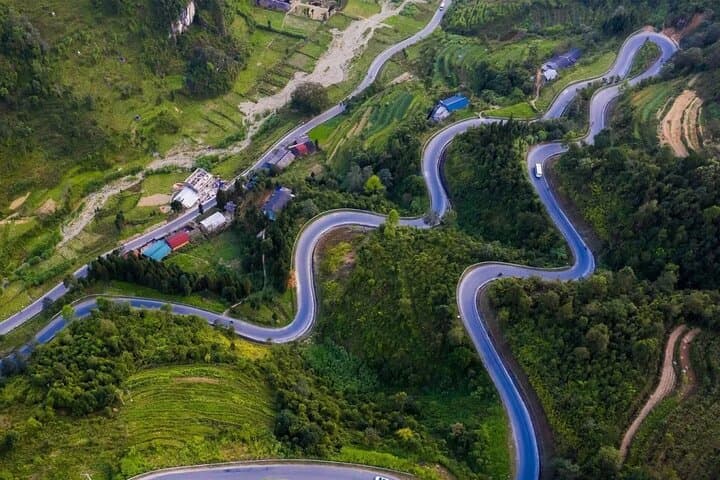
Culturally the trip balances easy road travel with short walks and homestay evenings — an opportunity to observe traditional house styles, local meals and riverside life. Expect clear river pools, mossy cave chambers and a panorama at Ma Phuc Pass where the road clings to rock.
Practical guidance: travel is primarily by minivan and short on-stride hikes; bring a lightweight rain jacket, sturdy walking shoes and cash for small purchases. Aim for early starts to avoid midday humidity and carry water for walks to viewpoints. Respect homestay etiquette — remove shoes, ask before photographing people, and compost or pack out waste where bins are limited.
This loop is straightforward, sensory and rooted in landscape — a compact northern Vietnam escape that pairs dramatic natural features with small-community experiences.
easy.
2 days.
Suitable for most fitness levels; requires short walks (10–30 minutes) and ability to climb steps and board a sleeper bus.
The tour is low-impact: most travel is by vehicle with short walks to viewpoints, cave entrances and falls; basic mobility is sufficient.
Sleeper buses in Vietnam offer reclining berths for overnight travel; expect basic shared sleeping arrangements and limited personal space.
Lunches, breakfasts, one dinner and all stated entrance fees (Nguom Ngao Cave, Ban Gioc) are included; check for dietary requests in advance.
Autumn and spring offer cooler, drier conditions and clearer views; summer brings fuller waterfalls but also more rain.
Cao Bang sits on historic borderlands where Tay and Nung communities have farmed and traded for centuries; the area’s villages preserve traditional crafts and oral histories tied to the landscape.
Karst systems and rivers here are sensitive to erosion and litter; minimize plastic use, follow marked paths and support local guides to ensure tourism benefits communities.
Local Tours SAPA operates guided outdoor trips and adventures with an emphasis on safety, stewardship, and memorable experiences.
Dawn arrives over limestone teeth and the sleeper bus lets out its last passengers into a cool Cao Bang morning. You step down, stretch, and the mountains seem to eye you back — sheer karst walls, terraces of rice and a river that threads the valleys like a bright ribbon daring you to follow.
Dawn arrives over limestone teeth and the sleeper bus lets out its last passengers into a cool Cao Bang morning. You step down, stretch, and the mountains seem to eye you back — sheer karst walls, terraces of rice and a river that threads the valleys like a bright ribbon daring you to follow.
Over two days the route moves from winding passes and small craft villages to the thunder of Ban Gioc Waterfall and the hush inside Nguom Ngao Cave. Geologically the region is classic tropical karst: soluble limestone carved by millennia of water, producing caves, natural arches and steep escarpments. Historically this borderland has been shaped by Tay, Nung and other ethnic groups; villages and handicrafts such as Phia Thap’s incense-making are living links to that past.
Culturally the trip balances easy road travel with short walks and homestay evenings — an opportunity to observe traditional house styles, local meals and riverside life. Expect clear river pools, mossy cave chambers and a panorama at Ma Phuc Pass where the road clings to rock.
Practical guidance: travel is primarily by minivan and short on-stride hikes; bring a lightweight rain jacket, sturdy walking shoes and cash for small purchases. Aim for early starts to avoid midday humidity and carry water for walks to viewpoints. Respect homestay etiquette — remove shoes, ask before photographing people, and compost or pack out waste where bins are limited.
This loop is straightforward, sensory and rooted in landscape — a compact northern Vietnam escape that pairs dramatic natural features with small-community experiences.