THE ADVENTURE COLLECTIVE® · Independent discovery and booking for outdoor travel

A six‑hour day that pairs a catamaran through the Sil canyon with guided winery tasting and panoramic stops above Monforte de Lemos. Read on for what to expect, practical tips, and seasonal considerations for visiting Ribeira Sacra from Lugo.
A six‑hour day that pairs a catamaran through the Sil canyon with guided winery tasting and panoramic stops above Monforte de Lemos. Read on for what to expect, practical tips, and seasonal considerations for visiting Ribeira Sacra from Lugo.
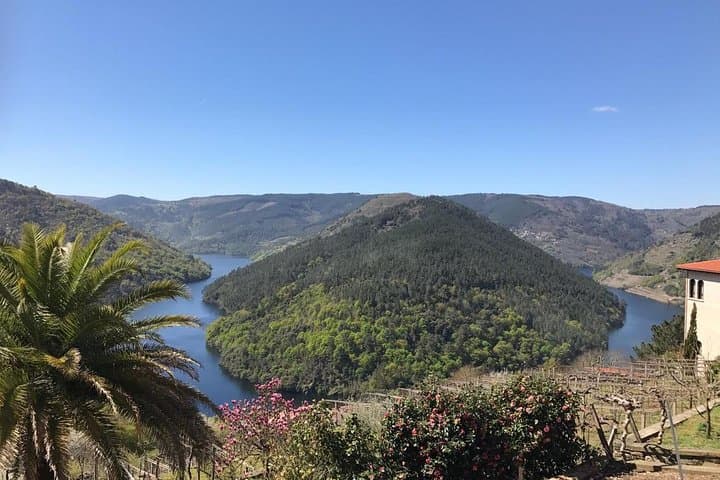
Early morning mist lifts off the Miño as the minivan leaves Lugo and the road narrows into chestnut and granite country. By the time you crest toward the Sil, cliffs split open and the river has carved a canyon so steep a catamaran seems almost too small—an intimate ribbon that threads terraces and monasteries.
Verified experiences and guided adventures in the surrounding area.
Operated by SINTE LUGO · Monforte de Lemos, Galicia
Early morning mist lifts off the Miño as the minivan leaves Lugo and the road narrows into chestnut and granite country. By the time you crest toward the Sil, cliffs split open and the river has carved a canyon so steep a catamaran seems almost too small—an intimate ribbon that threads terraces and monasteries.
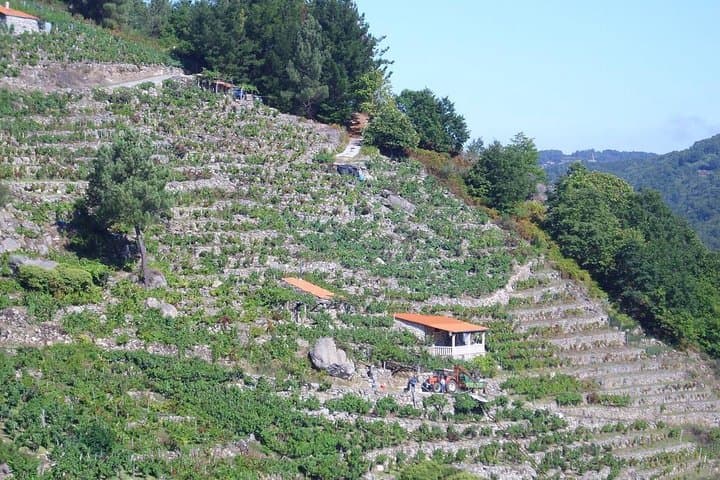
The Ribeira Sacra earned its name in the 12th century as Cistercian monks settled these folds. Stone terraces, built by hand over generations, cling to schist slopes and force vines to grow in tight, concentrated pockets; the result is Mencía and Godello that taste of rock and river. Geologically the Sil has cut deep through Paleozoic schists and slates, creating amphitheaters of cliff and patchwork exposures that define local microclimates.
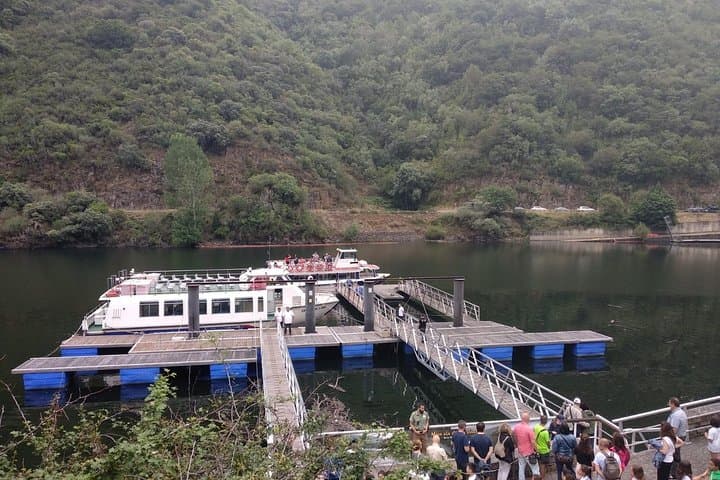
Culture here balances monastic silence and small‑scale viticulture. A typical day tour stitches the experience together: a short panoramic stop above Monforte de Lemos, a 90–120 minute catamaran through the canyon for close geological reading, then a guided bodega visit and tasting. Expect modest walking at viewpoints and the winery—nothing technical, but uneven ground and steps are common.
Practical guidance: wear sturdy shoes, carry sun protection and a light layer for river breezes. Onboard shade is limited; position yourself for light when photographing. Roads are narrow and time allowances can be tight—plan for a full six‑hour day. The trip is accessible and richly textured by history, geology, and wine—an efficient way to read the landscape and taste its labor.
easy.
6 hours.
Suitable for most fitness levels; requires short walks on uneven ground and standing during the catamaran segment.
The catamaran cruise through the Sil canyon typically lasts 90–120 minutes depending on the itinerary and river conditions.
Yes — the tour includes a guided tour of a local winery and a tasting of Ribeira Sacra wines such as Mencía and Godello.
Yes — the trip is family‑friendly with stroller access and infant seats available, but expect some short walks and steps at viewpoints.
Guides are commonly bilingual (Spanish and English) on these tours, but confirm language options when booking.
From the 12th century Cistercian monasteries shaped settlement and terracing; the river has long been central to transport and local economy.
Terraced vineyards are vulnerable to erosion and depopulation; support small wineries and follow leave‑no‑trace practices to limit impact.
SINTE LUGO operates guided outdoor trips and adventures with an emphasis on safety, stewardship, and memorable experiences.
Early morning mist lifts off the Miño as the minivan leaves Lugo and the road narrows into chestnut and granite country. By the time you crest toward the Sil, cliffs split open and the river has carved a canyon so steep a catamaran seems almost too small—an intimate ribbon that threads terraces and monasteries.
Early morning mist lifts off the Miño as the minivan leaves Lugo and the road narrows into chestnut and granite country. By the time you crest toward the Sil, cliffs split open and the river has carved a canyon so steep a catamaran seems almost too small—an intimate ribbon that threads terraces and monasteries.
The Ribeira Sacra earned its name in the 12th century as Cistercian monks settled these folds. Stone terraces, built by hand over generations, cling to schist slopes and force vines to grow in tight, concentrated pockets; the result is Mencía and Godello that taste of rock and river. Geologically the Sil has cut deep through Paleozoic schists and slates, creating amphitheaters of cliff and patchwork exposures that define local microclimates.
Culture here balances monastic silence and small‑scale viticulture. A typical day tour stitches the experience together: a short panoramic stop above Monforte de Lemos, a 90–120 minute catamaran through the canyon for close geological reading, then a guided bodega visit and tasting. Expect modest walking at viewpoints and the winery—nothing technical, but uneven ground and steps are common.
Practical guidance: wear sturdy shoes, carry sun protection and a light layer for river breezes. Onboard shade is limited; position yourself for light when photographing. Roads are narrow and time allowances can be tight—plan for a full six‑hour day. The trip is accessible and richly textured by history, geology, and wine—an efficient way to read the landscape and taste its labor.