THE ADVENTURE COLLECTIVE® · Independent discovery and booking for outdoor travel

Rappel through cave mouths and descend a 60 m waterfall on this intermediate canyoning route in Caldera near Boquete. Expect swims, jumps, a ferrata exit and a full-day adrenaline rush with local transport and lunch included.
Rappel through cave mouths and descend a 60 m waterfall on this intermediate canyoning route in Caldera near Boquete. Expect swims, jumps, a ferrata exit and a full-day adrenaline rush with local transport and lunch included.
You step out of an air-conditioned van onto warm volcanic stone and hear water carving the canyon ahead — a steady, eager voice that dares you forward. Vegetation hangs heavy from steep walls, and the first shimmer of a vertical drop comes into view: ropes, harnesses and a thin ribbon of spray where the Agua Viva waterfall will demand your attention.
Verified experiences and guided adventures in the surrounding area.
Operated by C4JUMP · Boquete, Chiriquí
You step out of an air-conditioned van onto warm volcanic stone and hear water carving the canyon ahead — a steady, eager voice that dares you forward. Vegetation hangs heavy from steep walls, and the first shimmer of a vertical drop comes into view: ropes, harnesses and a thin ribbon of spray where the Agua Viva waterfall will demand your attention.
The Caldera canyon system sits on the western slopes of Volcán Barú, where recent volcanic flows and ancient rivers have cut basalt and andesitic rock into cliffs and plunge pools. Local communities in Boquete and the surrounding Chiriquí highlands have long used these streams for irrigation and as informal natural playspaces; more recently guided canyoning has opened access while emphasizing safety and respect for fragile pools and cave sections.
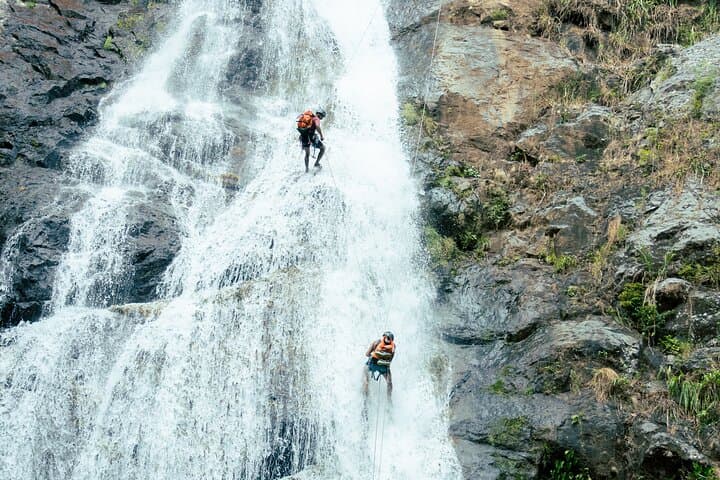
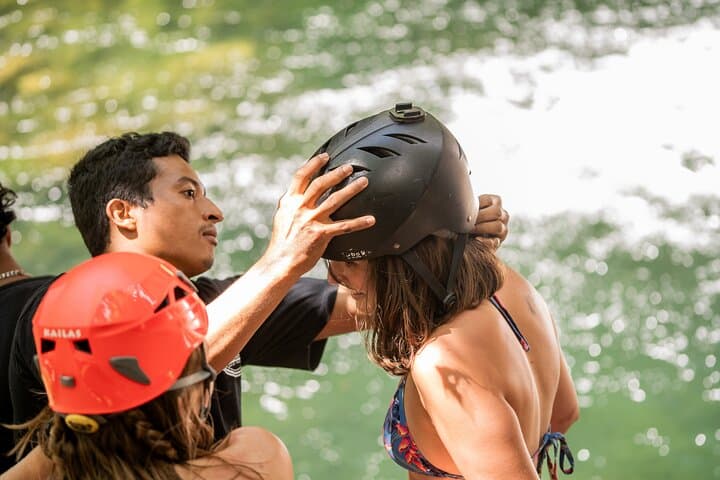
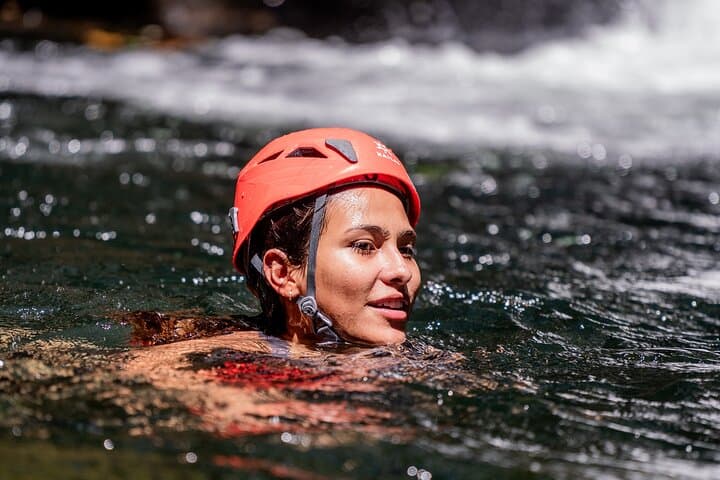
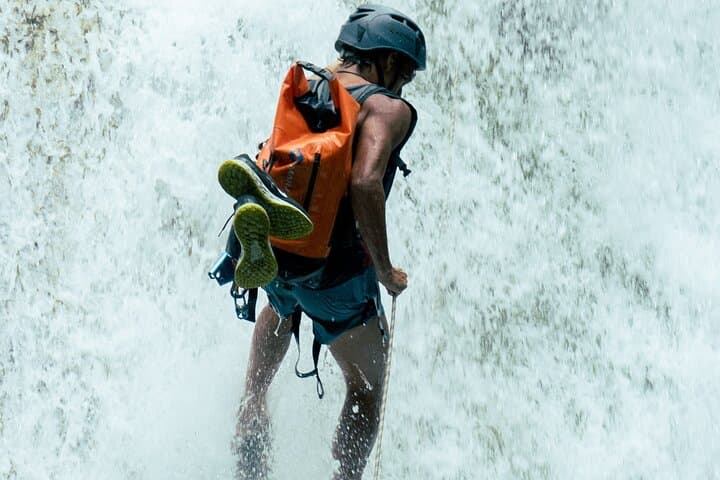
Expect a full-day intermediate route: several abseils (one ~20 m, another multi-pitch ~60 m through a curtain of water), swims in clear plunge pools, controlled jumps, and a via ferrata-style exit that requires balance and attention. Guides provide helmets, harnesses and technical gear; transport and lunch are typically included.
Practical tips: arrive hydrated, wear sturdy closed-toe water shoes with good grip, and bring a small waterproof bag for essentials. The route is best on dry/light-rain days — heavy rain raises flow and can close the canyon. Fitness: solid cardiovascular conditioning and comfort with exposure and ropework. If it’s your first canyon, communicate experience level to guides; intermediate routes move steadily and require active participation. Finish with a local Panamanian meal and the kind of tired grin only a canyon day can earn.
challenging.
8 hours.
Good aerobic fitness and leg strength; comfortable with prolonged exposure, swimming, and repeated rappelling.
This is labelled intermediate — prior rappelling or canyoning experience is helpful but not strictly required; guides will train basic techniques before exposure to large rappels.
You should have moderate-to-strong fitness: stable balance, leg strength for climbs, and comfort swimming in natural pools.
Yes — helmets, harnesses, ropes and guide instruction are included; the operator also typically provides transport and lunch.
Age and weight restrictions vary; operators usually set minimum age limits and require parental discretion—check booking questions for specific limits.
The Caldera watershed is carved from volcanic deposits related to Volcán Barú; local highland communities historically used these streams for coffee and small-scale agriculture.
Operators generally limit group sizes and emphasize leave-no-trace practices to protect plunge pools and native vegetation; avoid soaps and any pollutants in the water.
C4JUMP operates guided outdoor trips and adventures with an emphasis on safety, stewardship, and memorable experiences.
You step out of an air-conditioned van onto warm volcanic stone and hear water carving the canyon ahead — a steady, eager voice that dares you forward. Vegetation hangs heavy from steep walls, and the first shimmer of a vertical drop comes into view: ropes, harnesses and a thin ribbon of spray where the Agua Viva waterfall will demand your attention.
You step out of an air-conditioned van onto warm volcanic stone and hear water carving the canyon ahead — a steady, eager voice that dares you forward. Vegetation hangs heavy from steep walls, and the first shimmer of a vertical drop comes into view: ropes, harnesses and a thin ribbon of spray where the Agua Viva waterfall will demand your attention.
The Caldera canyon system sits on the western slopes of Volcán Barú, where recent volcanic flows and ancient rivers have cut basalt and andesitic rock into cliffs and plunge pools. Local communities in Boquete and the surrounding Chiriquí highlands have long used these streams for irrigation and as informal natural playspaces; more recently guided canyoning has opened access while emphasizing safety and respect for fragile pools and cave sections.
Expect a full-day intermediate route: several abseils (one ~20 m, another multi-pitch ~60 m through a curtain of water), swims in clear plunge pools, controlled jumps, and a via ferrata-style exit that requires balance and attention. Guides provide helmets, harnesses and technical gear; transport and lunch are typically included.
Practical tips: arrive hydrated, wear sturdy closed-toe water shoes with good grip, and bring a small waterproof bag for essentials. The route is best on dry/light-rain days — heavy rain raises flow and can close the canyon. Fitness: solid cardiovascular conditioning and comfort with exposure and ropework. If it’s your first canyon, communicate experience level to guides; intermediate routes move steadily and require active participation. Finish with a local Panamanian meal and the kind of tired grin only a canyon day can earn.