THE ADVENTURE COLLECTIVE® · Independent discovery and booking for outdoor travel

Climb into a lava-carved gorge on Mt. Fuji’s southern slopes for a guided canyoning run of slides, rappels and jumps. This 2–3 hour experience is ideal for first-timers who can swim and want an adrenaline-soaked introduction to river canyoning in Shizuoka.
Climb into a lava-carved gorge on Mt. Fuji’s southern slopes for a guided canyoning run of slides, rappels and jumps. This 2–3 hour experience is ideal for first-timers who can swim and want an adrenaline-soaked introduction to river canyoning in Shizuoka.
You step off the vans and the mountain air changes—cool, mineral-scented, the low roar of water pulling your attention down into the gorge.
Verified experiences and guided adventures in the surrounding area.
Operated by Fujiyama Canyoning Japan · Fujinomiya, Shizuoka
You step off the vans and the mountain air changes—cool, mineral-scented, the low roar of water pulling your attention down into the gorge.
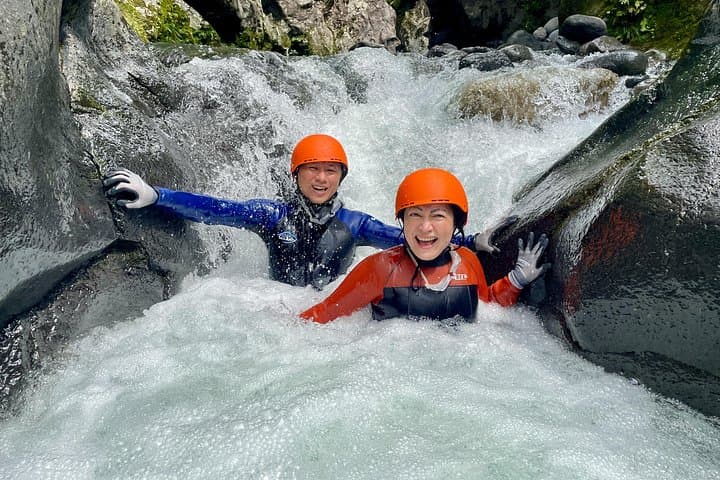
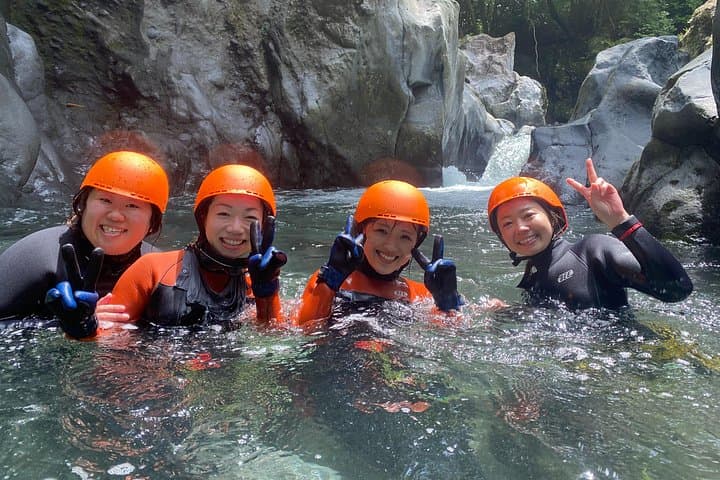
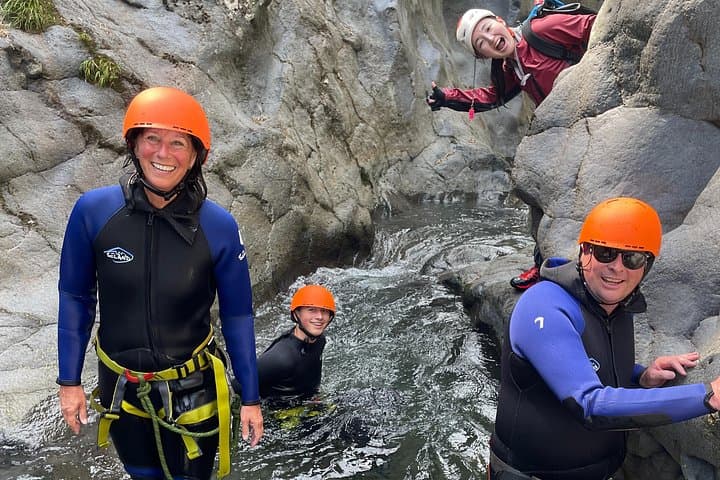
This canyon sits on the southern flanks of Mt. Fuji, where past eruptions and river action have carved hard lava into tight gorges, chutes and plunge pools. The guides at Fujiyama Canyoning Japan—local climbers and swimmers turned outfitters—lead short, technical descents that mix walking, short rappels, sliding natural chutes and small jumps (1–5 m). The experience is tactile: wet basalt under your palms, sunlight spearing through tree gaps, water daring you to move faster.
Geology is visible at eye level—columnar and slabby lava flows interrupted by river incision—and local culture shows in nearby shrines and mountain-side villages that long relied on these streams for irrigation. Guides will point out how Fuji’s eruptions redirected watercourses and shaped the canyon you traverse.
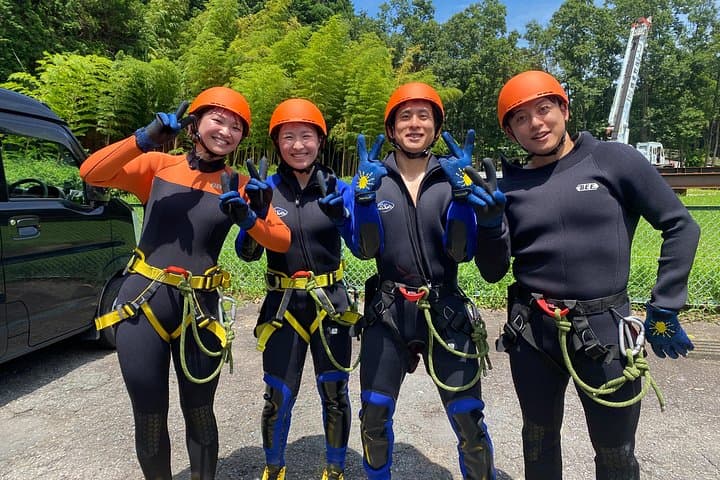
Practically: the shared tour runs about 2–3 hours, uses wetsuits, helmets, harnesses and river shoes supplied on-site, and is suitable for first-timers who can swim and are comfortable with scrambling. Tours pause December–March for safety and seasonality; summer is peak for water play. Expect wet footing, secure guide instruction, and a moderate cardio effort with bursts of scrambling. Bring quick-dry layers, a small dry bag for your phone, and be ready to laugh when the current nudges you through a natural slide. Leave no trace—pack out plastics and respect fragile streamside plants—to keep the canyon ready for the next group.
moderate.
2–3 hours.
Suitable for people who are moderately active, comfortable with short swims, scrambling and standing climbs; basic stamina required.
You don’t need to be a strong swimmer, but basic swimming competency and comfort in deep pools is required; guides provide flotation and close supervision.
Group tours do not include hotel pickup; private tour options include transfers—confirm at booking if you require pickup from your hotel.
Tours are closed December through March for safety and seasonal conditions; the main operating season runs spring through autumn with summer at peak water levels.
No—guides offer alternatives for participants who prefer to walk around a drop; they will assess conditions and individual comfort before any jump or rappel.
The canyon’s form traces to historic lava flows from Mt. Fuji; villagers historically used these streams for mills and irrigation, and the geology remains a living record of Fuji’s activity.
Operators follow seasonal closures and a strict leave-no-trace ethic to protect fragile stream plants and spawning zones; stick to established entry/exit points and pack out all waste.
Fujiyama Canyoning Japan operates guided outdoor trips and adventures with an emphasis on safety, stewardship, and memorable experiences.
You step off the vans and the mountain air changes—cool, mineral-scented, the low roar of water pulling your attention down into the gorge.
You step off the vans and the mountain air changes—cool, mineral-scented, the low roar of water pulling your attention down into the gorge.
This canyon sits on the southern flanks of Mt. Fuji, where past eruptions and river action have carved hard lava into tight gorges, chutes and plunge pools. The guides at Fujiyama Canyoning Japan—local climbers and swimmers turned outfitters—lead short, technical descents that mix walking, short rappels, sliding natural chutes and small jumps (1–5 m). The experience is tactile: wet basalt under your palms, sunlight spearing through tree gaps, water daring you to move faster.
Geology is visible at eye level—columnar and slabby lava flows interrupted by river incision—and local culture shows in nearby shrines and mountain-side villages that long relied on these streams for irrigation. Guides will point out how Fuji’s eruptions redirected watercourses and shaped the canyon you traverse.
Practically: the shared tour runs about 2–3 hours, uses wetsuits, helmets, harnesses and river shoes supplied on-site, and is suitable for first-timers who can swim and are comfortable with scrambling. Tours pause December–March for safety and seasonality; summer is peak for water play. Expect wet footing, secure guide instruction, and a moderate cardio effort with bursts of scrambling. Bring quick-dry layers, a small dry bag for your phone, and be ready to laugh when the current nudges you through a natural slide. Leave no trace—pack out plastics and respect fragile streamside plants—to keep the canyon ready for the next group.