THE ADVENTURE COLLECTIVE® · Independent discovery and booking for outdoor travel

Face limestone gorges and cool plunge pools on a guided canyoning route across Mallorca. From easy slides in Na Mora to the vertical drops of L'Ofre and the aquatic darkness of Sa Fosca, expect swims, rappels and limestone scenery.
Face limestone gorges and cool plunge pools on a guided canyoning route across Mallorca. From easy slides in Na Mora to the vertical drops of L'Ofre and the aquatic darkness of Sa Fosca, expect swims, rappels and limestone scenery.
You step into a narrow cut of Mallorca where water still remembers the rock that molded it. The tram of sunlight through olive branches gives way to cool pools; the canyon ahead hisses and invites you to move. In Na Mora you'll feel playful—slides and small jumps that put a grin on your face. L'Ofre tightens the rope and focus, dropping you past vertical limestone ribs. Sa Fosca turns darker and more aquatic, a canyon with international renown for its intensity and shadowed passages.
Verified experiences and guided adventures in the surrounding area.
Operated by Explora Mallorca · Palma de Mallorca, Balearic Islands
You step into a narrow cut of Mallorca where water still remembers the rock that molded it. The tram of sunlight through olive branches gives way to cool pools; the canyon ahead hisses and invites you to move. In Na Mora you'll feel playful—slides and small jumps that put a grin on your face. L'Ofre tightens the rope and focus, dropping you past vertical limestone ribs. Sa Fosca turns darker and more aquatic, a canyon with international renown for its intensity and shadowed passages.
Mallorca’s canyons are chiseled from the island’s limestone and shaped by seasonal torrents. The Serra de Tramuntana, a UNESCO Cultural Landscape, anchors these drainage lines; stone terraces and old shepherd tracks speak to human history alongside the gorge. Local guides combine modern ropework with an understanding of flash‑flow risk and Mediterranean hydrology to keep a route safe and efficient.
Practical guidance: arrive in Palma or a Tramuntana village with a daypack, closed canyon shoes, and a willingness to swim. Tours typically run 5–6 hours; expect walking approaches, sections of abseil, natural slides and swims. Fitness should be moderate — you’ll climb, swim short distances and trust fixed anchors on steeper drops. Weather matters: heavy rain raises river levels and can cancel outings. Leave metal carabiners and rescue hardware to guides; bring water, sun protection for approach hikes, and a quick‑dry base layer.
Canyoning in Mallorca is physical, sensory and specific — part scramble, part swim, part vertical play — and best experienced with a certified guide who knows each canyon’s moods.
moderate.
6 hours.
Moderate fitness—regular walkers and swimmers will manage; expect scrambling, short swims and multiple vertical contacts.
No—guided trips provide instruction and top‑roping or assisted belays; advanced sections may require basic abseil skills taught on site.
Entry‑level canyons accept younger participants (often 12+) who can swim; check operator age limits for each canyon.
Most departures meet in Palma or Tramuntana villages; transfer times vary but many canyons are 30–90 minutes from Palma by road.
Yes—heavy rain or high river flows make canyons unsafe and operators will reschedule or refund according to their policy.
Many canyon routes cut through karst limestone that shepherds and rural communities have worked for centuries; terraces and dry stone walls nearby reflect the island’s agrarian past.
Canyons are sensitive to erosion and litter; use licensed guides, avoid fixed modification of routes, and pack out all trash to protect water quality and native vegetation.
Explora Mallorca operates guided outdoor trips and adventures with an emphasis on safety, stewardship, and memorable experiences.
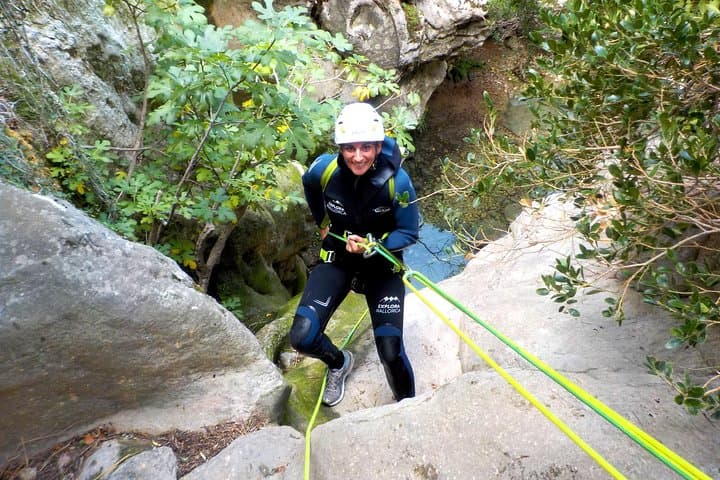
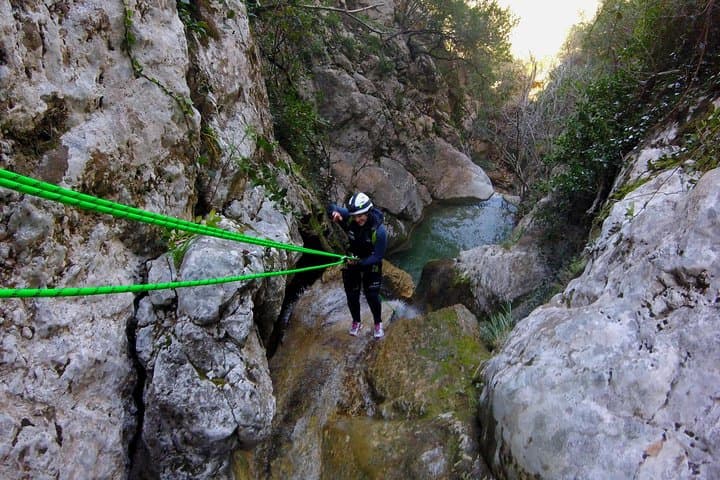
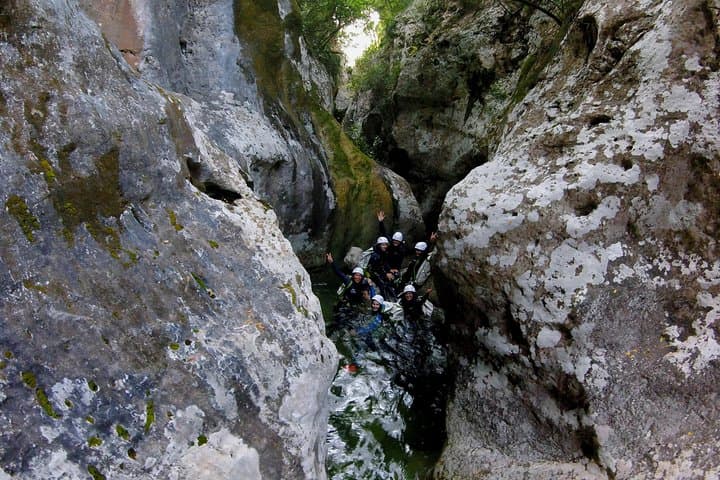
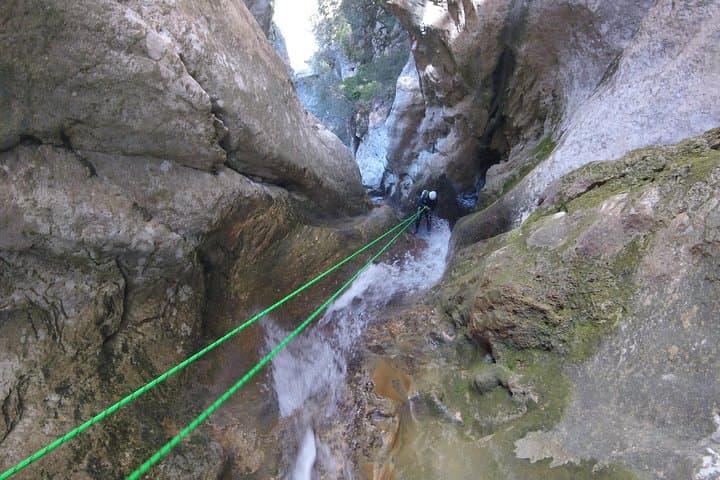
You step into a narrow cut of Mallorca where water still remembers the rock that molded it. The tram of sunlight through olive branches gives way to cool pools; the canyon ahead hisses and invites you to move. In Na Mora you'll feel playful—slides and small jumps that put a grin on your face. L'Ofre tightens the rope and focus, dropping you past vertical limestone ribs. Sa Fosca turns darker and more aquatic, a canyon with international renown for its intensity and shadowed passages.
You step into a narrow cut of Mallorca where water still remembers the rock that molded it. The tram of sunlight through olive branches gives way to cool pools; the canyon ahead hisses and invites you to move. In Na Mora you'll feel playful—slides and small jumps that put a grin on your face. L'Ofre tightens the rope and focus, dropping you past vertical limestone ribs. Sa Fosca turns darker and more aquatic, a canyon with international renown for its intensity and shadowed passages.
Mallorca’s canyons are chiseled from the island’s limestone and shaped by seasonal torrents. The Serra de Tramuntana, a UNESCO Cultural Landscape, anchors these drainage lines; stone terraces and old shepherd tracks speak to human history alongside the gorge. Local guides combine modern ropework with an understanding of flash‑flow risk and Mediterranean hydrology to keep a route safe and efficient.
Practical guidance: arrive in Palma or a Tramuntana village with a daypack, closed canyon shoes, and a willingness to swim. Tours typically run 5–6 hours; expect walking approaches, sections of abseil, natural slides and swims. Fitness should be moderate — you’ll climb, swim short distances and trust fixed anchors on steeper drops. Weather matters: heavy rain raises river levels and can cancel outings. Leave metal carabiners and rescue hardware to guides; bring water, sun protection for approach hikes, and a quick‑dry base layer.
Canyoning in Mallorca is physical, sensory and specific — part scramble, part swim, part vertical play — and best experienced with a certified guide who knows each canyon’s moods.