THE ADVENTURE COLLECTIVE® · Independent discovery and booking for outdoor travel

Push your canyoning skills on Madeira’s steep basalt gorges: technical rappels, narrow slots, and cold plunge pools guided by professionals. This full-day advanced run demands fitness and rope competency but rewards with dramatic geology, laurel-shaded waterfalls, and expert instruction.
Push your canyoning skills on Madeira’s steep basalt gorges: technical rappels, narrow slots, and cold plunge pools guided by professionals. This full-day advanced run demands fitness and rope competency but rewards with dramatic geology, laurel-shaded waterfalls, and expert instruction.
You step off the van where the basalt cliffs crease into shadow and the canyon breathes cold, mineral air. Rivulets gather into emerald pools that dare you to move faster; moss and laurel leaves slick the rock underfoot. Guides check harnesses with methodical calm as waterfalls drum above — the canyon is waiting.
Verified experiences and guided adventures in the surrounding area.
Operated by Madeira Climbing Center · Funchal, Madeira
You step off the van where the basalt cliffs crease into shadow and the canyon breathes cold, mineral air. Rivulets gather into emerald pools that dare you to move faster; moss and laurel leaves slick the rock underfoot. Guides check harnesses with methodical calm as waterfalls drum above — the canyon is waiting.
Madeira’s canyons cut into volcanic bedrock carved by millennia of rain and runoff. The island’s laurel forest, a remnant of Pleistocene subtropical woods, drapes canyon walls and channels water into tight slots and plunge pools. Canyoning here blends Portuguese island culture — local mountain villages, shepherd paths, and levadas (irrigation channels) — with a raw geology that forces technical ropework and nimble footwork.
Expect sustained rappels, narrow chimneys, and occasional swims through clear, cold pools; some drops require controlled abseils of 20–40 meters. Guides teach anchor checks, handlines, and pool-exit techniques before moving into exposed sections. Hot coffee and chocolate at the end are small comforts after the adrenaline and chilled limbs.
Practicalities: arrive with sturdy neoprene boots or canyon shoes, a wetsuit (water stays cold year-round at altitude), and a baseline of endurance — this is a full-day, physically demanding outing. Weather can change fast; flows are higher after rain and operators will cancel unsafe runs. Hydrate, eat a solid breakfast, and be honest about swimming ability and any spinal or heart conditions. With the right preparation, this is one of Madeira’s most intimate ways to read the island’s stone and water — direct, technical, and unforgettable.
challenging.
6 hours.
High level of cardio strength and agility; regular hikers or climbers with good endurance will be comfortable.
Yes — this is an advanced route that requires experience with technical rappels and comfort in deep pools; guides focus on safety but expect demanding sections.
Rappels can range up to about 40 meters depending on the specific canyon chosen that day; guides brief the group on each descent beforehand.
Most operators include pickup or meeting points near Funchal; check your booking for specifics and arrive on time for gear fitting.
Phones and cameras are at high risk of water damage; if allowed, carry them in a waterproof case on the guide’s recommendation.
Madeira’s canyons formed from volcanic flows and persistent erosion; levadas built from the 16th century diverted water across rugged terrain to support agriculture and settlement.
Stick to guide instructions and marked approaches to protect fragile laurel forest; operators follow strict group-size and gear protocols to minimize erosion and disturbance.
Madeira Climbing Center operates guided outdoor trips and adventures with an emphasis on safety, stewardship, and memorable experiences.
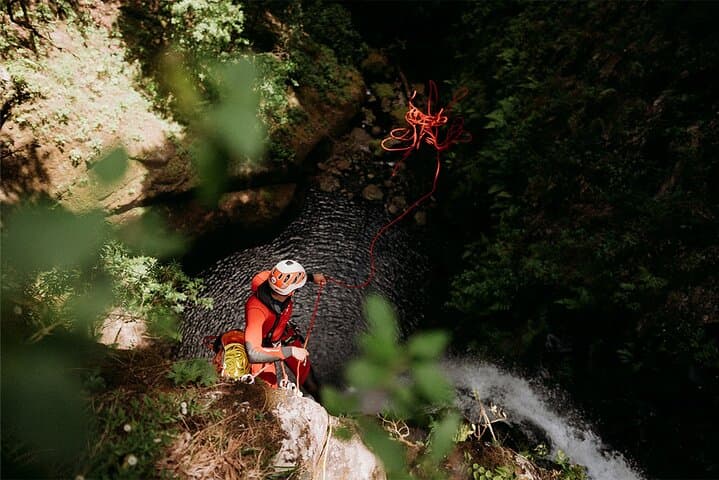
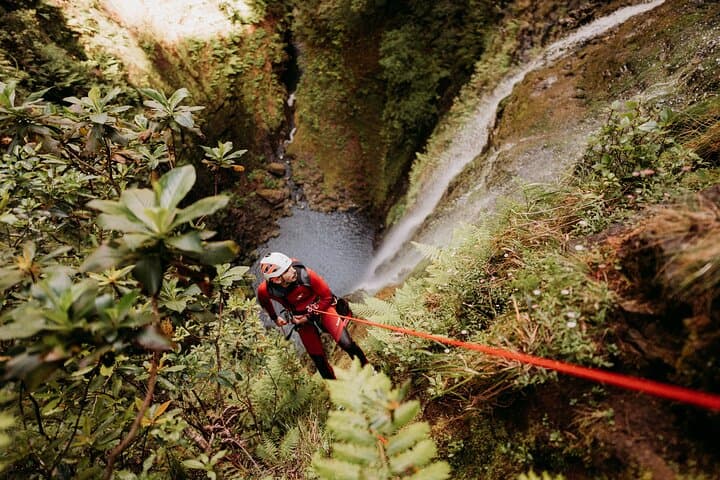
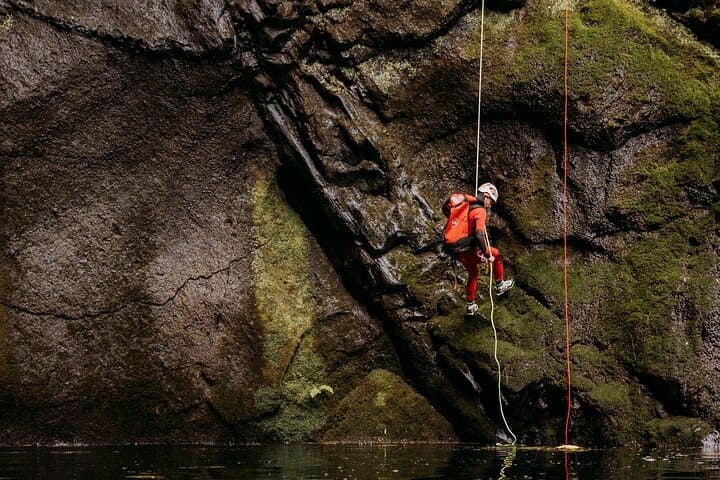
You step off the van where the basalt cliffs crease into shadow and the canyon breathes cold, mineral air. Rivulets gather into emerald pools that dare you to move faster; moss and laurel leaves slick the rock underfoot. Guides check harnesses with methodical calm as waterfalls drum above — the canyon is waiting.
You step off the van where the basalt cliffs crease into shadow and the canyon breathes cold, mineral air. Rivulets gather into emerald pools that dare you to move faster; moss and laurel leaves slick the rock underfoot. Guides check harnesses with methodical calm as waterfalls drum above — the canyon is waiting.
Madeira’s canyons cut into volcanic bedrock carved by millennia of rain and runoff. The island’s laurel forest, a remnant of Pleistocene subtropical woods, drapes canyon walls and channels water into tight slots and plunge pools. Canyoning here blends Portuguese island culture — local mountain villages, shepherd paths, and levadas (irrigation channels) — with a raw geology that forces technical ropework and nimble footwork.
Expect sustained rappels, narrow chimneys, and occasional swims through clear, cold pools; some drops require controlled abseils of 20–40 meters. Guides teach anchor checks, handlines, and pool-exit techniques before moving into exposed sections. Hot coffee and chocolate at the end are small comforts after the adrenaline and chilled limbs.
Practicalities: arrive with sturdy neoprene boots or canyon shoes, a wetsuit (water stays cold year-round at altitude), and a baseline of endurance — this is a full-day, physically demanding outing. Weather can change fast; flows are higher after rain and operators will cancel unsafe runs. Hydrate, eat a solid breakfast, and be honest about swimming ability and any spinal or heart conditions. With the right preparation, this is one of Madeira’s most intimate ways to read the island’s stone and water — direct, technical, and unforgettable.