THE ADVENTURE COLLECTIVE® · Independent discovery and booking for outdoor travel

Push your canyoning skills on steep rappels, narrow gorges and cold plunge pools in Madeira. This intermediate route combines technical ropework with wild volcanic canyons and experienced guides.
Push your canyoning skills on steep rappels, narrow gorges and cold plunge pools in Madeira. This intermediate route combines technical ropework with wild volcanic canyons and experienced guides.
A basalt wall cuts the sky and a gullied stream dares you to move faster—Madeira’s canyons are active landscapes that push and reward. On an intermediate canyoning route participants step into water-worn corridors, clip into anchors, and lower themselves beside plunging curtains of water; cold pools flash below and native laurel slopes watch from above.
Verified experiences and guided adventures in the surrounding area.
Operated by Madeira Climbing Center · Funchal, Madeira
A basalt wall cuts the sky and a gullied stream dares you to move faster—Madeira’s canyons are active landscapes that push and reward. On an intermediate canyoning route participants step into water-worn corridors, clip into anchors, and lower themselves beside plunging curtains of water; cold pools flash below and native laurel slopes watch from above.
Madeira’s gorges were carved by volcanic activity and intense rainfall, so the rock here is hard volcanic basalt and the channels are often narrow with polished, slippery surfaces. Culturally the island blends Portuguese maritime history with a resilient mountain life—local guides often share stories about levadas, old shepherd tracks, and how streams shaped settlements.
Expect technical rappels of 10–30 meters, some short swims, and narrow squeezes; routes are dynamic season to season as flows change. Guides supply ropes, harnesses, helmets and usually wetsuits, but personal fitness and comfort with exposure matter. The experience pairs adrenaline with tidy instruction: anchors are inspected, lines doubled where needed, and progress is deliberate.
Practical guidance: arrive hydrated and fed, wear sturdy closed-toe shoes with good grip, and bring a small dry bag for valuables. Morning departures avoid the hottest light and maximize stable weather windows. Listen to guide briefings on hand signals and rescue procedure; conditions can change quickly after rain. If you’re comfortable with controlled rappels and basic rope commands, the intermediate canyons are an efficient way to push skills while enjoying dramatic Madeira scenery.
challenging.
5 hours.
Moderate to good cardiovascular fitness; comfortable with heights, repeated rappels, and short swims.
Guides typically provide harnesses, helmets, ropes and often wetsuits—confirm specific inclusions when booking.
Intermediate canyoning requires moderate to good fitness, comfort with heights, basic swimming ability and readiness for repeated rappels.
Not usually; intermediate routes assume prior canyoning experience or familiarity with ropes and exposure—ask about a skills assessment or a beginner option.
Operators cancel or reschedule if flows are unsafe or the guide deems conditions hazardous; check cancellation terms and arrive flexible.
Madeira’s stream-carved gorges owe their form to volcanic origins and centuries of high rainfall; levada irrigation channels nearby illustrate how locals harnessed these water routes.
Follow guides to avoid trampling sensitive laurel forest vegetation; avoid leaving gear in-stream and stick to established access points to reduce erosion.
Madeira Climbing Center operates guided outdoor trips and adventures with an emphasis on safety, stewardship, and memorable experiences.
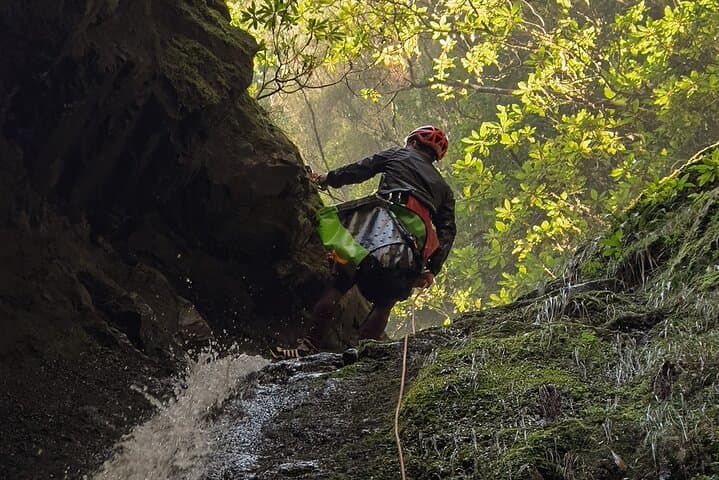
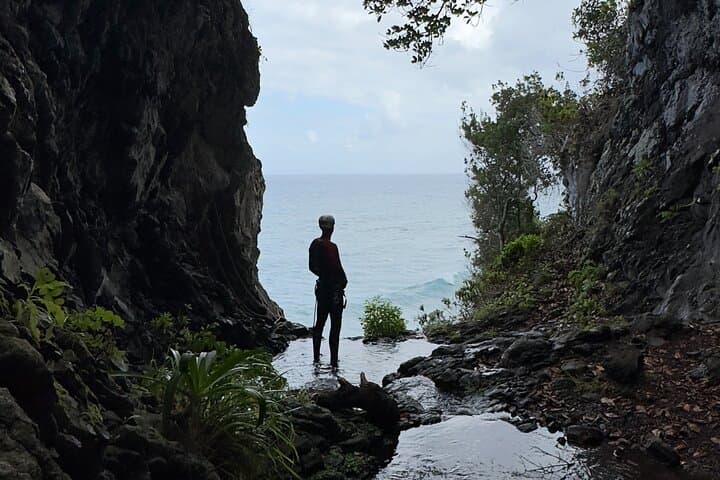
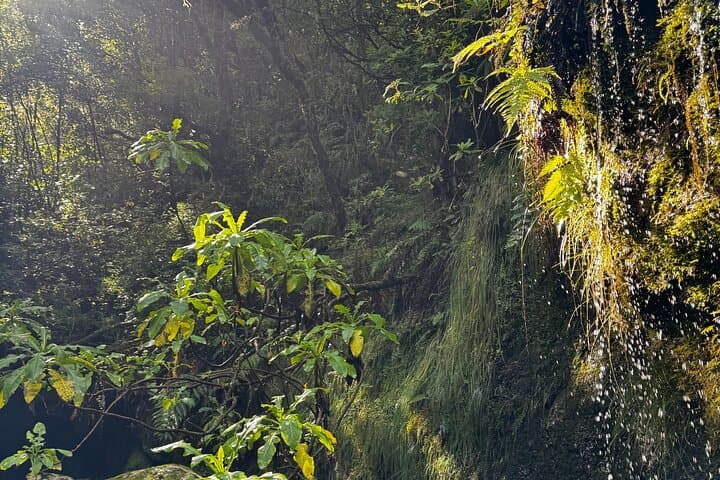
A basalt wall cuts the sky and a gullied stream dares you to move faster—Madeira’s canyons are active landscapes that push and reward. On an intermediate canyoning route participants step into water-worn corridors, clip into anchors, and lower themselves beside plunging curtains of water; cold pools flash below and native laurel slopes watch from above.
A basalt wall cuts the sky and a gullied stream dares you to move faster—Madeira’s canyons are active landscapes that push and reward. On an intermediate canyoning route participants step into water-worn corridors, clip into anchors, and lower themselves beside plunging curtains of water; cold pools flash below and native laurel slopes watch from above.
Madeira’s gorges were carved by volcanic activity and intense rainfall, so the rock here is hard volcanic basalt and the channels are often narrow with polished, slippery surfaces. Culturally the island blends Portuguese maritime history with a resilient mountain life—local guides often share stories about levadas, old shepherd tracks, and how streams shaped settlements.
Expect technical rappels of 10–30 meters, some short swims, and narrow squeezes; routes are dynamic season to season as flows change. Guides supply ropes, harnesses, helmets and usually wetsuits, but personal fitness and comfort with exposure matter. The experience pairs adrenaline with tidy instruction: anchors are inspected, lines doubled where needed, and progress is deliberate.
Practical guidance: arrive hydrated and fed, wear sturdy closed-toe shoes with good grip, and bring a small dry bag for valuables. Morning departures avoid the hottest light and maximize stable weather windows. Listen to guide briefings on hand signals and rescue procedure; conditions can change quickly after rain. If you’re comfortable with controlled rappels and basic rope commands, the intermediate canyons are an efficient way to push skills while enjoying dramatic Madeira scenery.