THE ADVENTURE COLLECTIVE® · Independent discovery and booking for outdoor travel

Descend waterfalls, traverse laurel forest and rappel through volcanic ravines on a guided canyoning route in Gran Canaria’s interior. This small-group trip includes wetsuit and photos.
Descend waterfalls, traverse laurel forest and rappel through volcanic ravines on a guided canyoning route in Gran Canaria’s interior. This small-group trip includes wetsuit and photos.
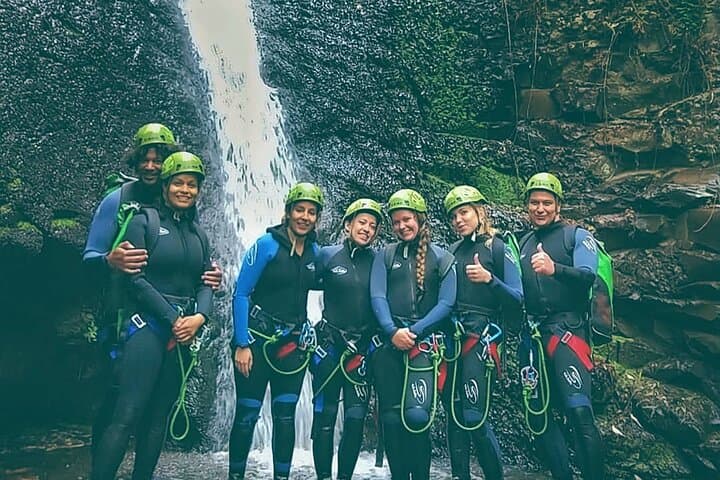
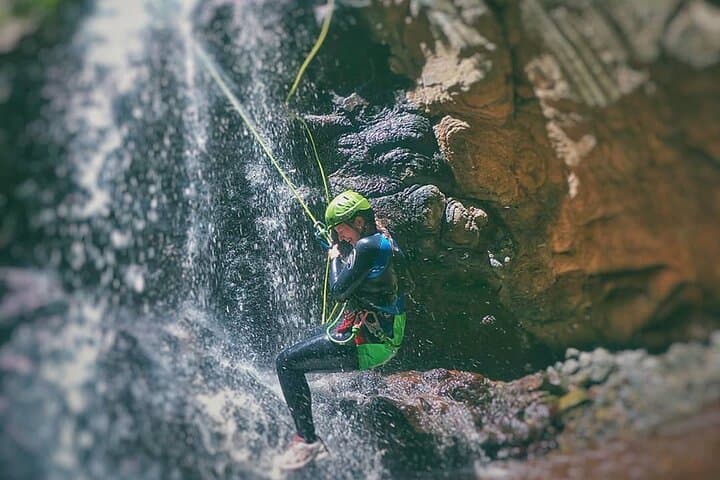
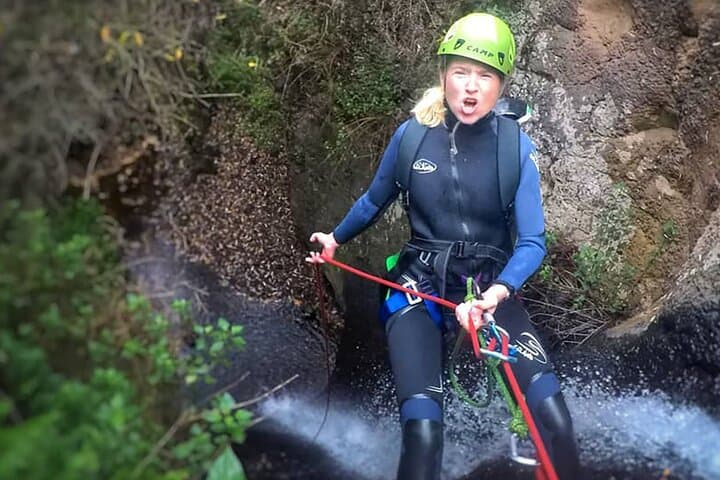
A cool spray greets you before the canyon opens — stone walls cut the sun into narrow bands and the river dares you forward. In Cernícalos canyon the route threads through laurel forest, drops over small waterfalls and forces a close encounter with the island’s interior geology: layered volcanic tuff and basalt carved into steep ravines by millennia of winter runoff.
Verified experiences and guided adventures in the surrounding area.
Operated by MOJO PICON AVENTURA · Tejeda, Canary Islands
A cool spray greets you before the canyon opens — stone walls cut the sun into narrow bands and the river dares you forward. In Cernícalos canyon the route threads through laurel forest, drops over small waterfalls and forces a close encounter with the island’s interior geology: layered volcanic tuff and basalt carved into steep ravines by millennia of winter runoff.
Canyoning here blends natural history and local culture. The Canaries’ volcanic past created the gullies; the laurel (laurisilva) pockets are relics of a wetter climate and echo older island ecosystems. Guides often point out traditional stone terraces and the island’s rural past as you walk between descents.
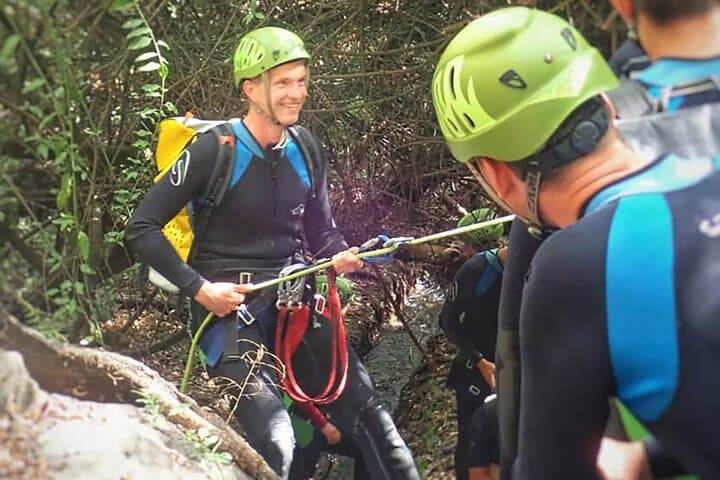
Practically, expect a 3–4 hour small-group outing with neoprene suits, helmets, harnesses and a descender provided. The route combines scrambling, short rappels, controlled jumps and pool swims — nothing technical beyond basic rope work led by the guide, but you should be comfortable in moving water. The operator includes a light picnic and a photo report so you can share the highlights later.
Plan for variable water: seasons affect flow and temperature. Wear secure river shoes, bring a dry change of clothes and a waterproof phone case, and arrive hydrated and fed. Morning departures avoid the midday heat and give better light for photos. This is an accessible, active way to experience Gran Canaria’s interior — tactile, physical, and surprisingly green compared with the island’s coastal resorts.
moderate.
3–4 hours.
Moderate — suitable for people who can hike on uneven terrain, swim short distances, and manage stairs/short climbs.
No — guides provide instruction and safety gear; routes are chosen for varying abilities though you should be comfortable in moving water.
Wetsuit, helmet, harness, descender, bottled water, a light picnic and a photo report are included; professional guide and small-group format.
Children under 18 must be accompanied by an adult; operators set age limits and safety requirements so check when booking.
Trips can be canceled for high water or unsafe conditions; operators typically refund or reschedule if canceled for weather.
The island’s ravines formed from volcanic eruptions and erosion; terraces and stonework along routes reflect centuries of rural agriculture and local life.
Stick to established approaches and avoid disturbing vegetation — laurel patches are sensitive. Operators limit group size and use designated access points to reduce erosion.
MOJO PICON AVENTURA operates guided outdoor trips and adventures with an emphasis on safety, stewardship, and memorable experiences.
A cool spray greets you before the canyon opens — stone walls cut the sun into narrow bands and the river dares you forward. In Cernícalos canyon the route threads through laurel forest, drops over small waterfalls and forces a close encounter with the island’s interior geology: layered volcanic tuff and basalt carved into steep ravines by millennia of winter runoff.
A cool spray greets you before the canyon opens — stone walls cut the sun into narrow bands and the river dares you forward. In Cernícalos canyon the route threads through laurel forest, drops over small waterfalls and forces a close encounter with the island’s interior geology: layered volcanic tuff and basalt carved into steep ravines by millennia of winter runoff.
Canyoning here blends natural history and local culture. The Canaries’ volcanic past created the gullies; the laurel (laurisilva) pockets are relics of a wetter climate and echo older island ecosystems. Guides often point out traditional stone terraces and the island’s rural past as you walk between descents.
Practically, expect a 3–4 hour small-group outing with neoprene suits, helmets, harnesses and a descender provided. The route combines scrambling, short rappels, controlled jumps and pool swims — nothing technical beyond basic rope work led by the guide, but you should be comfortable in moving water. The operator includes a light picnic and a photo report so you can share the highlights later.
Plan for variable water: seasons affect flow and temperature. Wear secure river shoes, bring a dry change of clothes and a waterproof phone case, and arrive hydrated and fed. Morning departures avoid the midday heat and give better light for photos. This is an accessible, active way to experience Gran Canaria’s interior — tactile, physical, and surprisingly green compared with the island’s coastal resorts.