THE ADVENTURE COLLECTIVE® · Independent discovery and booking for outdoor travel

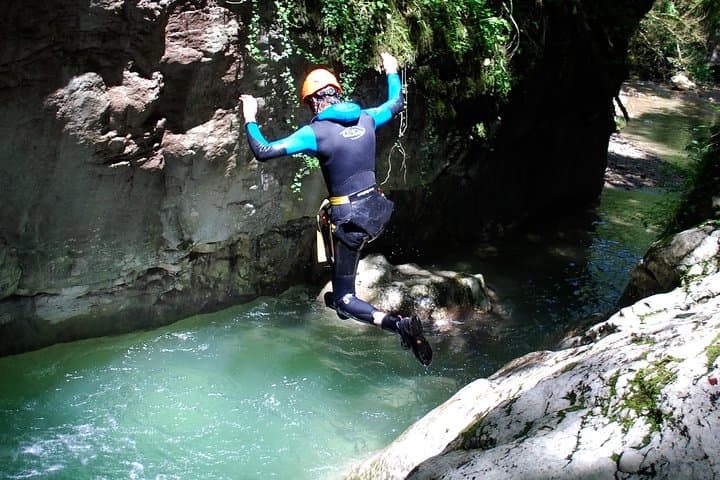
Short, intense and wildly aquatic, the lower Écouges canyon near Grenoble is the Vercors’ sporting classic. Expect jumps, slides, waterfall rappels and a final pool with optional high dives—four hours that test fitness and melt away routine.
Short, intense and wildly aquatic, the lower Écouges canyon near Grenoble is the Vercors’ sporting classic. Expect jumps, slides, waterfall rappels and a final pool with optional high dives—four hours that test fitness and melt away routine.
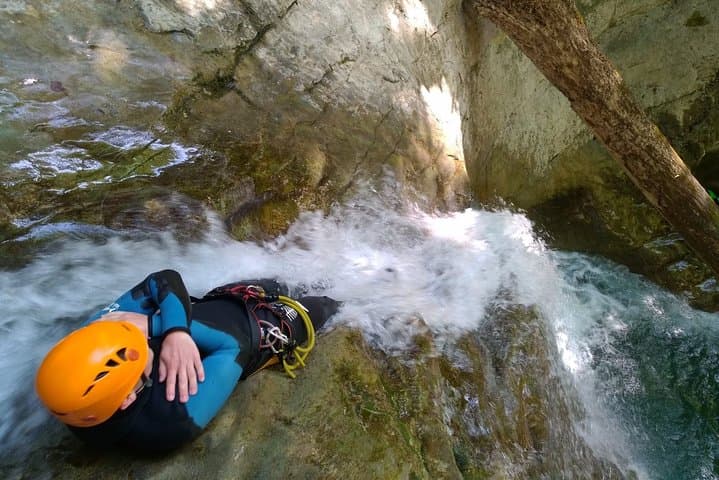
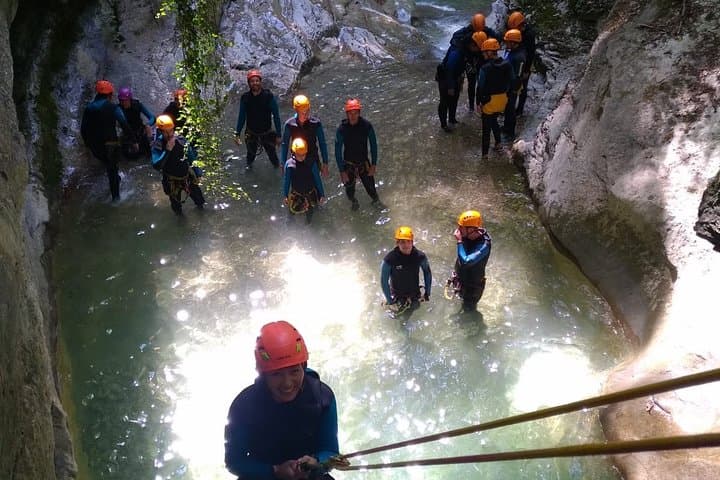
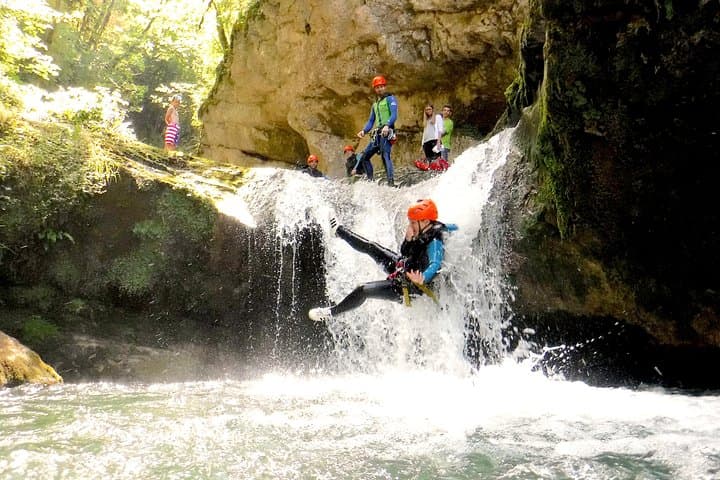
You step off the trail and the canyon takes over: limestone walls narrow, the air cools, and water finds a rhythm that seems to dare you forward. Splash and stone trade places beneath your feet as the Écouges forces every sense to focus—current tugging at calves, spray spitting from small waterfalls, the echo of rope on rock when your guide rigs an abseil. The lower Écouges is a concentrated dose of Vercors geology and hydrology: short, intense pitches, ejectable toboggans, and plunges that end in pools large enough to feel like private basins.
Verified experiences and guided adventures in the surrounding area.
Operated by Vertical Way · Grenoble, Auvergne-Rhône-Alpes
You step off the trail and the canyon takes over: limestone walls narrow, the air cools, and water finds a rhythm that seems to dare you forward. Splash and stone trade places beneath your feet as the Écouges forces every sense to focus—current tugging at calves, spray spitting from small waterfalls, the echo of rope on rock when your guide rigs an abseil. The lower Écouges is a concentrated dose of Vercors geology and hydrology: short, intense pitches, ejectable toboggans, and plunges that end in pools large enough to feel like private basins.
This stretch of the Vercors was carved during the last ice age and refined by torrents that still run headstrong in spring. Local shepherding traditions once used the plateaus above the gorges; below, the rocky corridors remained a place of legend more than of settlement. Today the canyon is a sporting benchmark around Grenoble — the route that introduced many to aquatic descent because it mixes jumps, slides and technical abseils, including a memorable rappel under a waterfall into a cave-mouth pool.
Geology shows in every handhold: compact limestone shelves, potholes worn into smooth bowls and abrupt drops where the river has undercut the rock. Culturally, the area sits between quiet mountain villages and Grenoble’s urban gravity; guides who run Écouges often learned the canyons as local kids before training professionally. Their knowledge—where to jump, when to swim, how to read the water—keeps the route accessible while preserving its wild character.
Practicalities are simple but firm. The full activity runs about four hours from meeting to return; expect roughly 2–3 kilometers of canyon travel with an overall descent that can feel like 100–200 vertical meters of negotiated drops. Guides provide canyoning equipment, wetsuits, helmets and ropes, but you must be comfortable swimming and have a moderate level of fitness. Jumps are optional, but several are natural parts of the flow; if heights bother you, tell your guide and pick the walk-around or lower-elevation exit points.
Timing matters: spring brings forceful, colder water and the most adrenaline; summer is warmer and busier; shoulder seasons offer quieter runs but chillier temps. Hydration, sturdy neoprene footwear, and a brief familiarization with basic rope safety will keep your day moving. When you slide into the final, broad pool—there’s a natural diving board that clears 6 to 9 meters—you’ll understand why Écouges is the Vercors’ sporting standard: it asks for respect, rewards boldness, and leaves you keyed to the mountain’s pulse.
challenging.
4 hours.
Moderate to fit: steady legs, comfortable swimming and no serious cardiovascular issues
No—this guided route is suitable for first-timers with moderate fitness, but you must be comfortable in water and able to follow safety instructions.
Operators ask for reasonable fitness; children are sometimes allowed depending on size and maturity—booking questions include age and weight to confirm suitability.
Yes—guides supply wetsuit, helmet, harness and ropes; you should bring personal footwear and a swimsuit.
Absolutely—guides always offer alternatives or walk-around options for any jump or rappel you don’t want to do.
Summer for warmer water and long days; spring offers higher flow and more adrenaline but colder conditions—shoulder seasons may be quieter but chillier.
The meeting point is typically at the Écouges parking area, about a 45–60 minute drive from Grenoble—plan transit or a rental car accordingly.
The Vercors gorges shaped local pastoral routes; stone terraces and shepherd shelters on the rims recall centuries of mountain grazing.
Guides follow leave-no-trace practices to protect fragile limestone pools; avoid sunscreen or lotions before entering the canyon to reduce chemical runoff.
Vertical Way operates guided outdoor trips and adventures with an emphasis on safety, stewardship, and memorable experiences.
You step off the trail and the canyon takes over: limestone walls narrow, the air cools, and water finds a rhythm that seems to dare you forward. Splash and stone trade places beneath your feet as the Écouges forces every sense to focus—current tugging at calves, spray spitting from small waterfalls, the echo of rope on rock when your guide rigs an abseil. The lower Écouges is a concentrated dose of Vercors geology and hydrology: short, intense pitches, ejectable toboggans, and plunges that end in pools large enough to feel like private basins.
You step off the trail and the canyon takes over: limestone walls narrow, the air cools, and water finds a rhythm that seems to dare you forward. Splash and stone trade places beneath your feet as the Écouges forces every sense to focus—current tugging at calves, spray spitting from small waterfalls, the echo of rope on rock when your guide rigs an abseil. The lower Écouges is a concentrated dose of Vercors geology and hydrology: short, intense pitches, ejectable toboggans, and plunges that end in pools large enough to feel like private basins.
This stretch of the Vercors was carved during the last ice age and refined by torrents that still run headstrong in spring. Local shepherding traditions once used the plateaus above the gorges; below, the rocky corridors remained a place of legend more than of settlement. Today the canyon is a sporting benchmark around Grenoble — the route that introduced many to aquatic descent because it mixes jumps, slides and technical abseils, including a memorable rappel under a waterfall into a cave-mouth pool.
Geology shows in every handhold: compact limestone shelves, potholes worn into smooth bowls and abrupt drops where the river has undercut the rock. Culturally, the area sits between quiet mountain villages and Grenoble’s urban gravity; guides who run Écouges often learned the canyons as local kids before training professionally. Their knowledge—where to jump, when to swim, how to read the water—keeps the route accessible while preserving its wild character.
Practicalities are simple but firm. The full activity runs about four hours from meeting to return; expect roughly 2–3 kilometers of canyon travel with an overall descent that can feel like 100–200 vertical meters of negotiated drops. Guides provide canyoning equipment, wetsuits, helmets and ropes, but you must be comfortable swimming and have a moderate level of fitness. Jumps are optional, but several are natural parts of the flow; if heights bother you, tell your guide and pick the walk-around or lower-elevation exit points.
Timing matters: spring brings forceful, colder water and the most adrenaline; summer is warmer and busier; shoulder seasons offer quieter runs but chillier temps. Hydration, sturdy neoprene footwear, and a brief familiarization with basic rope safety will keep your day moving. When you slide into the final, broad pool—there’s a natural diving board that clears 6 to 9 meters—you’ll understand why Écouges is the Vercors’ sporting standard: it asks for respect, rewards boldness, and leaves you keyed to the mountain’s pulse.