THE ADVENTURE COLLECTIVE® · Independent discovery and booking for outdoor travel

Drenovštica Canyon is a compact, technical canyoning route above Budva offering 3–4 hours of swimming, abseils and jumps through karst limestone walls. Guided, family-friendly for ages 10+, this trip pairs raw adrenaline with accessible logistics.
Drenovštica Canyon is a compact, technical canyoning route above Budva offering 3–4 hours of swimming, abseils and jumps through karst limestone walls. Guided, family-friendly for ages 10+, this trip pairs raw adrenaline with accessible logistics.
The guide clips the last carabiner to your harness and gestures down into a narrow throat of stone. Light filters through a ragged slit; water speaks in urgent clicks and the canyon answers with a cool, echoing breath. This is Drenovštica — a compact, technical canyon sliced into the limestone high above Budva where waterfalls step down like a concrete staircase and plunge pools dare you to jump.
Verified experiences and guided adventures in the surrounding area.
Operated by Attraction Montenegro Tour · Budva, Budva Municipality
The guide clips the last carabiner to your harness and gestures down into a narrow throat of stone. Light filters through a ragged slit; water speaks in urgent clicks and the canyon answers with a cool, echoing breath. This is Drenovštica — a compact, technical canyon sliced into the limestone high above Budva where waterfalls step down like a concrete staircase and plunge pools dare you to jump.
Drenovštica is less a postcard and more a sequence of tasks: wading, swimming, scrambling, and abseiling beneath cliffs up to 15 meters. The route starts near the village of Krapina, a patchwork of stone houses and terraced fields whose shepherding past still marks trails here. Geologically, the canyon is carved from karst limestone; rains funnel into tight channels, polishing walls and sculpting the potholes and drop-offs you move through. Locals have used these gullies for centuries as seasonal pasture access, though the canyon itself remained off most maps until adventure guides began running trips in recent decades.
On a clear summer day the pools hold warm, green water; in higher flow the river sings louder and guides fit you with neoprene. The canyon’s personality shifts with the season — playful in low summer, stern and exacting after mountain storms — and your relationship with it is active: you don’t view it so much as pass through as negotiate with it.
Practicalities are straightforward. The trip is private and guided, lasting about 3 to 4 hours in the canyon plus a 20-minute walk back uphill to the meeting point. Expect repeated short swims, slippery rock sections, rope descents, and optional jumps into pools. Guides provide helmets, harnesses, canyoning gear, and neoprene when needed; you bring footwear, swimwear, and energy. The activity suits families with children 10 and up who are comfortable in water and with heights; anyone with spinal, heart, or pregnancy contraindications should avoid it.
Timing matters: arrive early to avoid heat and crowds; mid-afternoon light throws deep shadows that hide slippery holds. Hydrate beforehand and pack snacks; once you’re in the canyon you won’t want bulky packs. Wear a snug water shoe with good grip and a quick-dry top beneath the harness. Expect a moderate fitness requirement — repeated lunges and short swims reward those who train with hill walks or pool laps.
Leave no trace: the karst environment is fragile, so take all trash back to Krapina and avoid trampling moss and small plants between lanes of rock. Afterward, the coastal bars of Budva are a short drive away for a beer and to swap stories about the cliff that made you hesitate before jumping.
moderate.
3–4 hours.
Participants should have a moderate fitness level — comfortable with swimming, scrambling, and short bursts of climbing.
Children aged 10 and older may join, provided they are comfortable in water and can follow safety instructions.
No — trips are guided and gear is provided; basic swimming ability and comfort with heights are required.
Wear a swimsuit or quick-dry clothing and closed-toe water shoes; guides supply neoprene, helmets, and harnesses when needed.
In summer pools are generally mild; in spring or after heavy rain water will be colder and guides provide wetsuits as necessary.
Expect repeated short swims, scrambling over slippery rocks, and several abseils; moderate fitness is recommended.
Trips can be canceled for bad weather; full refunds are usually available if canceled at least 24 hours prior.
The canyon is carved from karst limestone common to Montenegro’s coastal hinterland; shepherds historically crossed these slopes to reach seasonal pastures.
The karst ecosystem is sensitive — avoid disturbing moss and vegetation, pack out all waste, and follow guides’ routes to minimize erosion.
Attraction Montenegro Tour operates guided outdoor trips and adventures with an emphasis on safety, stewardship, and memorable experiences.
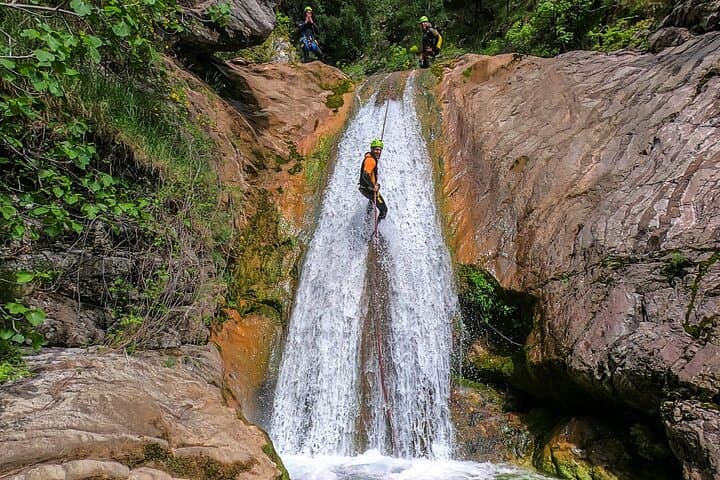
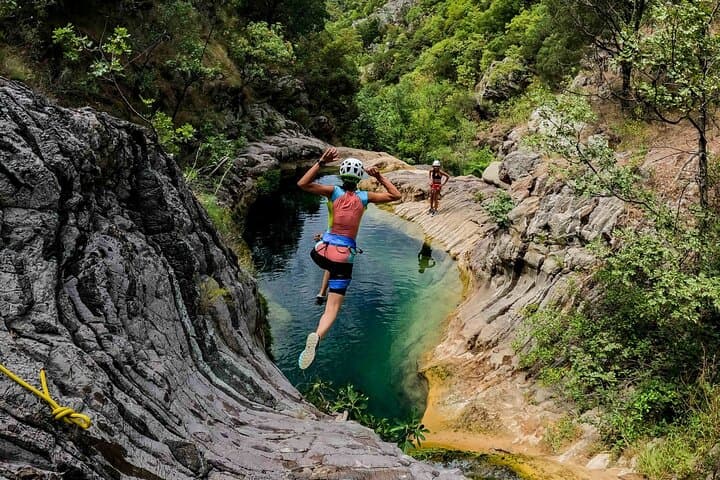
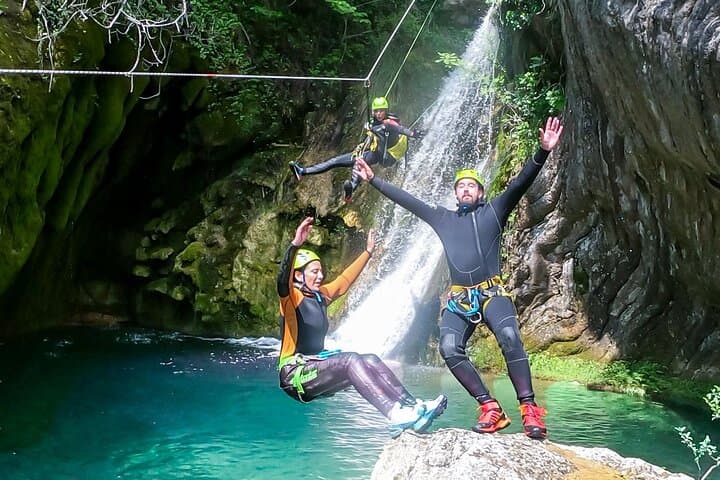
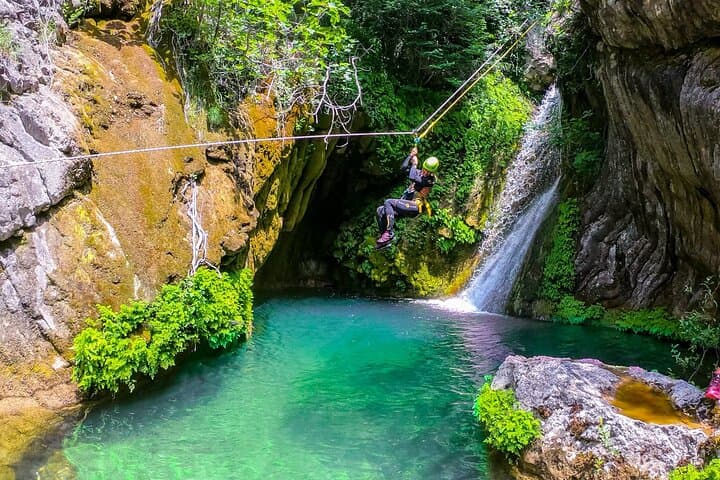
The guide clips the last carabiner to your harness and gestures down into a narrow throat of stone. Light filters through a ragged slit; water speaks in urgent clicks and the canyon answers with a cool, echoing breath. This is Drenovštica — a compact, technical canyon sliced into the limestone high above Budva where waterfalls step down like a concrete staircase and plunge pools dare you to jump.
The guide clips the last carabiner to your harness and gestures down into a narrow throat of stone. Light filters through a ragged slit; water speaks in urgent clicks and the canyon answers with a cool, echoing breath. This is Drenovštica — a compact, technical canyon sliced into the limestone high above Budva where waterfalls step down like a concrete staircase and plunge pools dare you to jump.
Drenovštica is less a postcard and more a sequence of tasks: wading, swimming, scrambling, and abseiling beneath cliffs up to 15 meters. The route starts near the village of Krapina, a patchwork of stone houses and terraced fields whose shepherding past still marks trails here. Geologically, the canyon is carved from karst limestone; rains funnel into tight channels, polishing walls and sculpting the potholes and drop-offs you move through. Locals have used these gullies for centuries as seasonal pasture access, though the canyon itself remained off most maps until adventure guides began running trips in recent decades.
On a clear summer day the pools hold warm, green water; in higher flow the river sings louder and guides fit you with neoprene. The canyon’s personality shifts with the season — playful in low summer, stern and exacting after mountain storms — and your relationship with it is active: you don’t view it so much as pass through as negotiate with it.
Practicalities are straightforward. The trip is private and guided, lasting about 3 to 4 hours in the canyon plus a 20-minute walk back uphill to the meeting point. Expect repeated short swims, slippery rock sections, rope descents, and optional jumps into pools. Guides provide helmets, harnesses, canyoning gear, and neoprene when needed; you bring footwear, swimwear, and energy. The activity suits families with children 10 and up who are comfortable in water and with heights; anyone with spinal, heart, or pregnancy contraindications should avoid it.
Timing matters: arrive early to avoid heat and crowds; mid-afternoon light throws deep shadows that hide slippery holds. Hydrate beforehand and pack snacks; once you’re in the canyon you won’t want bulky packs. Wear a snug water shoe with good grip and a quick-dry top beneath the harness. Expect a moderate fitness requirement — repeated lunges and short swims reward those who train with hill walks or pool laps.
Leave no trace: the karst environment is fragile, so take all trash back to Krapina and avoid trampling moss and small plants between lanes of rock. Afterward, the coastal bars of Budva are a short drive away for a beer and to swap stories about the cliff that made you hesitate before jumping.