THE ADVENTURE COLLECTIVE® · Independent discovery and booking for outdoor travel

Slide, swim and jump through a compact alpine gorge beneath Mont Blanc. This 3–4 hour canyoning descent from Chamonix combines glacial geology, fir-lined approaches and professional guides who adapt the run for beginners and experienced adventurers alike.
Slide, swim and jump through a compact alpine gorge beneath Mont Blanc. This 3–4 hour canyoning descent from Chamonix combines glacial geology, fir-lined approaches and professional guides who adapt the run for beginners and experienced adventurers alike.
The group gathers on the park square in Chamonix, breath steaming in the cool alpine air, Mont Blanc a white wall above the valley. A guide lays out wetsuits and helmets like tools for a new language; the river below waits, dark and quick, daring you toward the canyon mouth. Within an hour the town’s cobbled hum is behind you and a fir-fringed track drops toward a cut of stone where water has been cutting since the last ice age. Rocks are wet, moss glows green, and the current pushes everyone forward — slide, swim, or step carefully where the guide points.
Verified experiences and guided adventures in the surrounding area.
Operated by Valrafting France · Chamonix, Auvergne-Rhône-Alpes
The group gathers on the park square in Chamonix, breath steaming in the cool alpine air, Mont Blanc a white wall above the valley. A guide lays out wetsuits and helmets like tools for a new language; the river below waits, dark and quick, daring you toward the canyon mouth. Within an hour the town’s cobbled hum is behind you and a fir-fringed track drops toward a cut of stone where water has been cutting since the last ice age. Rocks are wet, moss glows green, and the current pushes everyone forward — slide, swim, or step carefully where the guide points.
This canyoning route follows a narrow slice of the Mont Blanc massif where glaciers once gouged deep channels. The gorge’s geology is primarily pre-Alpine gneiss and granite, smoothed into chutes and plunge pools by millennia of meltwater. Chamonix’s identity as an Alpine playground goes back to early 19th-century mountaineers; canyoning is a modern expression of the same urge to move through steep terrain, only this time on water’s terms.
Local guides bring more than ropes: they bring knowledge of seasonal flows, safe jump spots, and how to read a canyon’s moods after rain. The descent is sensory — the slap of water on neoprene, the smell of wet stone, and intermittent wide views where firs step back to reveal ridgelines. Expect short swims, natural slides, and a few slides or controlled jumps into deep pools; the physical demands are steady but not extreme, and instructors adapt lines for beginners.
Practically: the outing lasts about 3–4 hours door-to-door. Meet at the Chamonix park square where pick-up by minibus is sometimes offered; guides supply complete canyoning equipment, safety briefing, and multilingual instruction. The provider advises that people with serious back problems, heart conditions, or pregnancy should not join. Good footwear, a swimsuit, and a small daypack are essential. Hydrate before the start and dress in quick-dry layers for the post-canyon changeover.
Timing matters. Late spring through early fall is the main season — spring brings higher, faster water from snowmelt; summer offers warmer pools but variable flows; autumn can be crisp and low. Weather can force cancellations for safety, so leave a flexible slot in your itinerary and book early during high season. Respect the canyon: avoid leaving gear or litter behind, listen to guides, and keep group sizes small — that preserves both safety and the quiet of this living landscape.
If you go, arrive curious and ready to move: the canyon rewards focus and a willingness to get wet. You’ll finish with mud-smeared knees, cooling adrenaline, and a new angle on Mont Blanc — not seen from a summit, but carved into the stone where water keeps the mountain moving.
moderate.
3–4 hours.
Comfortable for most active travelers—able to handle uneven terrain, short swims and occasional jumps; not suitable for serious cardiovascular or spinal issues.
Meet at the park square in Chamonix; on-request minibus pickup from central Chamonix is sometimes available—confirm with the operator.
The total experience is about 3–4 hours including briefing, travel to the canyon, descent and return changeover.
No; guides tailor lines to ability levels and offer instruction—basic swimming ability is required.
Operators cancel for safety in high water or storms; the booking policy allows full refunds if canceled at least 24 hours before departure.
Yes—helmets, harnesses, neoprene suits and shoes are provided as part of the activity package.
Bookings ask for age, height and weight; some routes may have minimum age limits or weight-based safety considerations—check with the operator when booking.
The Chamonix valley was shaped by repeated glacial advances; modern canyoning follows watercourses cut since the last ice age, part of the valley’s long tradition of mountain exploration.
Guides limit group sizes and follow leave-no-trace principles to protect fragile alpine waterways; avoid soaps and minimize disturbance to pools and streambeds.
Valrafting France operates guided outdoor trips and adventures with an emphasis on safety, stewardship, and memorable experiences.
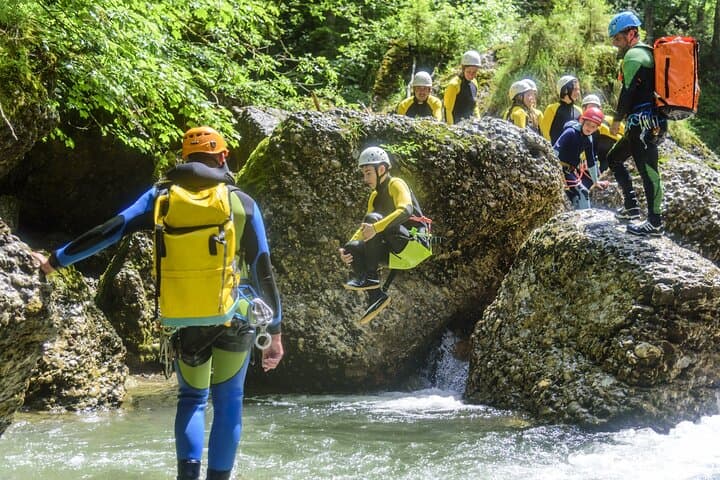
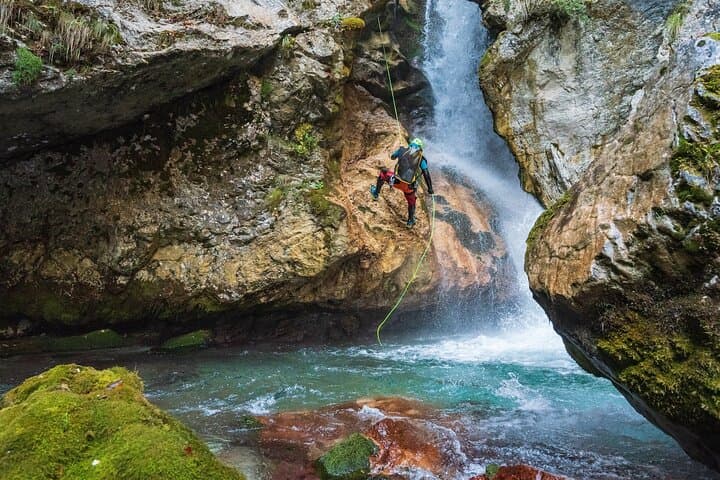
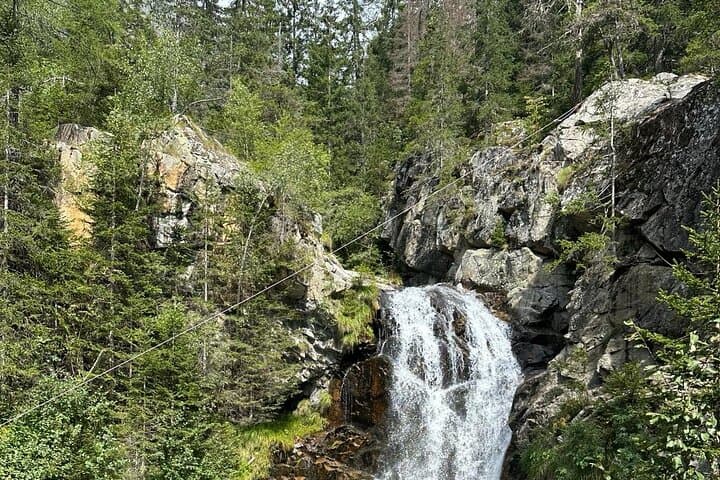
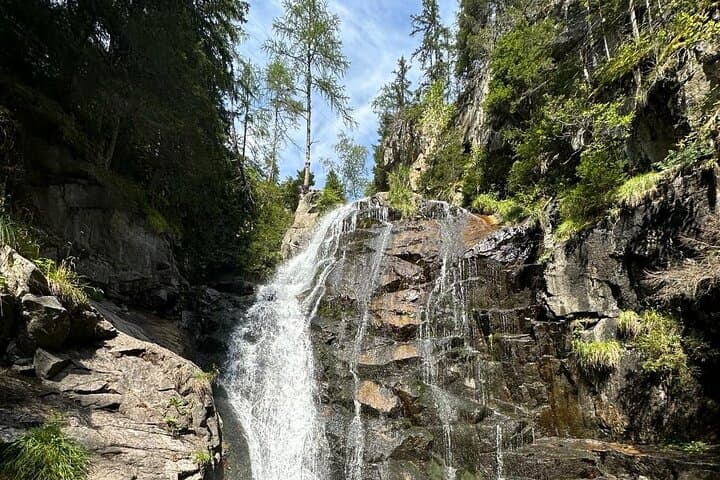
The group gathers on the park square in Chamonix, breath steaming in the cool alpine air, Mont Blanc a white wall above the valley. A guide lays out wetsuits and helmets like tools for a new language; the river below waits, dark and quick, daring you toward the canyon mouth. Within an hour the town’s cobbled hum is behind you and a fir-fringed track drops toward a cut of stone where water has been cutting since the last ice age. Rocks are wet, moss glows green, and the current pushes everyone forward — slide, swim, or step carefully where the guide points.
The group gathers on the park square in Chamonix, breath steaming in the cool alpine air, Mont Blanc a white wall above the valley. A guide lays out wetsuits and helmets like tools for a new language; the river below waits, dark and quick, daring you toward the canyon mouth. Within an hour the town’s cobbled hum is behind you and a fir-fringed track drops toward a cut of stone where water has been cutting since the last ice age. Rocks are wet, moss glows green, and the current pushes everyone forward — slide, swim, or step carefully where the guide points.
This canyoning route follows a narrow slice of the Mont Blanc massif where glaciers once gouged deep channels. The gorge’s geology is primarily pre-Alpine gneiss and granite, smoothed into chutes and plunge pools by millennia of meltwater. Chamonix’s identity as an Alpine playground goes back to early 19th-century mountaineers; canyoning is a modern expression of the same urge to move through steep terrain, only this time on water’s terms.
Local guides bring more than ropes: they bring knowledge of seasonal flows, safe jump spots, and how to read a canyon’s moods after rain. The descent is sensory — the slap of water on neoprene, the smell of wet stone, and intermittent wide views where firs step back to reveal ridgelines. Expect short swims, natural slides, and a few slides or controlled jumps into deep pools; the physical demands are steady but not extreme, and instructors adapt lines for beginners.
Practically: the outing lasts about 3–4 hours door-to-door. Meet at the Chamonix park square where pick-up by minibus is sometimes offered; guides supply complete canyoning equipment, safety briefing, and multilingual instruction. The provider advises that people with serious back problems, heart conditions, or pregnancy should not join. Good footwear, a swimsuit, and a small daypack are essential. Hydrate before the start and dress in quick-dry layers for the post-canyon changeover.
Timing matters. Late spring through early fall is the main season — spring brings higher, faster water from snowmelt; summer offers warmer pools but variable flows; autumn can be crisp and low. Weather can force cancellations for safety, so leave a flexible slot in your itinerary and book early during high season. Respect the canyon: avoid leaving gear or litter behind, listen to guides, and keep group sizes small — that preserves both safety and the quiet of this living landscape.
If you go, arrive curious and ready to move: the canyon rewards focus and a willingness to get wet. You’ll finish with mud-smeared knees, cooling adrenaline, and a new angle on Mont Blanc — not seen from a summit, but carved into the stone where water keeps the mountain moving.