THE ADVENTURE COLLECTIVE® · Independent discovery and booking for outdoor travel

Walk the streets that shaped English history with an audio guide that ties Canterbury’s cathedral, abbey and Roman routes into one 60–90 minute self-paced experience. Expect cobbles, riverside paths and hidden medieval engineering revealed through portable narration.
Walk the streets that shaped English history with an audio guide that ties Canterbury’s cathedral, abbey and Roman routes into one 60–90 minute self-paced experience. Expect cobbles, riverside paths and hidden medieval engineering revealed through portable narration.
Start at Christchurch Gate and the air feels threaded with centuries: cathedral bells puncture the modern hum while cobbles underfoot click with the rhythm of other centuries. The River Stour leans close in Westgate Gardens, its currents daring you to slow down and listen as the city reveals itself through narrow lanes, ruined walls and the quiet engineering of a medieval conduit house.
Verified experiences and guided adventures in the surrounding area.
Operated by VoiceMap Audio Tours · Canterbury, Kent
Start at Christchurch Gate and the air feels threaded with centuries: cathedral bells puncture the modern hum while cobbles underfoot click with the rhythm of other centuries. The River Stour leans close in Westgate Gardens, its currents daring you to slow down and listen as the city reveals itself through narrow lanes, ruined walls and the quiet engineering of a medieval conduit house.
Canterbury’s streets are a walk through layered history. Roman grid lines influenced early routes; the Norman cathedral and the foundations of St Augustine’s Abbey tell of medieval power and pilgrimage. Geologically, the city sits at the edge of the chalk North Downs and the Stour valley, where softer alluvial soils carve green corridors through stone. Local culture still orbits the cathedral: choir schools, market vendors and independent tea rooms keep daily life lived in public.
For a self-guided audio tour expect 60–90 minutes of steady walking on cobbles, short inclines and paved park paths. The route visits Christchurch Gate, Pound Lane, Mill Lane, Dane John Mound and finishes at St Augustine’s Conduit House; admission to interiors is not included. Practical planning: download the app and offline maps, wear comfortable shoes with grip for wet stone, and time the walk for early morning or late afternoon to avoid crowds and services hours. Respect active worship at St Martin’s and the Cathedral precinct; keep noise low and follow signage.
This is an easy, walkable slice of English history—precise enough for practical planning, vivid enough to place you inside the streets that shaped a nation.
easy.
1–1.5 hours.
Suitable for most fitness levels; requires basic mobility to manage cobbles, low steps, and short slopes.
This is a self-guided audio tour delivered via app—there’s no live guide, so you control pace and timing.
No: the audio tour guides you past and explains these UNESCO sites, but admissions to interiors or special exhibitions are not included.
Many streets are paved but include cobbles and some narrow passages; accessibility varies—check specific locations and plan alternate routes where needed.
The tour begins at Christchurch Gate beside Canterbury Cathedral and finishes at St Augustine’s Conduit House in the city; the app provides precise start directions.
Canterbury is a layered heritage site: Roman streets underlie a medieval pilgrimage destination defined by Canterbury Cathedral, St Augustine’s Abbey and St Martin’s Church — all part of a UNESCO World Heritage listing.
Protect river banks and green spaces by sticking to paths and disposing of waste; local charities work to maintain Westgate Gardens and the Stour’s water quality.
VoiceMap Audio Tours operates guided outdoor trips and adventures with an emphasis on safety, stewardship, and memorable experiences.
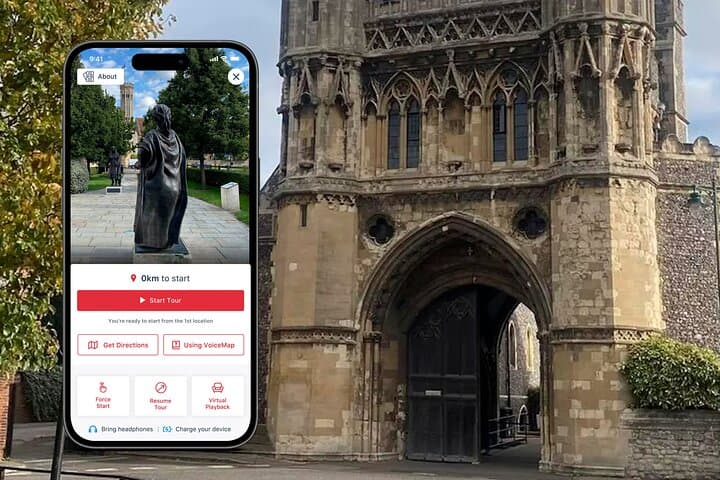
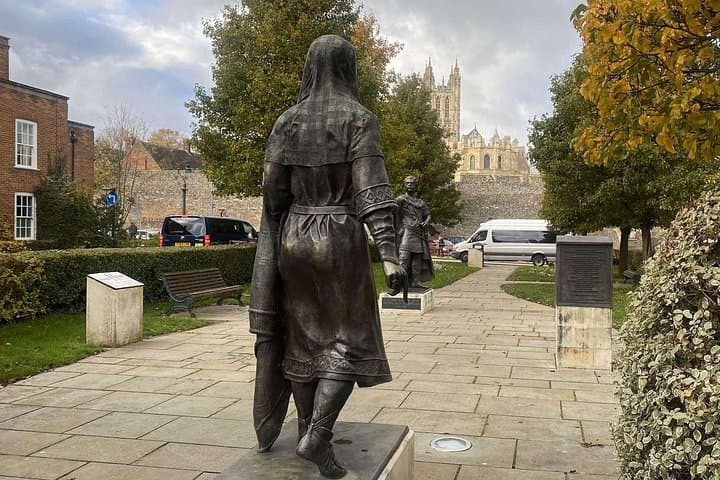

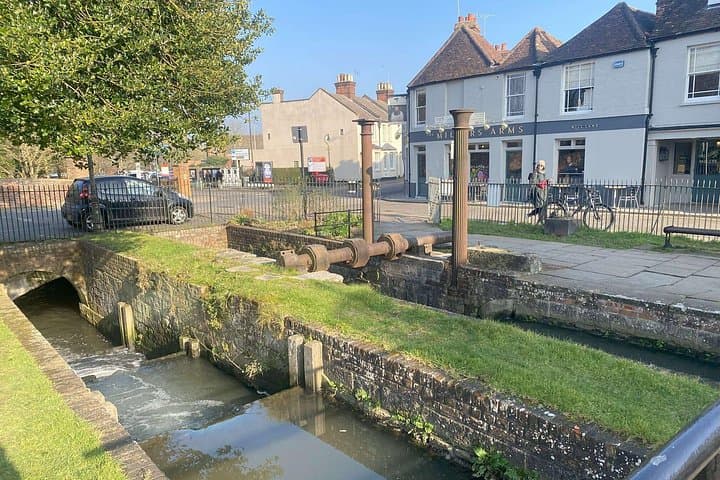
Start at Christchurch Gate and the air feels threaded with centuries: cathedral bells puncture the modern hum while cobbles underfoot click with the rhythm of other centuries. The River Stour leans close in Westgate Gardens, its currents daring you to slow down and listen as the city reveals itself through narrow lanes, ruined walls and the quiet engineering of a medieval conduit house.
Start at Christchurch Gate and the air feels threaded with centuries: cathedral bells puncture the modern hum while cobbles underfoot click with the rhythm of other centuries. The River Stour leans close in Westgate Gardens, its currents daring you to slow down and listen as the city reveals itself through narrow lanes, ruined walls and the quiet engineering of a medieval conduit house.
Canterbury’s streets are a walk through layered history. Roman grid lines influenced early routes; the Norman cathedral and the foundations of St Augustine’s Abbey tell of medieval power and pilgrimage. Geologically, the city sits at the edge of the chalk North Downs and the Stour valley, where softer alluvial soils carve green corridors through stone. Local culture still orbits the cathedral: choir schools, market vendors and independent tea rooms keep daily life lived in public.
For a self-guided audio tour expect 60–90 minutes of steady walking on cobbles, short inclines and paved park paths. The route visits Christchurch Gate, Pound Lane, Mill Lane, Dane John Mound and finishes at St Augustine’s Conduit House; admission to interiors is not included. Practical planning: download the app and offline maps, wear comfortable shoes with grip for wet stone, and time the walk for early morning or late afternoon to avoid crowds and services hours. Respect active worship at St Martin’s and the Cathedral precinct; keep noise low and follow signage.
This is an easy, walkable slice of English history—precise enough for practical planning, vivid enough to place you inside the streets that shaped a nation.