THE ADVENTURE COLLECTIVE® · Independent discovery and booking for outdoor travel

Walk a high jungle bridge above rescued elephants and learn their stories at Phuket’s first ethical sanctuary. This 90‑minute program combines wildlife observation, conservation education and accessible trails—ideal for travelers who want a responsible, close‑to‑nature encounter.
Walk a high jungle bridge above rescued elephants and learn their stories at Phuket’s first ethical sanctuary. This 90‑minute program combines wildlife observation, conservation education and accessible trails—ideal for travelers who want a responsible, close‑to‑nature encounter.
You step onto the 500‑metre canopy walkway and the jungle opens beneath your feet: palms and dipterocarp trees frame a slow, muddy stream where elephants amble, flap their ears and nudge each other with curious trunks. Sunlight fractures through the leaves; the air smells of wet earth and citrus from distant orchards.
Verified experiences and guided adventures in the surrounding area.
Operated by Phuket Elephant Sanctuary · Thalang, Phuket
You step onto the 500‑metre canopy walkway and the jungle opens beneath your feet: palms and dipterocarp trees frame a slow, muddy stream where elephants amble, flap their ears and nudge each other with curious trunks. Sunlight fractures through the leaves; the air smells of wet earth and citrus from distant orchards.
The sanctuary was created as Phuket’s first accredited ethical elephant refuge, buying and retiring working animals to a final home where they can bathe, forage and socialize without performance demands. Geologically, the site sits on the northern granite uplands that give way to richer alluvial soils—conditions that support dense lowland rainforest and the freshwater springs the elephants favor.
Local culture respects the animals as part of the island’s rural fabric: mahouts who once worked elephants in tourism or logging now help with care and storytelling, and guides explain each elephant’s rescue history and medical needs. National Geographic, Lonely Planet and The Guardian have praised the sanctuary’s non‑contact, observation‑based approach.
Practically, the program is a 90‑minute guided experience best taken in the cooler morning or late afternoon session. Wear sturdy, closed‑toe shoes, bring a refillable bottle and insect repellent, and expect short, level walks and several standing observation points. Photography is allowed but loud noises and feeding are not—this is an observation and welfare program, not an interactive circus.
If you go, arrive with patience: much of the magic is quiet—watching an elephant choose a pool or trail through ferns—and understand your visit funds veterinary care and lifetime sanctuary for the animals.
easy.
1.5 hours.
Suitable for most visitors; minimal walking and several seated/standing viewpoints make it accessible to those with limited mobility.
The guided program runs approximately 90 minutes and includes guided observations, a short walk across the canopy walkway and time at the snack bar afterward.
No—this sanctuary follows a non‑contact policy to prioritize elephant welfare; observation only is allowed and feeding is handled by staff.
Yes; the sanctuary reports wheelchair‑accessible surfaces and transportation options, though some observation points may be best reached with assistance.
Yes; the program is family‑friendly and suitable for children, with infant seats and stroller access noted in the facility information.
The sanctuary was established to retire elephants from logging and entertainment; it focuses on lifelong care, veterinary treatment and education.
Visits fund veterinary care and habitat maintenance; the sanctuary emphasizes non‑contact observation and waste reduction to minimize visitor impact.
Phuket Elephant Sanctuary operates guided outdoor trips and adventures with an emphasis on safety, stewardship, and memorable experiences.
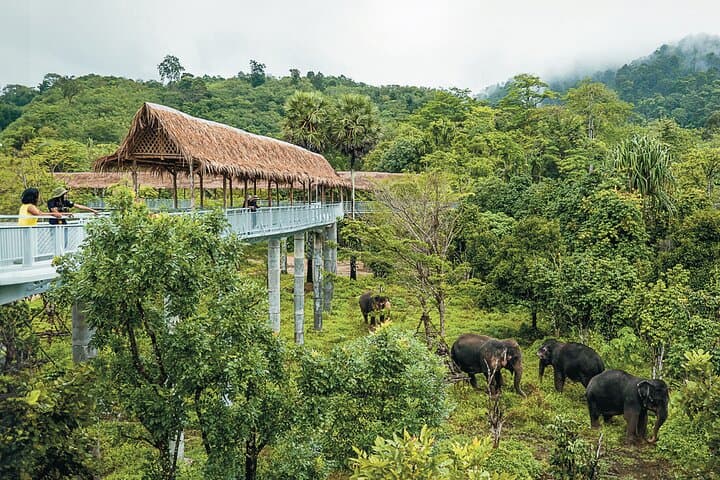
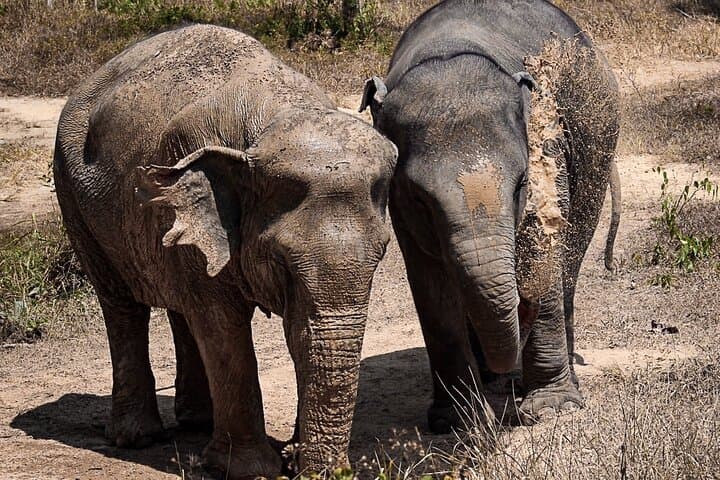
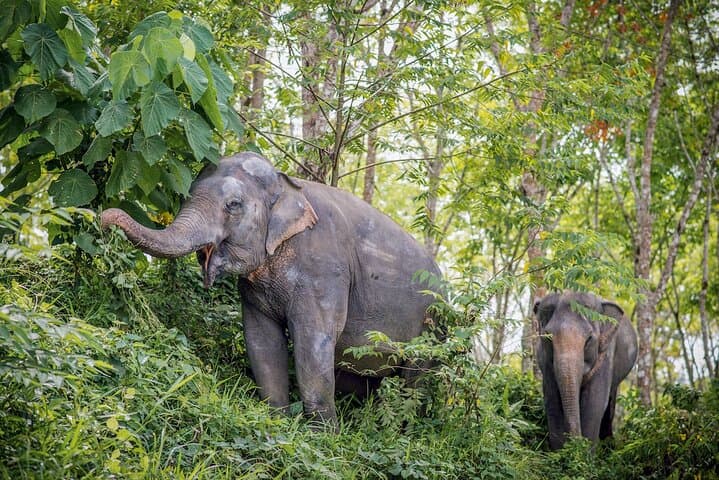
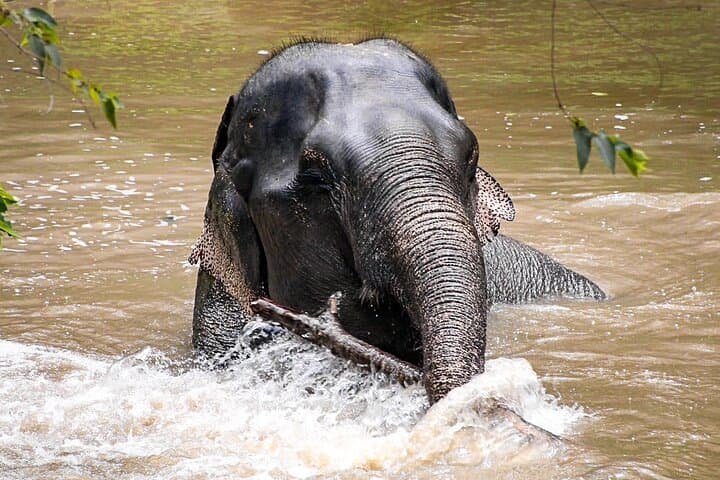
You step onto the 500‑metre canopy walkway and the jungle opens beneath your feet: palms and dipterocarp trees frame a slow, muddy stream where elephants amble, flap their ears and nudge each other with curious trunks. Sunlight fractures through the leaves; the air smells of wet earth and citrus from distant orchards.
You step onto the 500‑metre canopy walkway and the jungle opens beneath your feet: palms and dipterocarp trees frame a slow, muddy stream where elephants amble, flap their ears and nudge each other with curious trunks. Sunlight fractures through the leaves; the air smells of wet earth and citrus from distant orchards.
The sanctuary was created as Phuket’s first accredited ethical elephant refuge, buying and retiring working animals to a final home where they can bathe, forage and socialize without performance demands. Geologically, the site sits on the northern granite uplands that give way to richer alluvial soils—conditions that support dense lowland rainforest and the freshwater springs the elephants favor.
Local culture respects the animals as part of the island’s rural fabric: mahouts who once worked elephants in tourism or logging now help with care and storytelling, and guides explain each elephant’s rescue history and medical needs. National Geographic, Lonely Planet and The Guardian have praised the sanctuary’s non‑contact, observation‑based approach.
Practically, the program is a 90‑minute guided experience best taken in the cooler morning or late afternoon session. Wear sturdy, closed‑toe shoes, bring a refillable bottle and insect repellent, and expect short, level walks and several standing observation points. Photography is allowed but loud noises and feeding are not—this is an observation and welfare program, not an interactive circus.
If you go, arrive with patience: much of the magic is quiet—watching an elephant choose a pool or trail through ferns—and understand your visit funds veterinary care and lifetime sanctuary for the animals.