THE ADVENTURE COLLECTIVE® · Independent discovery and booking for outdoor travel

Depart Lima overnight and witness the Ocucaje Desert’s fossil-rich strata, dramatic badlands and the palm-ringed Huacachina oasis. Finish with a Pisco Route tasting at Nietto Vineyard—an active day of geology, sand and local flavor.
Depart Lima overnight and witness the Ocucaje Desert’s fossil-rich strata, dramatic badlands and the palm-ringed Huacachina oasis. Finish with a Pisco Route tasting at Nietto Vineyard—an active day of geology, sand and local flavor.
The trip begins at night as minibuses thread out of Lima, headlights carving a path toward the desert where cliffs sleep under a broad sky.
Verified experiences and guided adventures in the surrounding area.
Operated by IZI PERU · Huacachina, Ica
The trip begins at night as minibuses thread out of Lima, headlights carving a path toward the desert where cliffs sleep under a broad sky.
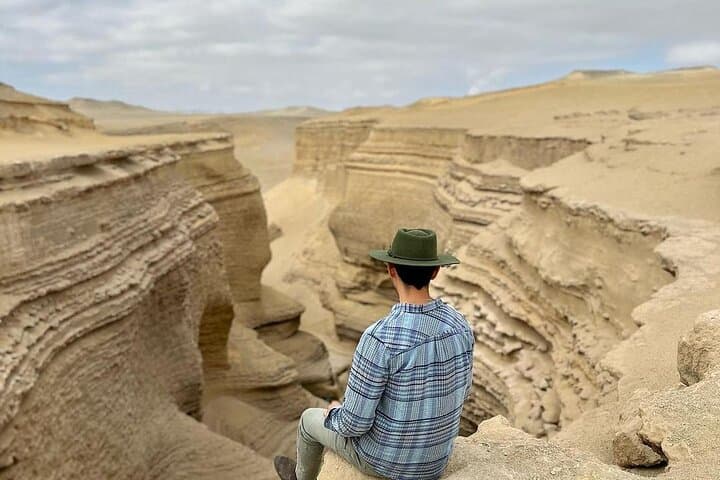
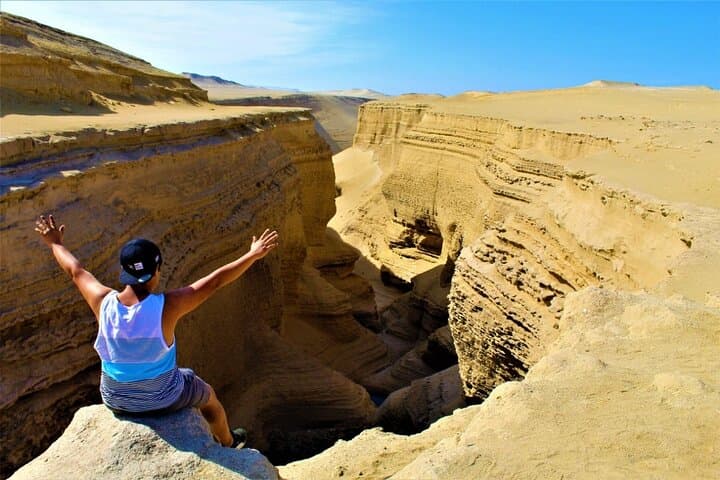
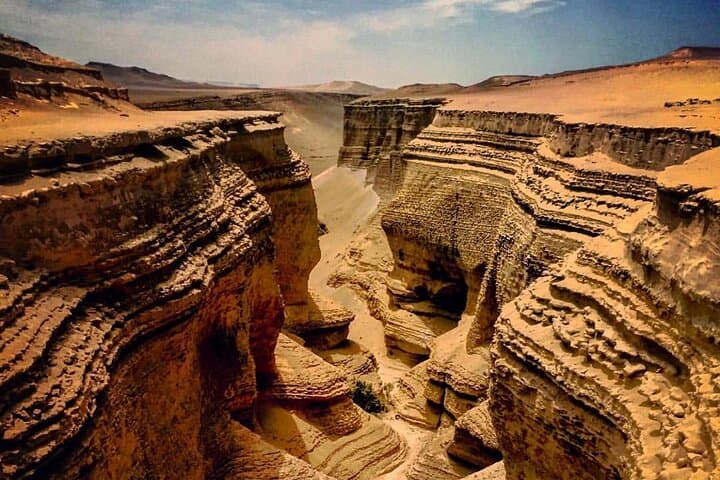
At dawn the Canyon de los Perdidos opens like an ancient book: layered badlands, wind-sculpted ridges and pockets of ochre and gray that trace millions of years of marine and fluvial deposition. The guide steps out to point at exposed strata and the fossil-bearing bands in the Ocucaje Desert—remnants of an inland sea that once covered this coast.
Cultural notes surface between stops: Apachetas, small stacked stones, mark a modern ritual practice left by travelers; Huacachina, the nearby oasis framed by palms and towering dunes, grew from an 18th-century legend of a stranded maiden and now serves as a cultural and recreational hub.
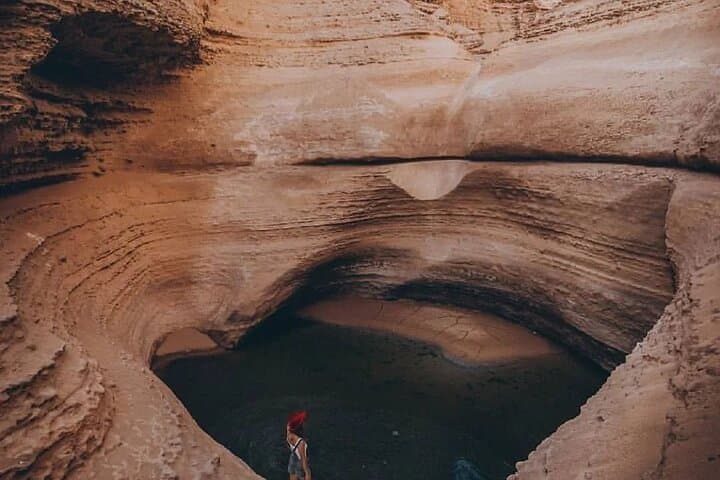
The itinerary balances geology and motion—short treks in sandy gullies, photo stops at the Magic Eye rock, a slow hour in Huacachina (optional buggies and sandboarding), then a late-afternoon tasting at Nietto Vineyard where coastal pisco and local vintages reflect Ica’s agricultural shift from ancient seabed to vineyards.
Practical guidance: bring sun protection, at least 2–3 liters of water, and sturdy shoes that can handle sand and loose shale. Expect long stretches of driving and intermittent walking on uneven terrain; the tour asks for a high fitness level. Plan for early darkness on return and keep phones and cameras charged—light changes fast against the desert cliffs. This route rewards those who want geology, active desert time, and a taste of southern Peruvian viticulture in one extended day.
challenging.
24 hours.
Participants should be in good to very good aerobic shape—tour includes sustained walking on sand and uneven ground and long travel periods.
The full experience runs about 24 hours with an overnight departure from Lima—expect to leave late evening and return the following night.
Sandboarding and buggy rides in Huacachina are optional activities available locally and are not typically included in the standard itinerary.
Yes—many outcrops in the Ocucaje Desert expose marine fossils; guides will point out notable layers, though delicate fossils should not be removed.
The tour usually includes a stop with free time for lunch in Huacachina; check specifics with the operator about included snacks or meals.
The Ocucaje region preserves sedimentary records from when the Pacific reached further inland; over time human settlement shifted these plains into agriculture and vineyards near Ica.
Trails cross fragile desert crust and fossil beds—stay on established routes, avoid removing fossils or rocks, and pack out all waste to protect this arid ecosystem.
IZI PERU operates guided outdoor trips and adventures with an emphasis on safety, stewardship, and memorable experiences.
The trip begins at night as minibuses thread out of Lima, headlights carving a path toward the desert where cliffs sleep under a broad sky.
The trip begins at night as minibuses thread out of Lima, headlights carving a path toward the desert where cliffs sleep under a broad sky.
At dawn the Canyon de los Perdidos opens like an ancient book: layered badlands, wind-sculpted ridges and pockets of ochre and gray that trace millions of years of marine and fluvial deposition. The guide steps out to point at exposed strata and the fossil-bearing bands in the Ocucaje Desert—remnants of an inland sea that once covered this coast.
Cultural notes surface between stops: Apachetas, small stacked stones, mark a modern ritual practice left by travelers; Huacachina, the nearby oasis framed by palms and towering dunes, grew from an 18th-century legend of a stranded maiden and now serves as a cultural and recreational hub.
The itinerary balances geology and motion—short treks in sandy gullies, photo stops at the Magic Eye rock, a slow hour in Huacachina (optional buggies and sandboarding), then a late-afternoon tasting at Nietto Vineyard where coastal pisco and local vintages reflect Ica’s agricultural shift from ancient seabed to vineyards.
Practical guidance: bring sun protection, at least 2–3 liters of water, and sturdy shoes that can handle sand and loose shale. Expect long stretches of driving and intermittent walking on uneven terrain; the tour asks for a high fitness level. Plan for early darkness on return and keep phones and cameras charged—light changes fast against the desert cliffs. This route rewards those who want geology, active desert time, and a taste of southern Peruvian viticulture in one extended day.