THE ADVENTURE COLLECTIVE® · Independent discovery and booking for outdoor travel

Drift through Xochimilco’s living chinampas on a private canoe tour that blends Nahuatl traditions, seasonal chinampa produce, and a focused encounter with the endemic ajolote. Expect calm paddling, local storytelling, and a canal-side lunch made from fresh, organic ingredients.
Drift through Xochimilco’s living chinampas on a private canoe tour that blends Nahuatl traditions, seasonal chinampa produce, and a focused encounter with the endemic ajolote. Expect calm paddling, local storytelling, and a canal-side lunch made from fresh, organic ingredients.
You push off from a wooden embarcadero and the city noise thins to the lap of oars against water. Reeds brush the bow, and the canal opens into a patchwork of narrow waterways threaded between low, green islands — the chinampas — where farmers still tend plots in the shadow of an urban skyline.
Verified experiences and guided adventures in the surrounding area.
Operated by Mitote tours · Mexico City, Mexico City
You push off from a wooden embarcadero and the city noise thins to the lap of oars against water. Reeds brush the bow, and the canal opens into a patchwork of narrow waterways threaded between low, green islands — the chinampas — where farmers still tend plots in the shadow of an urban skyline.
This corridor is a remnant of the Valley of Mexico’s ancient lacustrine system. Chinampas are engineered raised beds dating to pre-Hispanic times: packed soil and vegetation built atop shallow lakebeds to create intensely productive plots. Xochimilco’s canals carry Nahua history, colonial-era water management, and present-day conservation challenges all at once.
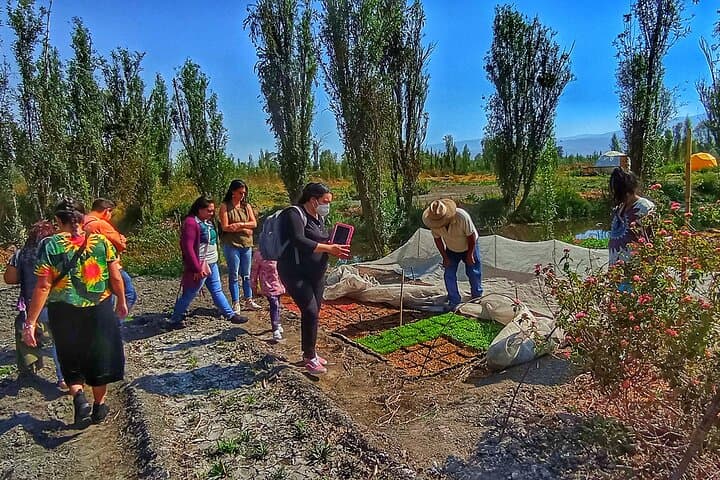
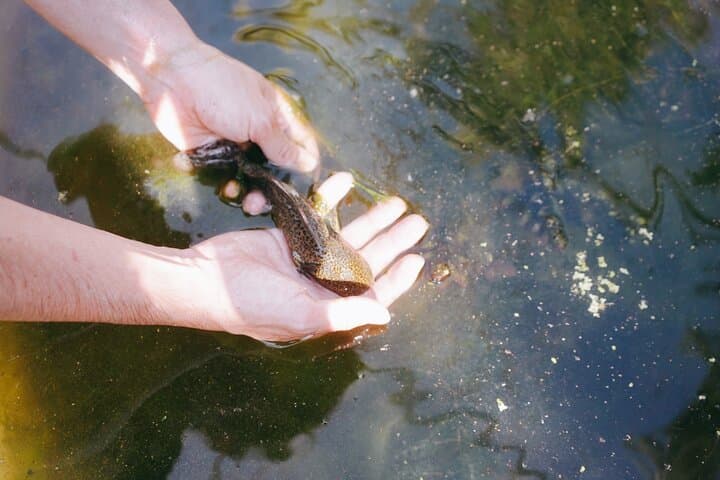
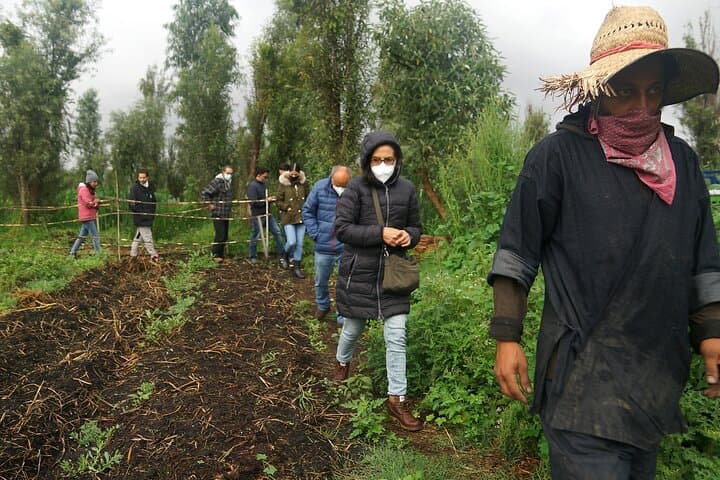
On this private canoe tour you move slowly, guided by local hosts who explain ancestral agronomy, Nahuatl-rooted rituals, and hands-on practices. The experience focuses on living culture — seasonal food prepared from chinampa produce, a Nahuatl-rooted ceremony, and a respectful presentation about the ajolote (axolotl), an endemic amphibian tied to the lake’s ecology.
Practical notes: the outing runs about 2–2.5 hours and is classified easy; it’s largely calm paddling with short walks between sites. Wear sun protection and stable shoes for stepping on muddy banks, bring drinking water and small bills for local vendors. Photography is welcome but keep noise low around wildlife; if ajolotes are present, hosts will guide viewing etiquette.
This trip pairs cultural literacy with close-up ecology — a slow, informative paddle where paddles mark time and the landscape quietly insists on its history and fragility.
easy.
2–2.5 hours.
Suitable for participants in average physical condition; involves short, gentle paddling and brief shoreline walks.
The tour description promises a sighting as part of a respectful, guided presentation; guides will position you for the best chance but sightings depend on conditions and animal behavior.
The operator notes stroller accessibility for infants and small children, though expect some muddy banks and boat steps where assistance may be needed.
Xochimilco is a south-side borough accessible by taxi, ride-share, or public transit (trains + buses); allow 45–90 minutes from central neighborhoods depending on traffic.
Yes — the experience includes a seasonal, largely vegetarian lunch and vegan options are available with advance notice.
Xochimilco preserves pre-Hispanic chinampa agriculture developed by Nahua peoples and later integrated into colonial water systems; the canals are part of a UNESCO World Heritage landscape.
The area faces water quality and habitat pressures; responsible tours emphasize low-impact viewing, support for local farming, and education about ajolote conservation.
Mitote tours operates guided outdoor trips and adventures with an emphasis on safety, stewardship, and memorable experiences.
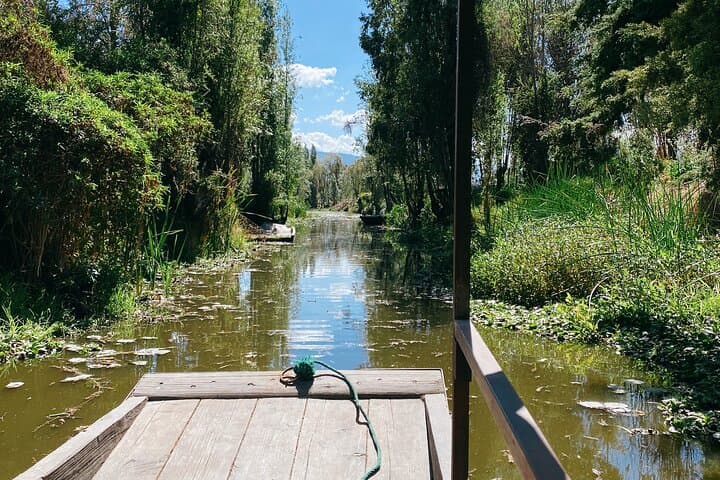
You push off from a wooden embarcadero and the city noise thins to the lap of oars against water. Reeds brush the bow, and the canal opens into a patchwork of narrow waterways threaded between low, green islands — the chinampas — where farmers still tend plots in the shadow of an urban skyline.
You push off from a wooden embarcadero and the city noise thins to the lap of oars against water. Reeds brush the bow, and the canal opens into a patchwork of narrow waterways threaded between low, green islands — the chinampas — where farmers still tend plots in the shadow of an urban skyline.
This corridor is a remnant of the Valley of Mexico’s ancient lacustrine system. Chinampas are engineered raised beds dating to pre-Hispanic times: packed soil and vegetation built atop shallow lakebeds to create intensely productive plots. Xochimilco’s canals carry Nahua history, colonial-era water management, and present-day conservation challenges all at once.
On this private canoe tour you move slowly, guided by local hosts who explain ancestral agronomy, Nahuatl-rooted rituals, and hands-on practices. The experience focuses on living culture — seasonal food prepared from chinampa produce, a Nahuatl-rooted ceremony, and a respectful presentation about the ajolote (axolotl), an endemic amphibian tied to the lake’s ecology.
Practical notes: the outing runs about 2–2.5 hours and is classified easy; it’s largely calm paddling with short walks between sites. Wear sun protection and stable shoes for stepping on muddy banks, bring drinking water and small bills for local vendors. Photography is welcome but keep noise low around wildlife; if ajolotes are present, hosts will guide viewing etiquette.
This trip pairs cultural literacy with close-up ecology — a slow, informative paddle where paddles mark time and the landscape quietly insists on its history and fragility.