THE ADVENTURE COLLECTIVE® · Independent discovery and booking for outdoor travel

Paddle calm estuarine channels on Sedgefield Lagoon, a bird-rich slice of the Garden Route. This self-guided canoe experience pairs easy launches with big wildlife moments and a post-paddle drink at Oysters Edge.
Paddle calm estuarine channels on Sedgefield Lagoon, a bird-rich slice of the Garden Route. This self-guided canoe experience pairs easy launches with big wildlife moments and a post-paddle drink at Oysters Edge.
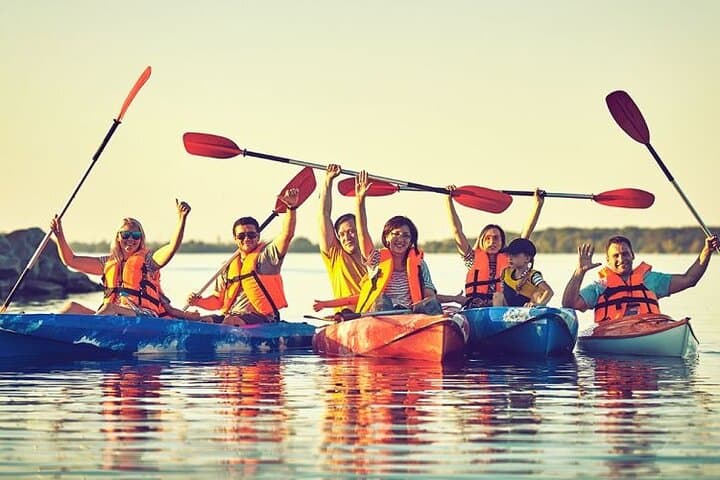
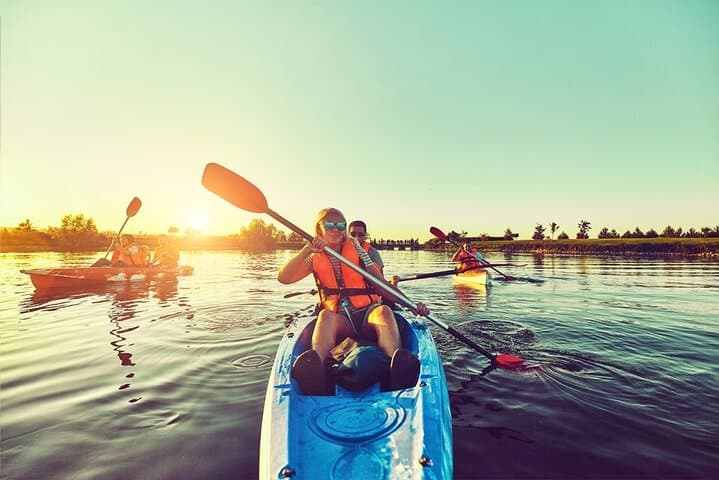
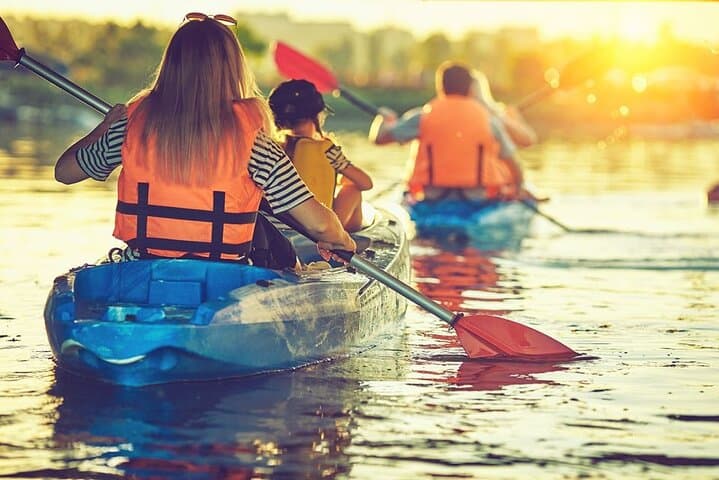
The canoe slips forward with a soft scrape, reeds giving way like a curtain. Water mirrors the low hills of the Garden Route while a kingfisher darts past, a bright slash against sky. Paddlers move deliberately, carving quiet routes through channels where the lagoon breathes—tide pulling at the reeds, wind tracing ripples that ask you to pay attention.
Verified experiences and guided adventures in the surrounding area.
Operated by WildX Adventures (Cape Town) · Sedgefield, Western Cape
The canoe slips forward with a soft scrape, reeds giving way like a curtain. Water mirrors the low hills of the Garden Route while a kingfisher darts past, a bright slash against sky. Paddlers move deliberately, carving quiet routes through channels where the lagoon breathes—tide pulling at the reeds, wind tracing ripples that ask you to pay attention.
This estuary is part of a chain of coastal lagoons carved by fluctuating sea levels and river sediment over millennia. Indigenous Khoisan people and later colonial settlers used these waterways for food and transport; today small communities and the Oysters Edge restaurant sit along the shore, evidence of a working coastline that also supports wildlife.
Geology here is gentle—sandy banks, marsh peat and sheltered channels rather than steep cliffs—making the lagoon ideal for novice paddlers. Birdlife is the headline act: African fish eagles call from high perches, herons stalk the shallows, and reed-dwelling kingfishers flash color from branches. The water itself is lively, with estuarine fish and occasional otter tracks along the mud.
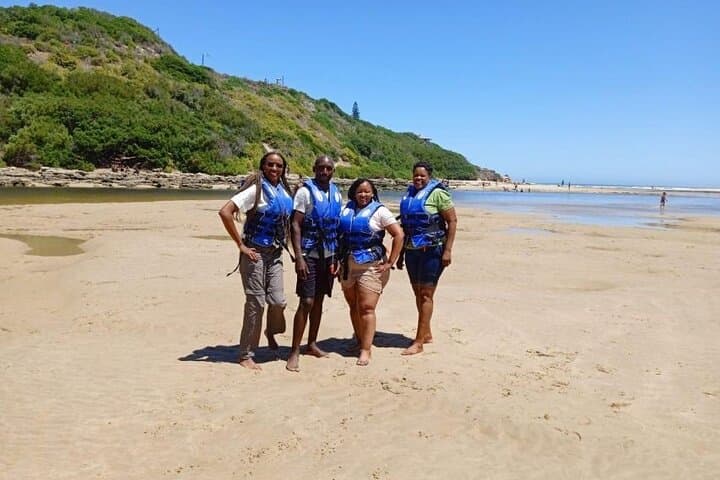
Practical guidance: launches are easy from marked shore points; life jackets and single kayaks are provided. Expect about two hours on the water—bring sun protection, insect repellent and a dry bag for valuables. Wind can turn a calm paddle into steady work; aim for morning or late afternoon when thermal winds are weakest. Finish ashore with the included cool drink or local wine at Oysters Edge and you’ll leave with a clearer sense of why these lagoons matter—both for people and for the birds that depend on them.
moderate.
2 hours.
Moderate fitness; able to paddle continuously for short bursts and get in/out of a kayak from a shoreline.
No—this is self-guided but aimed at paddlers with basic fitness; instructors will orient you to the boat and safety procedures.
Single kayaks, paddles, life jackets and one cool drink (water, beer or glass of wine) at Oysters Edge are included.
Children may join but organizers will assess weight and ability when assigning equipment; bookings collect ages and weights for safety.
Full refund if canceled at least 24 hours prior; trips may be canceled for bad weather or insufficient travelers.
The lagoon is part of the Garden Route’s chain of estuaries shaped by millennia of sea-level change; local communities have long relied on these waters for food and transport.
Estuaries are sensitive—avoid trampling reedbeds, carry out all waste, and follow local guidance to minimize disturbance to nesting birds and fish habitat.
WildX Adventures (Cape Town) operates guided outdoor trips and adventures with an emphasis on safety, stewardship, and memorable experiences.
The canoe slips forward with a soft scrape, reeds giving way like a curtain. Water mirrors the low hills of the Garden Route while a kingfisher darts past, a bright slash against sky. Paddlers move deliberately, carving quiet routes through channels where the lagoon breathes—tide pulling at the reeds, wind tracing ripples that ask you to pay attention.
The canoe slips forward with a soft scrape, reeds giving way like a curtain. Water mirrors the low hills of the Garden Route while a kingfisher darts past, a bright slash against sky. Paddlers move deliberately, carving quiet routes through channels where the lagoon breathes—tide pulling at the reeds, wind tracing ripples that ask you to pay attention.
This estuary is part of a chain of coastal lagoons carved by fluctuating sea levels and river sediment over millennia. Indigenous Khoisan people and later colonial settlers used these waterways for food and transport; today small communities and the Oysters Edge restaurant sit along the shore, evidence of a working coastline that also supports wildlife.
Geology here is gentle—sandy banks, marsh peat and sheltered channels rather than steep cliffs—making the lagoon ideal for novice paddlers. Birdlife is the headline act: African fish eagles call from high perches, herons stalk the shallows, and reed-dwelling kingfishers flash color from branches. The water itself is lively, with estuarine fish and occasional otter tracks along the mud.
Practical guidance: launches are easy from marked shore points; life jackets and single kayaks are provided. Expect about two hours on the water—bring sun protection, insect repellent and a dry bag for valuables. Wind can turn a calm paddle into steady work; aim for morning or late afternoon when thermal winds are weakest. Finish ashore with the included cool drink or local wine at Oysters Edge and you’ll leave with a clearer sense of why these lagoons matter—both for people and for the birds that depend on them.