THE ADVENTURE COLLECTIVE® · Independent discovery and booking for outdoor travel

Float past cliffside châteaux and quiet swimming beaches on a canoe descent from Vitrac through the Dordogne valley. This accessible river route pairs easy paddling with medieval villages and rural riverside stops.
Float past cliffside châteaux and quiet swimming beaches on a canoe descent from Vitrac through the Dordogne valley. This accessible river route pairs easy paddling with medieval villages and rural riverside stops.
The river widens and the current gently invites you forward—paddles dip, sunlight strips gold across the water, and the limestone cliffs of the Dordogne line the horizon. Launching from Vitrac, a canoe descent here feels like a slow-motion reveal: village roofs peek between chestnut trees, châteaux crowd the hilltops, and quiet beaches appear where the bank flattens.
Verified experiences and guided adventures in the surrounding area.
Operated by CANOES LOISIRS · Vitrac, Dordogne
The river widens and the current gently invites you forward—paddles dip, sunlight strips gold across the water, and the limestone cliffs of the Dordogne line the horizon. Launching from Vitrac, a canoe descent here feels like a slow-motion reveal: village roofs peek between chestnut trees, châteaux crowd the hilltops, and quiet beaches appear where the bank flattens.
The Dordogne valley carries centuries of human story. Medieval fortresses and Renaissance manor houses were built to watch these waters; beneath them, the river carved soft limestone and left exposed shelves and caves. The floodplain supports vines and walnut groves and a culture of riverside markets and auberges that reward a mid-paddle stop.
Geology here is tactile—you’ll pass cliffs of oolitic limestone and sandy shoals where currents slow and swimmers gather. Birdlife is bold: kingfishers flash, herons stalk the shallows, and the occasional otter slips away like a rumor.
Practically, trips range from a two-hour float to a full-day or multiday shuttle between villages. Launch points in Vitrac and downstream put castles such as Castelnaud and Beynac within easy reach. Expect mellow currents, some shallow riffles, and frequent pull-outs for picnics and swims.
Bring layered sun protection, a dry box for phones, and shoes that grip wet rocks. Start early in summer to avoid heat and late-afternoon crowds. Guides provide vests, paddles, and a topo guide; even self-guided groups should brief on river etiquette and low-impact camping if staying overnight. The Dordogne by canoe rewards a steady, unhurried pace—let the river set the tempo.
easy.
2–6 hours.
Suitable for most fitness levels; basic endurance for paddling 2–6 hours and getting in/out of a canoe
No—this experience is suitable for beginners; guides provide basic instruction and vests, and stretches are generally calm.
Yes—many operators allow children and infants; check age or weight limits and request child-sized life vests when booking.
Options vary; many providers offer shuttle service for full-day descents, but confirm transport details when booking.
Yes—designated beaches and shallow banks are common stops for swimming; always check current strength and water depth before entering.
The Dordogne has long been a corridor for settlement; medieval fortifications and Renaissance homes were built to control river traffic and nearby trade routes.
Maintain low-impact practices: avoid disturbing nesting birds, pack out all trash, and use biodegradable products to protect the river’s ecology.
CANOES LOISIRS operates guided outdoor trips and adventures with an emphasis on safety, stewardship, and memorable experiences.
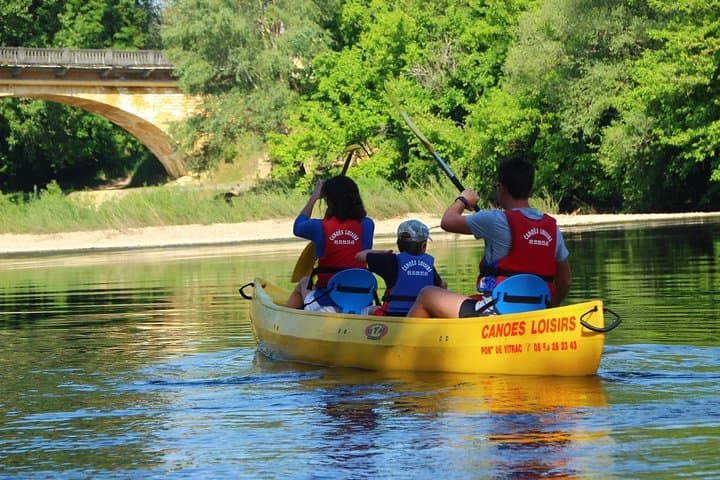
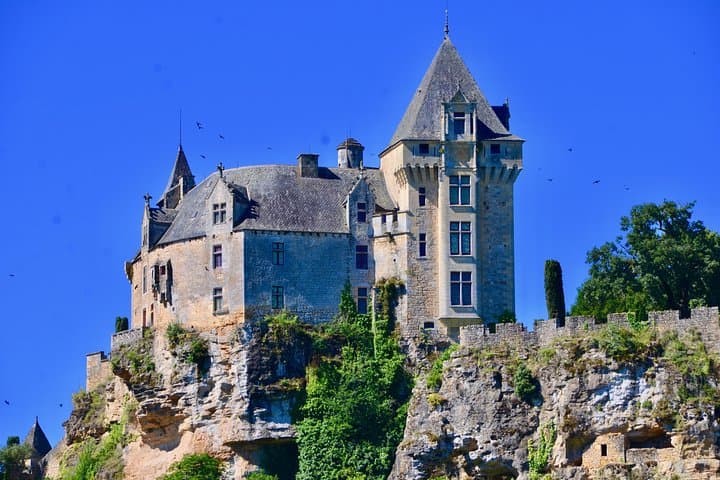
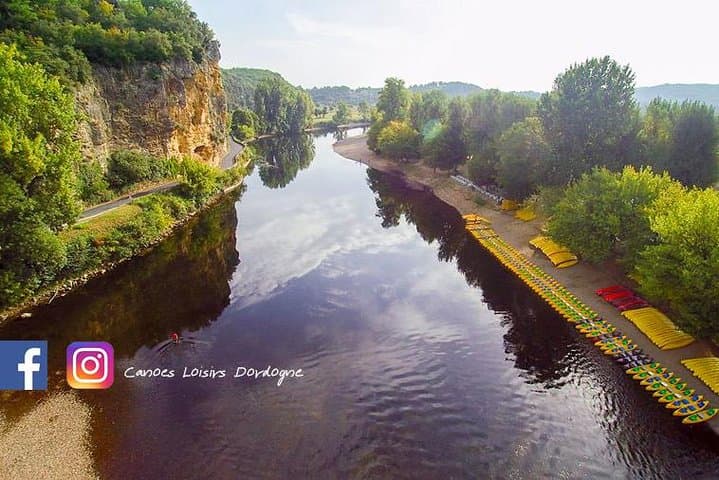
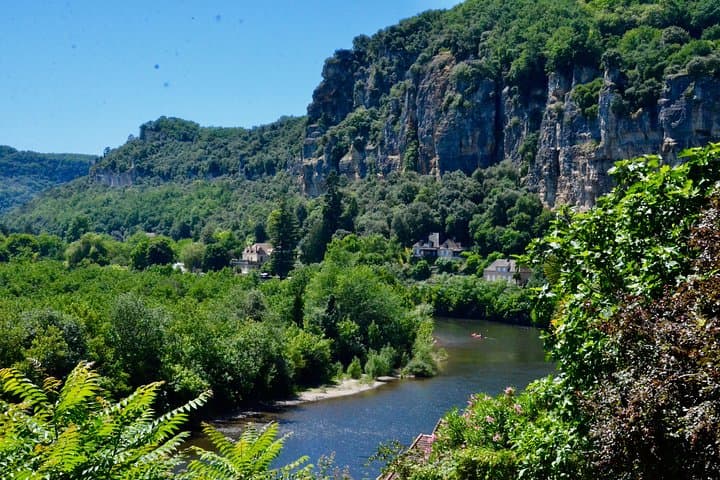
The river widens and the current gently invites you forward—paddles dip, sunlight strips gold across the water, and the limestone cliffs of the Dordogne line the horizon. Launching from Vitrac, a canoe descent here feels like a slow-motion reveal: village roofs peek between chestnut trees, châteaux crowd the hilltops, and quiet beaches appear where the bank flattens.
The river widens and the current gently invites you forward—paddles dip, sunlight strips gold across the water, and the limestone cliffs of the Dordogne line the horizon. Launching from Vitrac, a canoe descent here feels like a slow-motion reveal: village roofs peek between chestnut trees, châteaux crowd the hilltops, and quiet beaches appear where the bank flattens.
The Dordogne valley carries centuries of human story. Medieval fortresses and Renaissance manor houses were built to watch these waters; beneath them, the river carved soft limestone and left exposed shelves and caves. The floodplain supports vines and walnut groves and a culture of riverside markets and auberges that reward a mid-paddle stop.
Geology here is tactile—you’ll pass cliffs of oolitic limestone and sandy shoals where currents slow and swimmers gather. Birdlife is bold: kingfishers flash, herons stalk the shallows, and the occasional otter slips away like a rumor.
Practically, trips range from a two-hour float to a full-day or multiday shuttle between villages. Launch points in Vitrac and downstream put castles such as Castelnaud and Beynac within easy reach. Expect mellow currents, some shallow riffles, and frequent pull-outs for picnics and swims.
Bring layered sun protection, a dry box for phones, and shoes that grip wet rocks. Start early in summer to avoid heat and late-afternoon crowds. Guides provide vests, paddles, and a topo guide; even self-guided groups should brief on river etiquette and low-impact camping if staying overnight. The Dordogne by canoe rewards a steady, unhurried pace—let the river set the tempo.