THE ADVENTURE COLLECTIVE® · Independent discovery and booking for outdoor travel

Glide through Tortuguero’s quiet channels to see sloths, caimans and nesting beaches up close. This guided canoe trip blends local history, easy paddling and high wildlife density in a protected Caribbean wetland.
Glide through Tortuguero’s quiet channels to see sloths, caimans and nesting beaches up close. This guided canoe trip blends local history, easy paddling and high wildlife density in a protected Caribbean wetland.
A low, mist-soft morning lifts off the water as your canoe slips into a network of narrow channels. Reeds and mangrove roots lean close; the canal seems to watch and dare you to move quietly. The guide nudges the bow and the world tightens to birdsong, insect chatter and the slow blink of a river turtle.
Verified experiences and guided adventures in the surrounding area.
Operated by Tortuguero Tours Andrws · Tortuguero, Limón
A low, mist-soft morning lifts off the water as your canoe slips into a network of narrow channels. Reeds and mangrove roots lean close; the canal seems to watch and dare you to move quietly. The guide nudges the bow and the world tightens to birdsong, insect chatter and the slow blink of a river turtle.
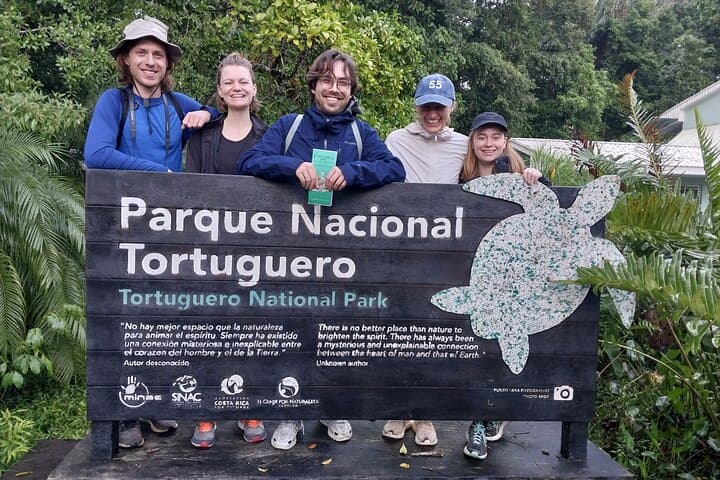
Tortuguero National Park sits on Costa Rica’s Caribbean coast, created in 1975 to protect crucial nesting beaches and a labyrinth of wetlands carved from alluvial sediments and coastal dunes. The park blends Afro‑Caribbean fishing villages, canal-fed rainforest, and beaches where leatherback and green turtles return each year. Geologically the area is young—flat coastal plains, peat and mangrove—not dramatic elevation but rich in waterborne complexity.
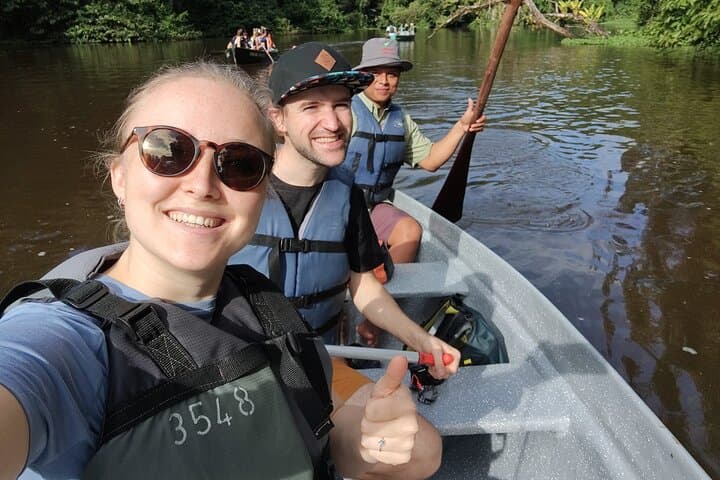
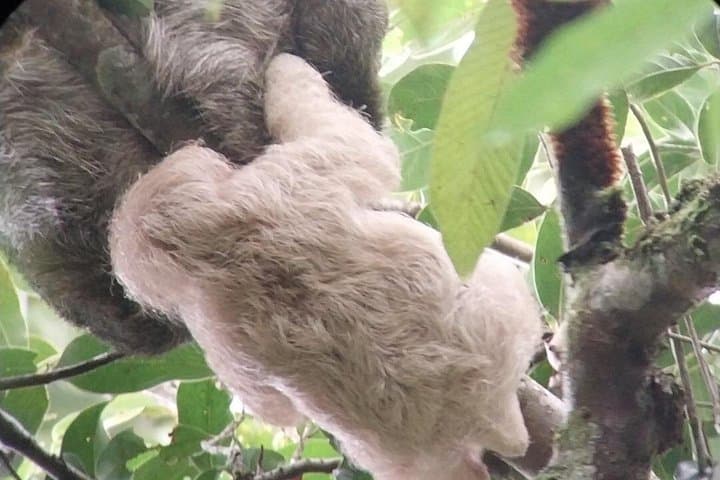
Canoeing here is intimate: you’ll paddle narrow waterways rather than open ocean, learning local history and traditional livelihoods while watching for caiman, sloths and riverbirds. Guides interpret seasonal movements—turtles, migratory birds and fish—in ways maps cannot.
Practical notes: tours are typically 2–3 hours and suited to most fitness levels; life vests and oars are provided. Wear quick-dry clothing, insect repellent and bring a dry bag for cameras. Morning trips maximize wildlife activity and reduce afternoon rain risk during the wet season. Respect nesting zones and keep noise low—this is a protected corridor.
The reward is not a summit but a sustained sense of place: channels that push you forward, mangroves that hold stories, and a simple, human rhythm of paddle, breathe, look.
easy.
2–3 hours.
Suitable for most people with basic mobility; brief paddling bursts and sitting required.
No—guided tours provide instruction and life vests; paddling is straightforward and suitable for beginners.
Many operators allow children but policies vary by age and weight; check with the provider and ensure proper life jacket fit.
Most visitors reach Tortuguero by boat transfer from nearby docks or by small plane; some public buses connect to launch points near Guápiles or Cariari followed by a boat ride.
Turtle nesting happens on coastal beaches at night; canal trips may include interpretation about turtles, but night beach tours are required to see nesting events.
Tortuguero’s park was established in 1975 to protect critical turtle nesting beaches and supports Afro‑Caribbean fishing communities with deep coastal traditions.
The park is sensitive—stay on designated routes, avoid leaving waste, and choose guides who support local conservation and community programs.
Tortuguero Tours Andrws operates guided outdoor trips and adventures with an emphasis on safety, stewardship, and memorable experiences.
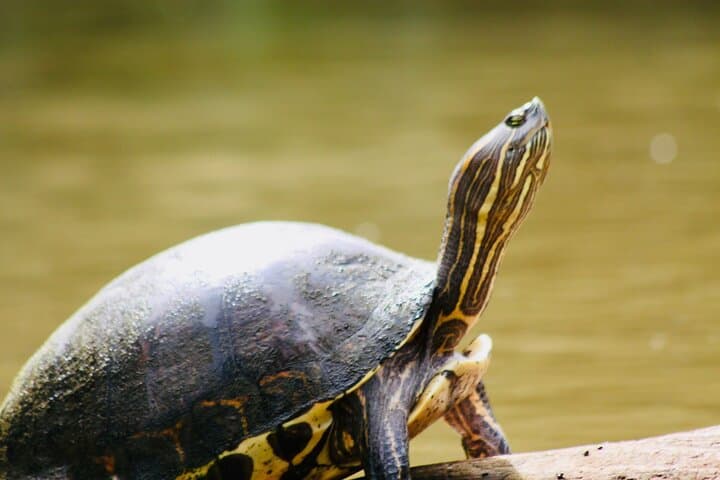
A low, mist-soft morning lifts off the water as your canoe slips into a network of narrow channels. Reeds and mangrove roots lean close; the canal seems to watch and dare you to move quietly. The guide nudges the bow and the world tightens to birdsong, insect chatter and the slow blink of a river turtle.
A low, mist-soft morning lifts off the water as your canoe slips into a network of narrow channels. Reeds and mangrove roots lean close; the canal seems to watch and dare you to move quietly. The guide nudges the bow and the world tightens to birdsong, insect chatter and the slow blink of a river turtle.
Tortuguero National Park sits on Costa Rica’s Caribbean coast, created in 1975 to protect crucial nesting beaches and a labyrinth of wetlands carved from alluvial sediments and coastal dunes. The park blends Afro‑Caribbean fishing villages, canal-fed rainforest, and beaches where leatherback and green turtles return each year. Geologically the area is young—flat coastal plains, peat and mangrove—not dramatic elevation but rich in waterborne complexity.
Canoeing here is intimate: you’ll paddle narrow waterways rather than open ocean, learning local history and traditional livelihoods while watching for caiman, sloths and riverbirds. Guides interpret seasonal movements—turtles, migratory birds and fish—in ways maps cannot.
Practical notes: tours are typically 2–3 hours and suited to most fitness levels; life vests and oars are provided. Wear quick-dry clothing, insect repellent and bring a dry bag for cameras. Morning trips maximize wildlife activity and reduce afternoon rain risk during the wet season. Respect nesting zones and keep noise low—this is a protected corridor.
The reward is not a summit but a sustained sense of place: channels that push you forward, mangroves that hold stories, and a simple, human rhythm of paddle, breathe, look.