THE ADVENTURE COLLECTIVE® · Independent discovery and booking for outdoor travel

Paddle a traditional canoe through Diani’s Kongo River estuary as the sun sinks and mangroves glow. This two‑hour sunset trip blends birdwatching, coastal geology, and local history on a quiet, engine‑free paddle.
Paddle a traditional canoe through Diani’s Kongo River estuary as the sun sinks and mangroves glow. This two‑hour sunset trip blends birdwatching, coastal geology, and local history on a quiet, engine‑free paddle.
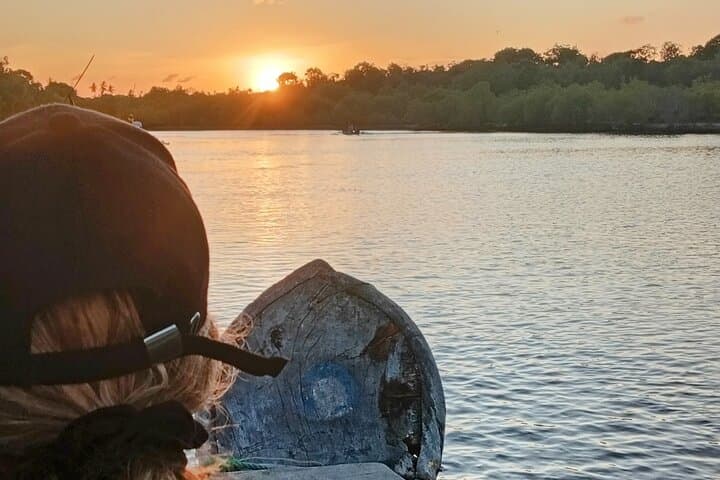
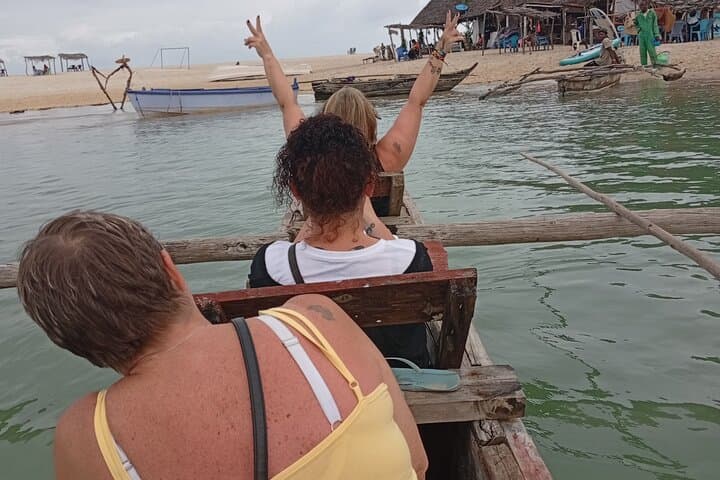
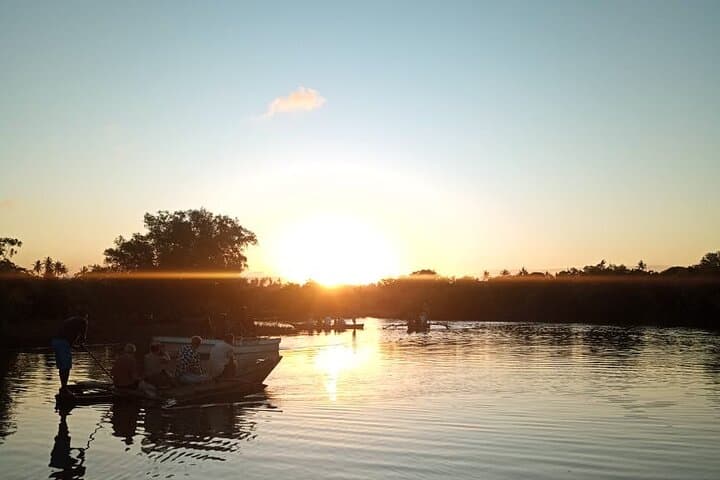
You step off a tuk‑tuk onto a strip of white sand at Diani’s northern tip and the river waits like a ribbon of glass threaded through mangroves. The guide leads you past Kongo Mosque, the low‑roofed community landmark, and into a narrow estuary where a traditional, human‑powered canoe slips quietly between palm roots and rising tides. As the sun drops, the water goes copper; the river seems to dare you to slow down and watch.
Verified experiences and guided adventures in the surrounding area.
Operated by Transfers and Tours · Diani Beach, Kwale County
You step off a tuk‑tuk onto a strip of white sand at Diani’s northern tip and the river waits like a ribbon of glass threaded through mangroves. The guide leads you past Kongo Mosque, the low‑roofed community landmark, and into a narrow estuary where a traditional, human‑powered canoe slips quietly between palm roots and rising tides. As the sun drops, the water goes copper; the river seems to dare you to slow down and watch.
This short voyage follows an estuary shaped by coastal processes: tidal exchange carving sandbars, mangrove roots trapping silt and creating nursery habitat. The area is part of the Swahili coast, where fishing and dhow trade shaped local culture and the mosque marks generations of coastal community life. Expect conversation about seasonal fisheries, bird migration, and how the river’s sandbanks shift with monsoon cycles.
Practically, the trip is low‑impact and accessible — steady sitting, minimal boarding steps, and no engines to break the calm. Bring layered sun protection, a light rain shell if you travel in the long rains, and a camera with a fast shutter for birds in twilight. The captain will point out feeding herons, kingfishers, and tell stories about local navigation and conservation efforts to protect mangroves and nesting shorebirds.
In short: two hours of slow paddling, birdwatching, coastal geology, and local history under a changing sky — an easy, sensory way to read the heartbeat of Diani’s shoreline before night falls.
easy.
2 hours.
Suitable for most fitness levels; you should be able to sit and steady yourself for up to two hours.
You typically meet at Kongo Mosque at Diani’s northern tip; the operator provides pickup within Diani by tuk‑tuk if requested.
No—the trip uses traditional, human‑powered canoes, so expect a quiet, low‑wake experience with no engine noise.
Yes—most ages can participate, but travelers who have trouble boarding small boats or with serious back/heart conditions should consult the operator first.
The estuary draws shorebirds and waterbirds—kingfishers and herons are common; sightings vary by season and tide.
Kongo Mosque and the surrounding settlements reflect centuries of Swahili coastal life—local navigation and small‑scale fishing have shaped this shoreline for generations.
Mangroves here are fragile nursery grounds; operators avoid engine use to reduce disturbance and many support local mangrove protection and community awareness.
Transfers and Tours operates guided outdoor trips and adventures with an emphasis on safety, stewardship, and memorable experiences.
You step off a tuk‑tuk onto a strip of white sand at Diani’s northern tip and the river waits like a ribbon of glass threaded through mangroves. The guide leads you past Kongo Mosque, the low‑roofed community landmark, and into a narrow estuary where a traditional, human‑powered canoe slips quietly between palm roots and rising tides. As the sun drops, the water goes copper; the river seems to dare you to slow down and watch.
You step off a tuk‑tuk onto a strip of white sand at Diani’s northern tip and the river waits like a ribbon of glass threaded through mangroves. The guide leads you past Kongo Mosque, the low‑roofed community landmark, and into a narrow estuary where a traditional, human‑powered canoe slips quietly between palm roots and rising tides. As the sun drops, the water goes copper; the river seems to dare you to slow down and watch.
This short voyage follows an estuary shaped by coastal processes: tidal exchange carving sandbars, mangrove roots trapping silt and creating nursery habitat. The area is part of the Swahili coast, where fishing and dhow trade shaped local culture and the mosque marks generations of coastal community life. Expect conversation about seasonal fisheries, bird migration, and how the river’s sandbanks shift with monsoon cycles.
Practically, the trip is low‑impact and accessible — steady sitting, minimal boarding steps, and no engines to break the calm. Bring layered sun protection, a light rain shell if you travel in the long rains, and a camera with a fast shutter for birds in twilight. The captain will point out feeding herons, kingfishers, and tell stories about local navigation and conservation efforts to protect mangroves and nesting shorebirds.
In short: two hours of slow paddling, birdwatching, coastal geology, and local history under a changing sky — an easy, sensory way to read the heartbeat of Diani’s shoreline before night falls.