THE ADVENTURE COLLECTIVE® · Independent discovery and booking for outdoor travel

Paddle into a restricted arm of Akan–Mashu National Park with an ornithologist and watch kingfishers and woodpeckers from a low-profile canoe. This guided 3-hour trip emphasizes quiet observation, local ecology, and safe access to fragile headwater channels.
Paddle into a restricted arm of Akan–Mashu National Park with an ornithologist and watch kingfishers and woodpeckers from a low-profile canoe. This guided 3-hour trip emphasizes quiet observation, local ecology, and safe access to fragile headwater channels.
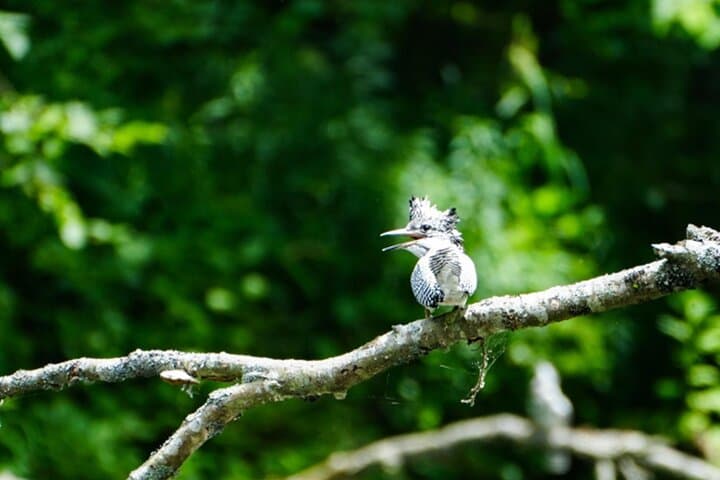
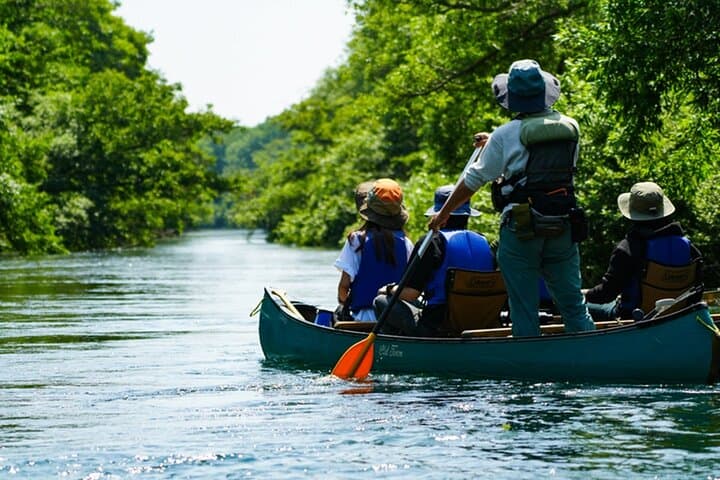
A flat, glassy channel parts the black trunks of alder and willow as the canoe slips forward; water lilies lift their pads and kingfishers flash like punctuation marks. This three-hour guided canoe takes you into a rarely visited arm of Akan–Mashu National Park to the headwaters of the Kushiro River, where the current is patient and the forest leans close.
Verified experiences and guided adventures in the surrounding area.
Operated by TRAPOL · Teshikaga, Hokkaido
A flat, glassy channel parts the black trunks of alder and willow as the canoe slips forward; water lilies lift their pads and kingfishers flash like punctuation marks. This three-hour guided canoe takes you into a rarely visited arm of Akan–Mashu National Park to the headwaters of the Kushiro River, where the current is patient and the forest leans close.
The park preserves volcanic caldera lakes and peat-rich wetlands formed after the region’s volcanic eruptions and long glacial history. Ainu place names and local stories still outline routes through marsh and lake; guides commonly weave natural history with cultural notes on sustainable use and past fishing practices.
On this outing an ornithologist points out vocal signatures and posture—how a woodpecker’s rhythm gives its species away, where kingfishers hunt, which channels hold migrant passerines. Geology shows in black basalt ledges, peat margins and soft, boggy banks where the river begins to gather itself.
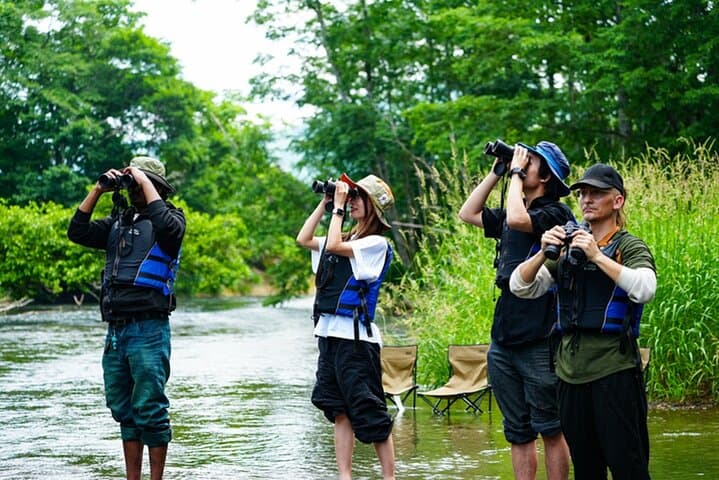
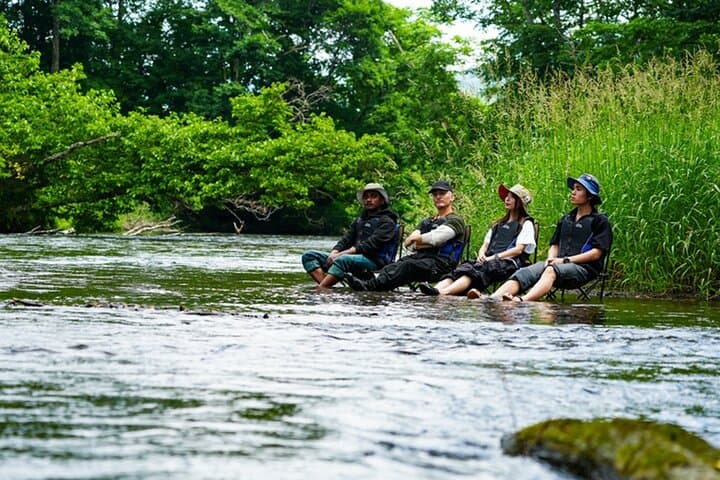
Expect intimate bird encounters from the canoe’s low profile: binoculars and a quiet attitude reward you with prolonged views rather than brief glimpses. Practicalities: dress in quiet, muted layers; bring rain protection and a lightweight dry bag for cameras. Guides handle navigation and safety, but paddling is required—most of the route is slow-moving water with occasional narrow channels and low overhangs.
Timing matters—early morning and late afternoon bring the most activity and softer light. Respect no-landing zones, follow guide instructions about wildlife distances, and leave electronics on low volume to keep this fragile river wild for those who follow.
easy.
3 hours.
Suitable for most fitness levels; participants should be able to sit and paddle intermittently for up to three hours.
No — guides provide basic instruction and the route is on slow-moving, sheltered water suitable for beginners.
Group sizes are limited; expect shared canoes with a small group and a guide—larger private bookings may be possible by arrangement.
Families are often welcome, but check minimum age and weight requirements with the operator; life jackets are provided.
Most operators offer transfers from nearby towns; the region is best accessed via Kushiro or Teshikaga by car or local shuttle—confirm pickup when booking.
Akan–Mashu National Park protects caldera lakes and wetlands formed by volcanic activity; the area also holds Ainu cultural ties to fisheries and lake resources.
The river headwaters are ecologically sensitive—stay in the canoe, avoid feeding wildlife, and follow guide rules to minimize disturbance and prevent the spread of invasive species.
TRAPOL operates guided outdoor trips and adventures with an emphasis on safety, stewardship, and memorable experiences.
A flat, glassy channel parts the black trunks of alder and willow as the canoe slips forward; water lilies lift their pads and kingfishers flash like punctuation marks. This three-hour guided canoe takes you into a rarely visited arm of Akan–Mashu National Park to the headwaters of the Kushiro River, where the current is patient and the forest leans close.
A flat, glassy channel parts the black trunks of alder and willow as the canoe slips forward; water lilies lift their pads and kingfishers flash like punctuation marks. This three-hour guided canoe takes you into a rarely visited arm of Akan–Mashu National Park to the headwaters of the Kushiro River, where the current is patient and the forest leans close.
The park preserves volcanic caldera lakes and peat-rich wetlands formed after the region’s volcanic eruptions and long glacial history. Ainu place names and local stories still outline routes through marsh and lake; guides commonly weave natural history with cultural notes on sustainable use and past fishing practices.
On this outing an ornithologist points out vocal signatures and posture—how a woodpecker’s rhythm gives its species away, where kingfishers hunt, which channels hold migrant passerines. Geology shows in black basalt ledges, peat margins and soft, boggy banks where the river begins to gather itself.
Expect intimate bird encounters from the canoe’s low profile: binoculars and a quiet attitude reward you with prolonged views rather than brief glimpses. Practicalities: dress in quiet, muted layers; bring rain protection and a lightweight dry bag for cameras. Guides handle navigation and safety, but paddling is required—most of the route is slow-moving water with occasional narrow channels and low overhangs.
Timing matters—early morning and late afternoon bring the most activity and softer light. Respect no-landing zones, follow guide instructions about wildlife distances, and leave electronics on low volume to keep this fragile river wild for those who follow.