THE ADVENTURE COLLECTIVE® · Independent discovery and booking for outdoor travel

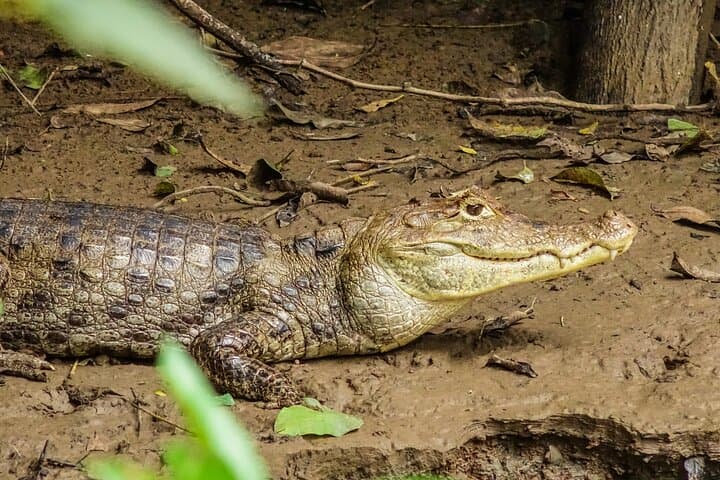
Glide narrow blackwater channels where herons, ibis and caimans line reedy banks. This full-day boat tour from La Fortuna visits Caño Negro Wildlife Refuge for close-up birding, riverside lunch, and accessible wetland ecology.
Glide narrow blackwater channels where herons, ibis and caimans line reedy banks. This full-day boat tour from La Fortuna visits Caño Negro Wildlife Refuge for close-up birding, riverside lunch, and accessible wetland ecology.
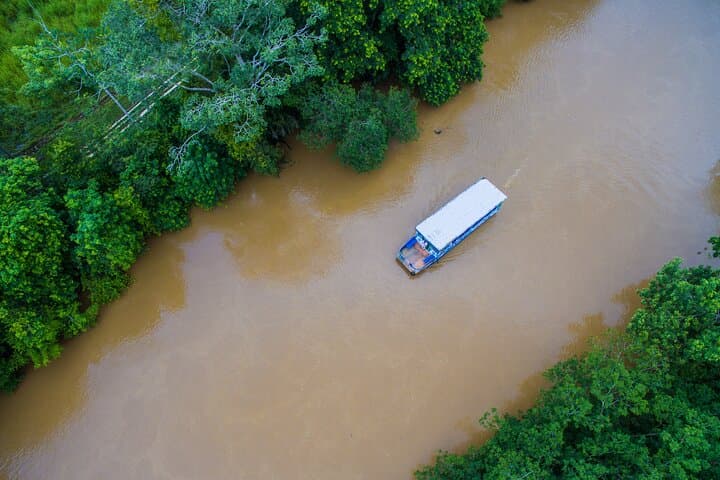
Morning mist lifts off the slow-moving channels as your boat slips from the riverbank — the air thick with insect song and the sharp call of kingfishers. Palms and cattails line a patchwork of black water and floating vegetation; far off, a howler monkey’s bark cuts through the stillness. This is Caño Negro, a seasonal wetland complex where boats are the only practical way to read the landscape.
Verified experiences and guided adventures in the surrounding area.
Operated by Jacamar Naturalist Tours · Los Chiles, Alajuela
Morning mist lifts off the slow-moving channels as your boat slips from the riverbank — the air thick with insect song and the sharp call of kingfishers. Palms and cattails line a patchwork of black water and floating vegetation; far off, a howler monkey’s bark cuts through the stillness. This is Caño Negro, a seasonal wetland complex where boats are the only practical way to read the landscape.
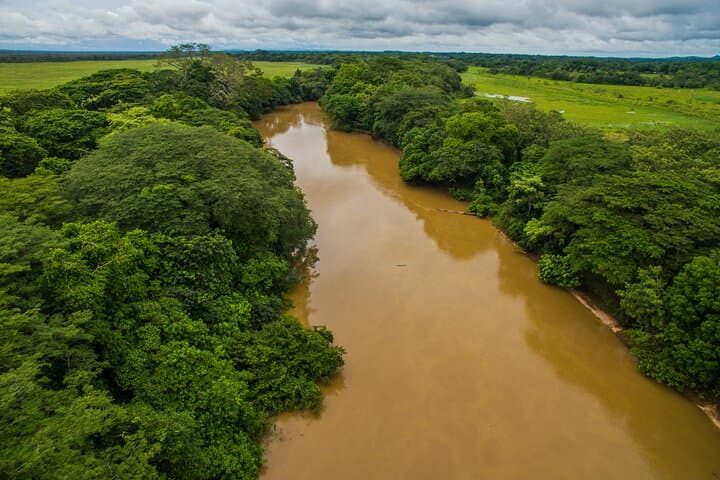
Formed by volcanic sediments and seasonal flood cycles of the Frío River, Caño Negro’s shallow lagoons expand and contract with the rains. The refuge has long been a crossroads for indigenous peoples and later settlers who fished and farmed the nutrient-rich floodplain. Today it’s protected for its birdlife — migratory shorebirds and resident herons — and for large concentrations of caimans and monkeys.
A typical day trip from La Fortuna runs 7–8 hours: a scenic drive north to Los Chiles, then a guided boat glide through channels where guides point out elusive species and explain local ecology. Midday brings a simple Costa Rican lunch on the riverbank — rice, beans, plantain and fresh fish or a vegetarian option. Expect easy walking at stops, lots of seated time, and photography opportunities from low, open boats.
Practical tips: bring waterproof binoculars, insect repellent, sun protection and a lightweight rain jacket. Mornings are coolest and most active for birds; high water in the rainy season changes access and sightlines. The tour is low-effort but rich in observation — ideal for birders and anyone who wants a close look at tropical wetland life.
easy.
7–8 hours.
Suitable for most fitness levels; mostly seated boat travel with short, flat walks at stops
The tour is about 7–8 hours door-to-door from La Fortuna and includes hotel pickup, guided boat ride, bottled water and a traditional Costa Rican lunch.
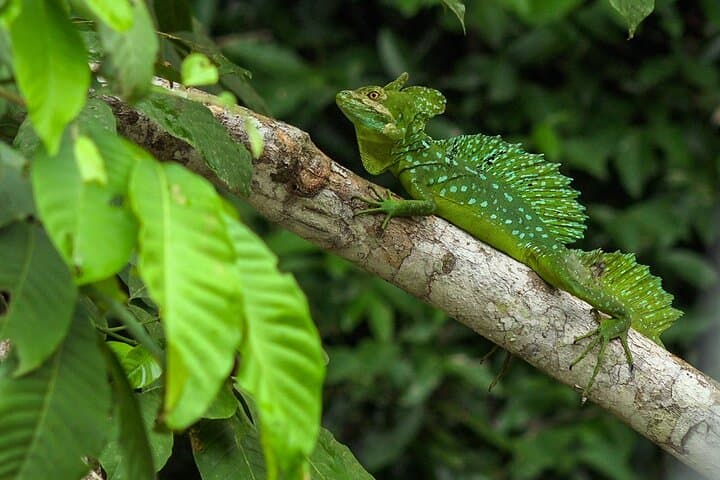
Common sightings include herons, egrets, roseate spoonbills, kingfishers, sloths, three species of monkeys and spectacled caimans, though sightings depend on season and water levels.
Yes; boats are stable and children are welcome when accompanied by adults; life jackets are provided for safety.
Heavy rain can alter access and visibility; the operator may cancel for bad weather and offers full refunds if canceled at least 24 hours before departure.
Caño Negro developed from riverine and volcanic sediments and has long supported subsistence fishing communities; it became a protected refuge to conserve vital migratory bird habitats.
Seasonal flooding shapes habitat; visitors can reduce impact by staying in designated areas, avoiding feeding wildlife, and following guide instructions to protect nesting birds.
Jacamar Naturalist Tours operates guided outdoor trips and adventures with an emphasis on safety, stewardship, and memorable experiences.
Morning mist lifts off the slow-moving channels as your boat slips from the riverbank — the air thick with insect song and the sharp call of kingfishers. Palms and cattails line a patchwork of black water and floating vegetation; far off, a howler monkey’s bark cuts through the stillness. This is Caño Negro, a seasonal wetland complex where boats are the only practical way to read the landscape.
Morning mist lifts off the slow-moving channels as your boat slips from the riverbank — the air thick with insect song and the sharp call of kingfishers. Palms and cattails line a patchwork of black water and floating vegetation; far off, a howler monkey’s bark cuts through the stillness. This is Caño Negro, a seasonal wetland complex where boats are the only practical way to read the landscape.
Formed by volcanic sediments and seasonal flood cycles of the Frío River, Caño Negro’s shallow lagoons expand and contract with the rains. The refuge has long been a crossroads for indigenous peoples and later settlers who fished and farmed the nutrient-rich floodplain. Today it’s protected for its birdlife — migratory shorebirds and resident herons — and for large concentrations of caimans and monkeys.
A typical day trip from La Fortuna runs 7–8 hours: a scenic drive north to Los Chiles, then a guided boat glide through channels where guides point out elusive species and explain local ecology. Midday brings a simple Costa Rican lunch on the riverbank — rice, beans, plantain and fresh fish or a vegetarian option. Expect easy walking at stops, lots of seated time, and photography opportunities from low, open boats.
Practical tips: bring waterproof binoculars, insect repellent, sun protection and a lightweight rain jacket. Mornings are coolest and most active for birds; high water in the rainy season changes access and sightlines. The tour is low-effort but rich in observation — ideal for birders and anyone who wants a close look at tropical wetland life.