THE ADVENTURE COLLECTIVE® · Independent discovery and booking for outdoor travel

Spend a crisp morning reading wildlife tracks and learning winter ecology on a guided 2–2.5 hour walk around Canmore. Ideal for beginners, the tour includes ice cleats when needed and focuses on wildlife hotspots and interpretive natural history.
Spend a crisp morning reading wildlife tracks and learning winter ecology on a guided 2–2.5 hour walk around Canmore. Ideal for beginners, the tour includes ice cleats when needed and focuses on wildlife hotspots and interpretive natural history.
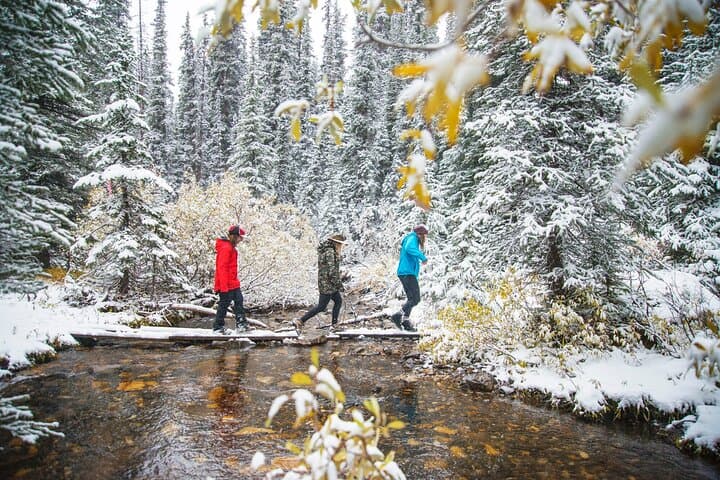
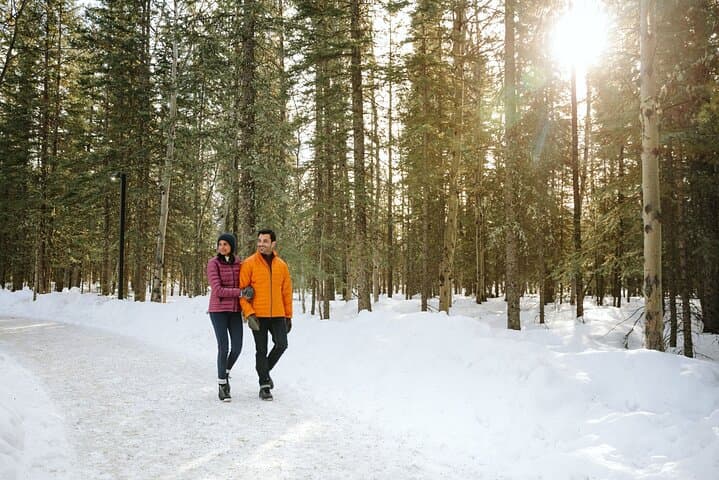
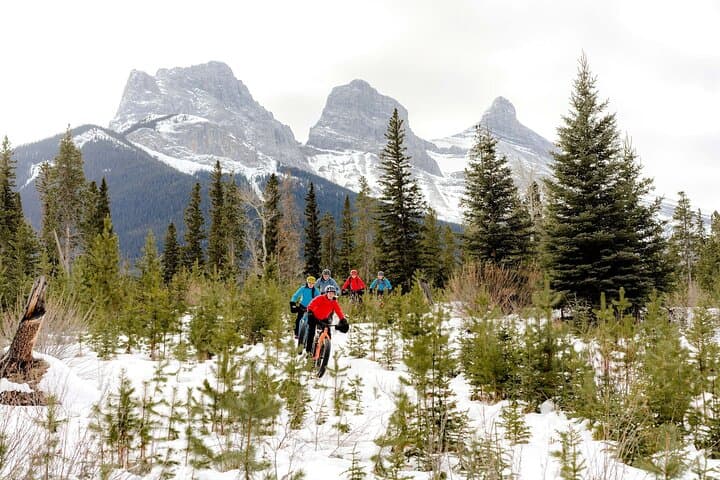
A hush settles over the valley as the group steps off the van and into cold, crystalline air. Snow crunches underfoot and the ridge lines of the Canadian Rockies loom like slow-moving giants; the guide points to a faint trail of tracks and the conversation narrows to breath and observation. The walk threads roughly 3.5 miles of gentle winter trail through mixed spruce and aspen, moving from river-edge flats to sun-baked cutbanks where animal sign collects.
Verified experiences and guided adventures in the surrounding area.
Operated by Banff & Canmore Tours · Canmore, Alberta
A hush settles over the valley as the group steps off the van and into cold, crystalline air. Snow crunches underfoot and the ridge lines of the Canadian Rockies loom like slow-moving giants; the guide points to a faint trail of tracks and the conversation narrows to breath and observation. The walk threads roughly 3.5 miles of gentle winter trail through mixed spruce and aspen, moving from river-edge flats to sun-baked cutbanks where animal sign collects.
Canmore began as a 19th-century coal town and today wears that history plainly in converted buildings and railway relics; the landscape itself is older still—limestone and shale folded by tectonic forces that raised the Bow Valley. Local guides will weave Indigenous and settler stories into route commentary, and explain how seasonal snowpack and freeze-thaw cycles shape plant communities and animal movements.
Practically speaking, the route is low-gradient but winter conditions demand traction. Ice cleats are provided when required and walking poles can be requested. Expect frequent stops to examine tracks, identify winter flora, and scan slopes for shy elk or bighorn sheep. Plan for 2–2.5 hours including transport time, dress in insulating layers, and carry water; the cold can mask dehydration.
Timing matters—early morning increases wildlife chances and keeps trails quieter. Stay on the trail, keep distance from animals, and follow the guide’s briefings on safety. This walk delivers a compact, interpretive winter experience: easy terrain, pointed natural history, and direct encounters with a wintered landscape that still has stories to tell.
easy.
2–2.5 hours.
Suitable for most adults in reasonable health; requires standing and walking up to 3.5 miles on groomed winter trails.
Yes—ice cleats are provided when conditions warrant; participants are advised to bring compatible boots.
The tour includes round-trip transportation from a central Canmore pickup point; confirm exact meeting details on your booking voucher.
Not recommended for children under 8 or for people with significant mobility or recent medical issues; terrain and cold can be challenging.
Common winter sightings include elk and bighorn sheep; the guide will also point out tracks from smaller mammals and birds.
Canmore’s modern character grew from 19th-century coal mining; the town and valley also sit within traditional territories of the Stoney Nakoda and other Indigenous peoples.
Winter trails are fragile—stay on established paths, avoid disturbing wildlife, and pack out waste; responsible group size and quiet observation reduce stress on animals.
Banff & Canmore Tours operates guided outdoor trips and adventures with an emphasis on safety, stewardship, and memorable experiences.

A hush settles over the valley as the group steps off the van and into cold, crystalline air. Snow crunches underfoot and the ridge lines of the Canadian Rockies loom like slow-moving giants; the guide points to a faint trail of tracks and the conversation narrows to breath and observation. The walk threads roughly 3.5 miles of gentle winter trail through mixed spruce and aspen, moving from river-edge flats to sun-baked cutbanks where animal sign collects.
A hush settles over the valley as the group steps off the van and into cold, crystalline air. Snow crunches underfoot and the ridge lines of the Canadian Rockies loom like slow-moving giants; the guide points to a faint trail of tracks and the conversation narrows to breath and observation. The walk threads roughly 3.5 miles of gentle winter trail through mixed spruce and aspen, moving from river-edge flats to sun-baked cutbanks where animal sign collects.
Canmore began as a 19th-century coal town and today wears that history plainly in converted buildings and railway relics; the landscape itself is older still—limestone and shale folded by tectonic forces that raised the Bow Valley. Local guides will weave Indigenous and settler stories into route commentary, and explain how seasonal snowpack and freeze-thaw cycles shape plant communities and animal movements.
Practically speaking, the route is low-gradient but winter conditions demand traction. Ice cleats are provided when required and walking poles can be requested. Expect frequent stops to examine tracks, identify winter flora, and scan slopes for shy elk or bighorn sheep. Plan for 2–2.5 hours including transport time, dress in insulating layers, and carry water; the cold can mask dehydration.
Timing matters—early morning increases wildlife chances and keeps trails quieter. Stay on the trail, keep distance from animals, and follow the guide’s briefings on safety. This walk delivers a compact, interpretive winter experience: easy terrain, pointed natural history, and direct encounters with a wintered landscape that still has stories to tell.