THE ADVENTURE COLLECTIVE® · Independent discovery and booking for outdoor travel

Spend two hours with a local guide learning to identify edible and medicinal plants around Canmore. This interpretive walk blends practical foraging skills, local history, and wilderness safety on easy, scenic trails.
Spend two hours with a local guide learning to identify edible and medicinal plants around Canmore. This interpretive walk blends practical foraging skills, local history, and wilderness safety on easy, scenic trails.
A low ridge breathes mountain air as your small group steps off a shaded trail in Canmore; lodgepole pines lean like patient teachers and a river below calls with ice-melt urgency. The guide points out a cluster of yellows and greens, asking you to notice smell, leaf shape, and growth habit — the language of plants translated into practical survival skills.
Verified experiences and guided adventures in the surrounding area.
Operated by Banff & Canmore Tours · Canmore, Alberta
A low ridge breathes mountain air as your small group steps off a shaded trail in Canmore; lodgepole pines lean like patient teachers and a river below calls with ice-melt urgency. The guide points out a cluster of yellows and greens, asking you to notice smell, leaf shape, and growth habit — the language of plants translated into practical survival skills.
This stretch of the eastern Rockies sits on limestone and shale folded by ancient tectonics, producing thin soils where resilient herbs and shrubs thrive. For millennia the Stoney Nakoda and other Indigenous peoples used these plants for food and medicine; later settlers adapted those practices for mountain life. The walk mixes botany with local history and simple wilderness safety — including how to reduce risk in bear country.
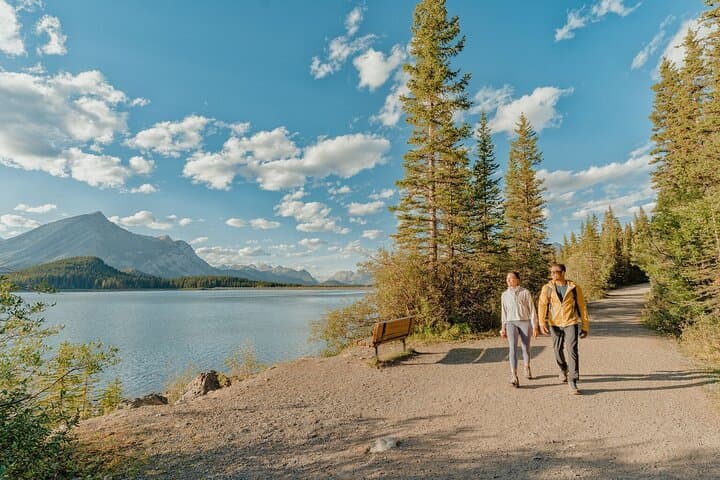
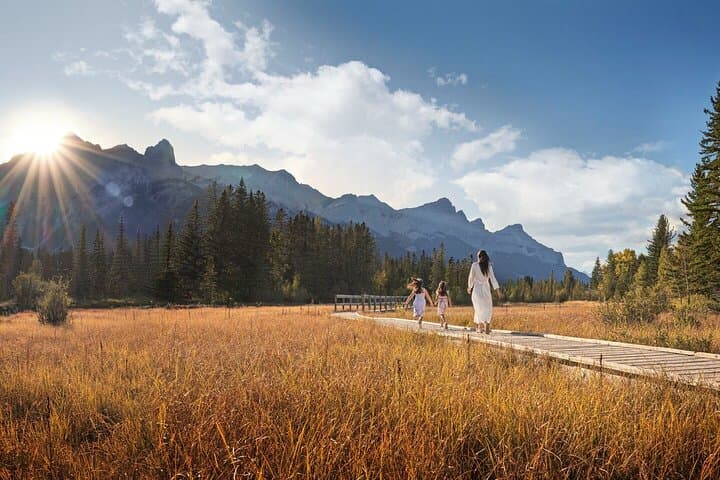
Expect a gentle, interpretive route: roughly 2–4 km of mixed dirt and boardwalk with minimal elevation gain (typically under 150 m), suitable for most walkers. Terrain can be uneven and wet in spring; footwear with grip helps. The guide demonstrates ID features, safe harvesting principles, and which species to avoid.
Practical tips: bring water, dress in breathable layers, carry a small field guide or smartphone app for notes, and be ready to pause for close-up plant study. Foragers should follow Leave No Trace, never remove protected plants, and rely on the guide before attempting any sampling. Over two hours you leave with sharper eyes, usable identification skills, and a clearer sense of how these plants have supported people here for generations.
easy.
2 hours.
Suitable for most fitness levels; able to walk 2–4 km on uneven terrain and stand for short periods.
Guides may show edible species and discuss harvesting ethics, but you should not taste or pick plants unless explicitly allowed and supervised.
Yes — the tour is rated easy and accessible to most ages, though children should be able to walk short distances and stay with the group.
Tours can be canceled for safety in severe weather; check your booking details and the operator's cancellation policy for refunds.
No — the guide provides hands-on instruction for beginners and shares practical ID tips used by locals.
This region sits on Traditional Stoney Nakoda territory; Indigenous knowledge shaped local plant uses long before recreational foraging began.
Foraging tours emphasize Leave No Trace and legal restrictions; avoid removing plants from protected areas and follow the guide to minimize impact.
Banff & Canmore Tours operates guided outdoor trips and adventures with an emphasis on safety, stewardship, and memorable experiences.

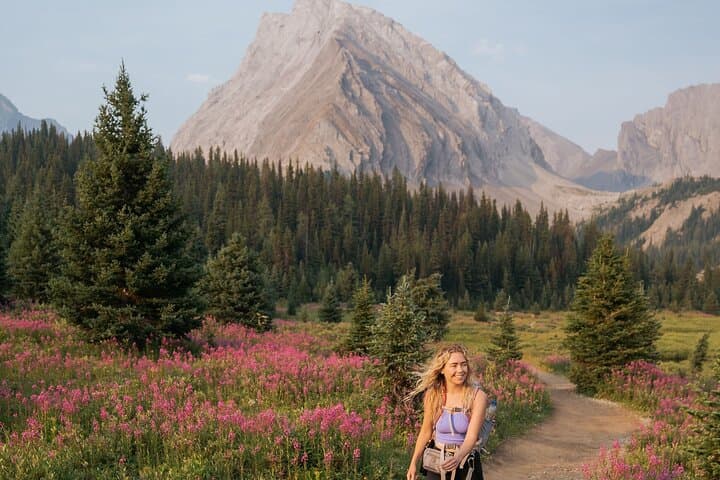
A low ridge breathes mountain air as your small group steps off a shaded trail in Canmore; lodgepole pines lean like patient teachers and a river below calls with ice-melt urgency. The guide points out a cluster of yellows and greens, asking you to notice smell, leaf shape, and growth habit — the language of plants translated into practical survival skills.
A low ridge breathes mountain air as your small group steps off a shaded trail in Canmore; lodgepole pines lean like patient teachers and a river below calls with ice-melt urgency. The guide points out a cluster of yellows and greens, asking you to notice smell, leaf shape, and growth habit — the language of plants translated into practical survival skills.
This stretch of the eastern Rockies sits on limestone and shale folded by ancient tectonics, producing thin soils where resilient herbs and shrubs thrive. For millennia the Stoney Nakoda and other Indigenous peoples used these plants for food and medicine; later settlers adapted those practices for mountain life. The walk mixes botany with local history and simple wilderness safety — including how to reduce risk in bear country.
Expect a gentle, interpretive route: roughly 2–4 km of mixed dirt and boardwalk with minimal elevation gain (typically under 150 m), suitable for most walkers. Terrain can be uneven and wet in spring; footwear with grip helps. The guide demonstrates ID features, safe harvesting principles, and which species to avoid.
Practical tips: bring water, dress in breathable layers, carry a small field guide or smartphone app for notes, and be ready to pause for close-up plant study. Foragers should follow Leave No Trace, never remove protected plants, and rely on the guide before attempting any sampling. Over two hours you leave with sharper eyes, usable identification skills, and a clearer sense of how these plants have supported people here for generations.