THE ADVENTURE COLLECTIVE® · Independent discovery and booking for outdoor travel

Follow overgrown wagon roads below Canmore and discover the skeletal remains of lost mining towns while a guide explains the Bow Valley’s human and geological story. Expect forested trails, open viewpoints, and a moderate 2–3 hour outing.
Follow overgrown wagon roads below Canmore and discover the skeletal remains of lost mining towns while a guide explains the Bow Valley’s human and geological story. Expect forested trails, open viewpoints, and a moderate 2–3 hour outing.
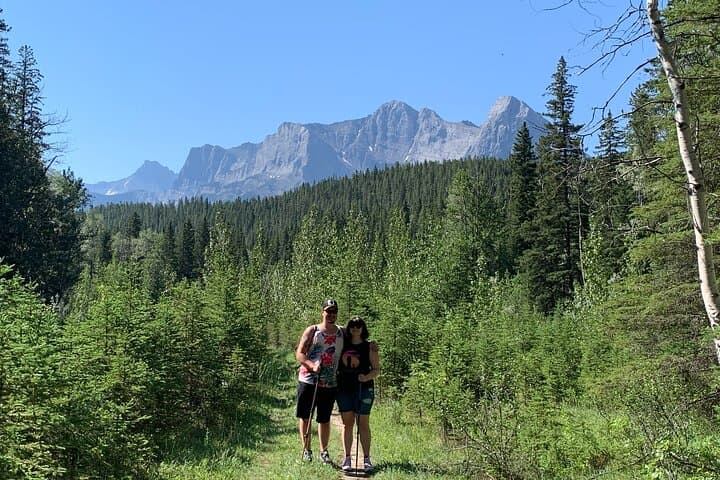
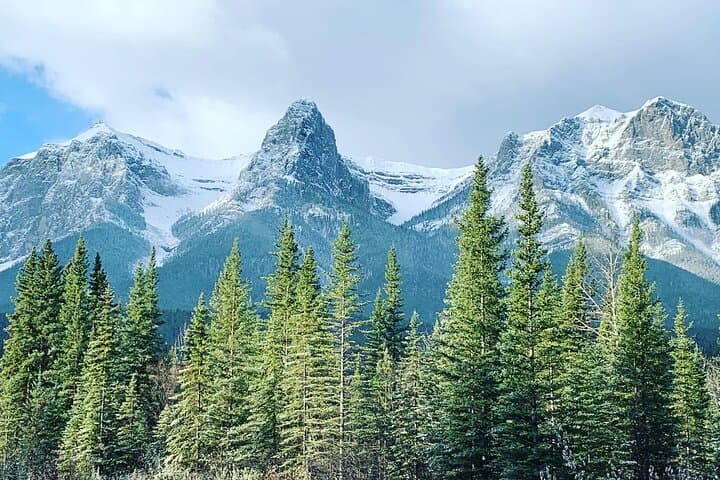
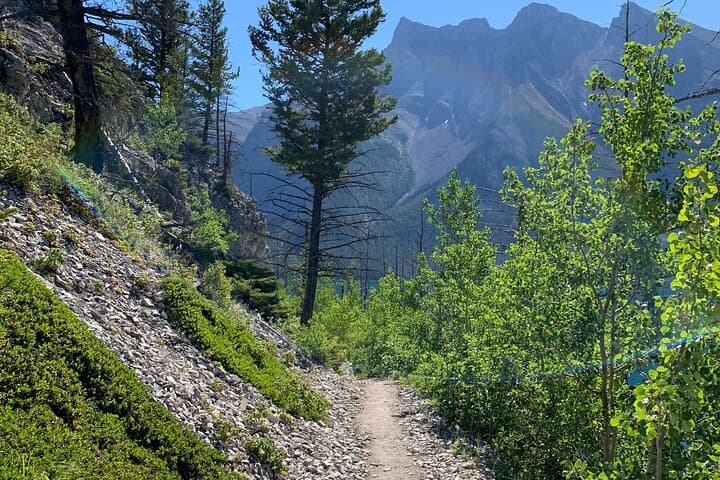
The forest opens and the trail drops away beneath your boots — spruce and aspen push aside a view of the Bow Valley that seems to grow with every step. The Lost Towns Trail begins near the Canmore Recreation Centre and leads you down old wagon roads to scattered remnants of early mining camps, where weathered timbers and rusted hardware quietly mark human ambition against mountain stone.
Verified experiences and guided adventures in the surrounding area.
Operated by Banff & Canmore Tours · Canmore, Alberta
The forest opens and the trail drops away beneath your boots — spruce and aspen push aside a view of the Bow Valley that seems to grow with every step. The Lost Towns Trail begins near the Canmore Recreation Centre and leads you down old wagon roads to scattered remnants of early mining camps, where weathered timbers and rusted hardware quietly mark human ambition against mountain stone.
This guided, 5 km one-way route descends about 240 m (785 ft) and takes roughly 2–3 hours roundtrip with stops. Geology here is plain and purposeful: folded sedimentary layers of limestone and shale cleave the valley, carved by ice and the Bow River. Culturally, the path follows veins of late-19th/early-20th-century mining activity that shaped Canmore’s growth; your guide points out artifacts and explains how industry gave way to conservation and recreation.
Expect forested singletrack, intermittent switchbacks, and open viewpoints over the river corridor. Wildlife such as deer and elk are common; raptor thermals often ride the valley winds. Bring layered clothing — the valley can be bright and hot at noon, cool and windy in the shade — and a refillable water bottle. Ice cleats may be provided when needed in shoulder seasons.
Practical logistics: meet at the Rec Centre, travel light but prepared for a steady climb back, and carry a basic first aid kit. The tour is family-friendly for ages 8+, though not suitable for those with serious mobility or cardiovascular issues. In short: manageable distance, rich history, and views that reward steady pacing.
moderate.
2–3 hours.
Moderate — suitable for hikers who can cover 5 km with uneven terrain and manage a steady climb on the return.
The route is rated moderate due to distance and a 240 m elevation change; beginners who are comfortable walking on uneven ground and can handle a steady uphill return should be fine.
Meet at the Canmore Recreation Centre; the tour starts from that trailhead and typically does not include transportation beyond the meeting point.
Yes — the tour is generally suitable for children aged 8 and up when accompanied by adults and able to hike the distance safely.
The tour may be canceled for severe weather; operators usually notify guests and offer full refunds if canceled at least 24 hours beforehand.
The trail follows routes used during late-19th and early-20th-century mining booms; small camps rose and fell as ore prices and accessibility changed.
Stay on established trails to protect recovering forest understory and cultural artifacts; pack out all waste and follow local guidelines to minimize wildlife disturbance.
Banff & Canmore Tours operates guided outdoor trips and adventures with an emphasis on safety, stewardship, and memorable experiences.

The forest opens and the trail drops away beneath your boots — spruce and aspen push aside a view of the Bow Valley that seems to grow with every step. The Lost Towns Trail begins near the Canmore Recreation Centre and leads you down old wagon roads to scattered remnants of early mining camps, where weathered timbers and rusted hardware quietly mark human ambition against mountain stone.
The forest opens and the trail drops away beneath your boots — spruce and aspen push aside a view of the Bow Valley that seems to grow with every step. The Lost Towns Trail begins near the Canmore Recreation Centre and leads you down old wagon roads to scattered remnants of early mining camps, where weathered timbers and rusted hardware quietly mark human ambition against mountain stone.
This guided, 5 km one-way route descends about 240 m (785 ft) and takes roughly 2–3 hours roundtrip with stops. Geology here is plain and purposeful: folded sedimentary layers of limestone and shale cleave the valley, carved by ice and the Bow River. Culturally, the path follows veins of late-19th/early-20th-century mining activity that shaped Canmore’s growth; your guide points out artifacts and explains how industry gave way to conservation and recreation.
Expect forested singletrack, intermittent switchbacks, and open viewpoints over the river corridor. Wildlife such as deer and elk are common; raptor thermals often ride the valley winds. Bring layered clothing — the valley can be bright and hot at noon, cool and windy in the shade — and a refillable water bottle. Ice cleats may be provided when needed in shoulder seasons.
Practical logistics: meet at the Rec Centre, travel light but prepared for a steady climb back, and carry a basic first aid kit. The tour is family-friendly for ages 8+, though not suitable for those with serious mobility or cardiovascular issues. In short: manageable distance, rich history, and views that reward steady pacing.