THE ADVENTURE COLLECTIVE® · Independent discovery and booking for outdoor travel

A private, guided ascent to the Tea House viewpoint on Mount Lady Macdonald near Canmore. Expect a steep 10 km round-trip with scrambling, exposed sections, and big alpine views — the true summit is avoided for safety.
A private, guided ascent to the Tea House viewpoint on Mount Lady Macdonald near Canmore. Expect a steep 10 km round-trip with scrambling, exposed sections, and big alpine views — the true summit is avoided for safety.
You start below a serrated skyline: larch and spruce give way to wind-swept rock as the trail climbs, and the town of Canmore shrinks into a patchwork of rooftops and river flats. The guide checks gear, tucks bear spray into a pack, and points the group toward the Tea House viewpoint — the planned high point — where the ruined stone shelter perches like an old lookout.
Verified experiences and guided adventures in the surrounding area.
Operated by Banff & Canmore Tours · Canmore, Alberta
You start below a serrated skyline: larch and spruce give way to wind-swept rock as the trail climbs, and the town of Canmore shrinks into a patchwork of rooftops and river flats. The guide checks gear, tucks bear spray into a pack, and points the group toward the Tea House viewpoint — the planned high point — where the ruined stone shelter perches like an old lookout.
This route, up Mount Lady Macdonald, threads classic Canadian Rockies geology: layered sedimentary limestone folded and faulted into steep cliffs and talus slopes carved by Pleistocene ice. The area has long been part of the Stoney Nakoda and Kananaskis cultural landscape; nearby peaks were used as navigation and hunting landmarks for generations.
Expect a 10 km round-trip with sustained climbing, several punchy switchbacks and short sections of scrambling. The tour is guided, private, and tailored to group pace; guides carry poles, first aid and bear spray. Note the operator deliberately stops at the Tea House Summit Visa — the final true summit has unstable cliff edges and unsafe scrambling.
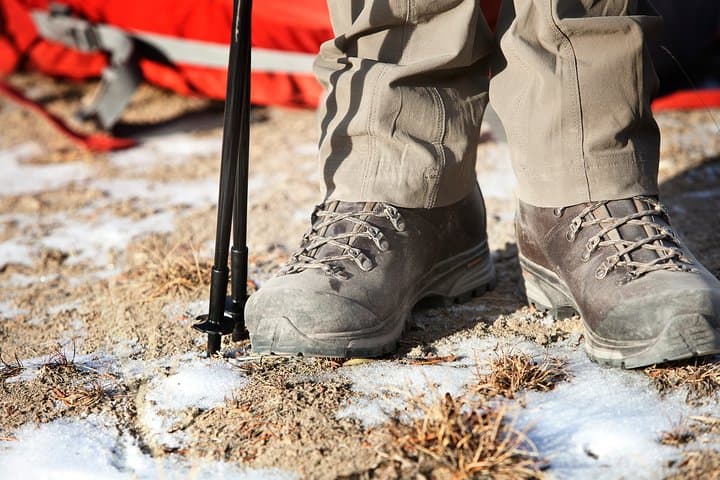
Plan for variable mountain weather: start early to avoid afternoon storms, layer for wind and sun, and bring 2–3 liters of water. Footwear with good traction and confident footing on loose rock is essential. Photography rewards are immediate — sweeping valley views, stacked ridgelines and forested benches — but the practical beats the romantic: watch footing on exposed sections, keep group spacing on narrow trails, and follow your guide’s instructions for safety.
This is an intense half-day immersion in the Rockies that pairs big views with grounded mountain travel practices.
challenging.
5–7 hours.
Good cardiovascular fitness and leg strength; capable of sustained uphill hiking and short scrambling.
The tour is approximately 5–7 hours round-trip, about 10 km, with sustained elevation gain and short scrambling sections — rated moderate to challenging.
No — guides stop at the Tea House Summit Visa because the final ascent to the true summit includes unstable cliff edges and unsafe scrambling.
Yes; black and occasionally grizzly bears inhabit the region. Guides carry bear spray and follow protocols; hikers should make noise, travel in groups, and store food responsibly.
You don’t need technical climbing experience, but you should have good fitness and be comfortable on steep, exposed, and loose terrain.
The Canmore area sits within traditional territories of Indigenous peoples including the Stoney Nakoda; peaks like Lady Macdonald were prominent landscape markers during settlement and early mountaineering in the Rockies.
Trails here are sensitive to erosion and trampling; stick to established routes, pack out all waste, and follow local wildlife protocols to minimize impact.
Banff & Canmore Tours operates guided outdoor trips and adventures with an emphasis on safety, stewardship, and memorable experiences.
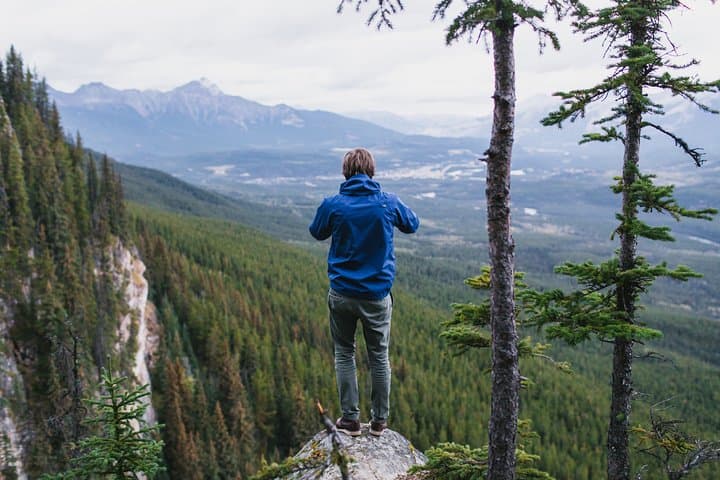
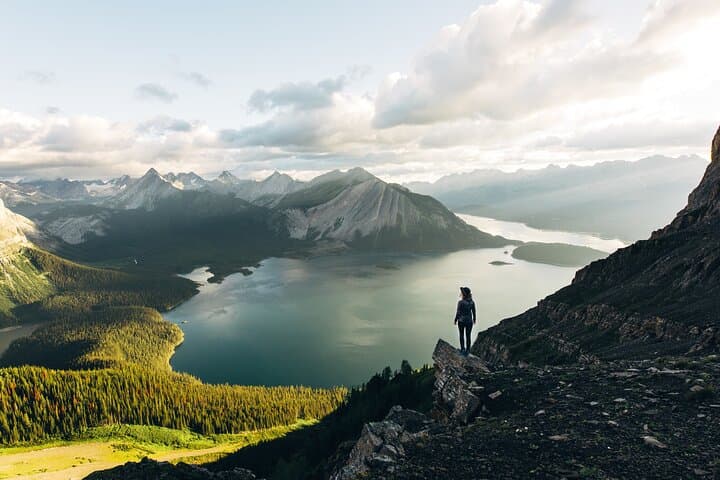
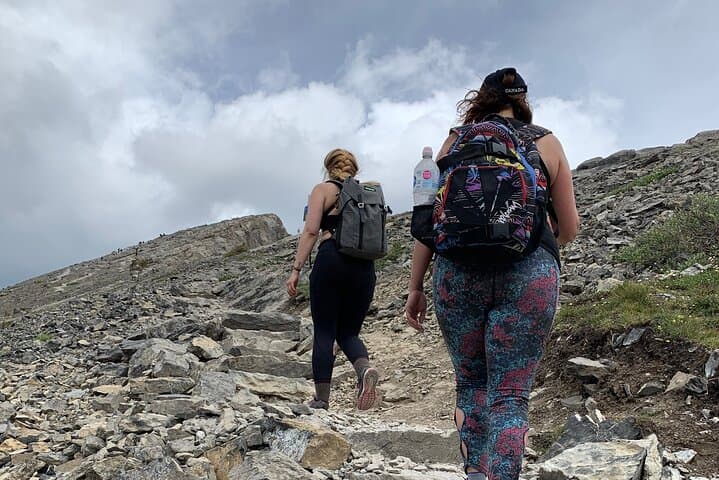
You start below a serrated skyline: larch and spruce give way to wind-swept rock as the trail climbs, and the town of Canmore shrinks into a patchwork of rooftops and river flats. The guide checks gear, tucks bear spray into a pack, and points the group toward the Tea House viewpoint — the planned high point — where the ruined stone shelter perches like an old lookout.
You start below a serrated skyline: larch and spruce give way to wind-swept rock as the trail climbs, and the town of Canmore shrinks into a patchwork of rooftops and river flats. The guide checks gear, tucks bear spray into a pack, and points the group toward the Tea House viewpoint — the planned high point — where the ruined stone shelter perches like an old lookout.
This route, up Mount Lady Macdonald, threads classic Canadian Rockies geology: layered sedimentary limestone folded and faulted into steep cliffs and talus slopes carved by Pleistocene ice. The area has long been part of the Stoney Nakoda and Kananaskis cultural landscape; nearby peaks were used as navigation and hunting landmarks for generations.
Expect a 10 km round-trip with sustained climbing, several punchy switchbacks and short sections of scrambling. The tour is guided, private, and tailored to group pace; guides carry poles, first aid and bear spray. Note the operator deliberately stops at the Tea House Summit Visa — the final true summit has unstable cliff edges and unsafe scrambling.
Plan for variable mountain weather: start early to avoid afternoon storms, layer for wind and sun, and bring 2–3 liters of water. Footwear with good traction and confident footing on loose rock is essential. Photography rewards are immediate — sweeping valley views, stacked ridgelines and forested benches — but the practical beats the romantic: watch footing on exposed sections, keep group spacing on narrow trails, and follow your guide’s instructions for safety.
This is an intense half-day immersion in the Rockies that pairs big views with grounded mountain travel practices.