THE ADVENTURE COLLECTIVE® · Independent discovery and booking for outdoor travel

Walk through a 45‑metre tunnel into a vaulted limestone chamber that reads like deep time. Pair a guided tour of Canelobre Cave with a stroll through Busot’s historic centre and an unusual museum of world instruments.
Walk through a 45‑metre tunnel into a vaulted limestone chamber that reads like deep time. Pair a guided tour of Canelobre Cave with a stroll through Busot’s historic centre and an unusual museum of world instruments.
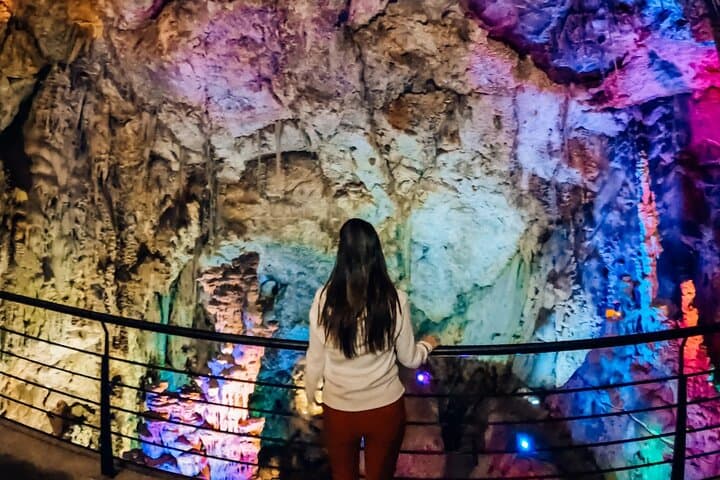
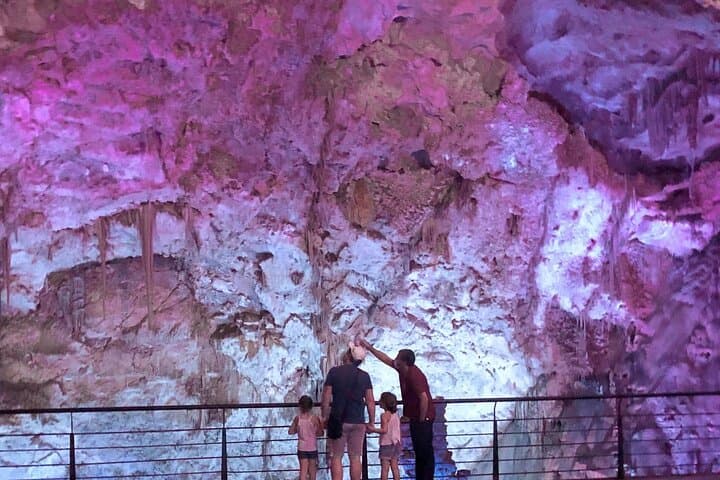
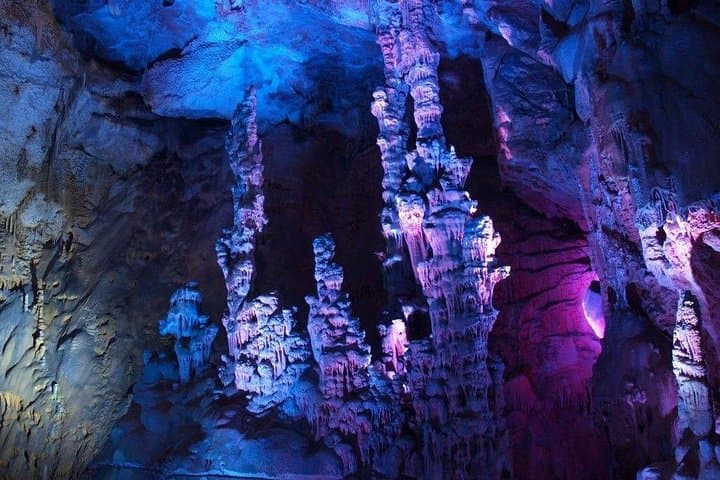
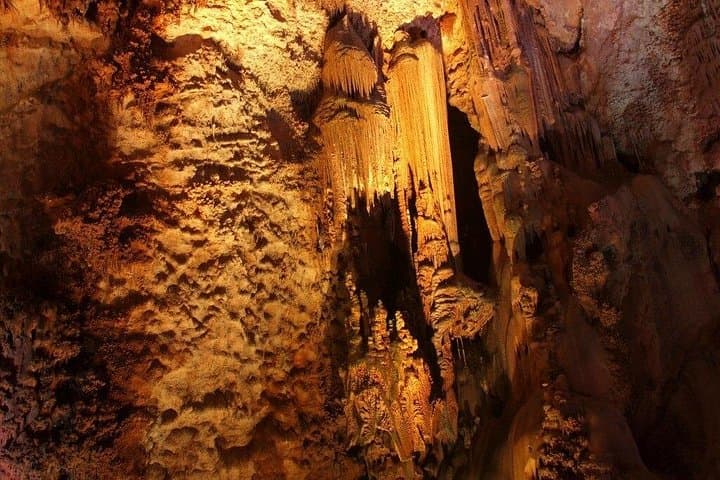
A low tunnel mouth opens and cool, steady air meets you—stones drip like a slow clock, and light from the guide’s lamp sketches pinnacles that have taken millions of years to form. The Canelobre cave sits high on the northern slopes of the Cabeçó D’Or, its cathedral-like chamber rising from a 45‑metre access tunnel into a vaulted room of stalactites, stalagmites, columns and jellyfish-like curtains.
Verified experiences and guided adventures in the surrounding area.
Operated by Alicante Getaway · Busot, Alicante
A low tunnel mouth opens and cool, steady air meets you—stones drip like a slow clock, and light from the guide’s lamp sketches pinnacles that have taken millions of years to form. The Canelobre cave sits high on the northern slopes of the Cabeçó D’Or, its cathedral-like chamber rising from a 45‑metre access tunnel into a vaulted room of stalactites, stalagmites, columns and jellyfish-like curtains.
Geologically the cave is one of the few exposed Jurassic reliefs in the Prebetic zone; karst processes carved galleries across limestone over 100 million years. Culturally, locals named it “canelobre” for a formation resembling a candelabrum, and the cave later served as a shelter during the Spanish Civil War. After the underground passage you emerge into Busot, a compact Spanish village whose church, narrow streets and small Museum of Ethnic Music tell a quieter story of regional life and craft.
Expect roughly 2–3 hours with a bilingual guide, short drives from Alicante, and easy walking on uneven stone and steps. The cave interior is cool and damp — footprints echo and drips mark time — while the mountain viewpoint rewards with broad Mediterranean views. Bring closed-toe shoes, a light layer, and a water bottle; photography is allowed but avoid touching formations. Tours are family-friendly and suitable for most fitness levels, though the access tunnel requires crouching for brief stretches.
Plan morning slots for softer light on the village, and allow time for the nearby stone crafts shop if you want local souvenirs.
easy.
2–3 hours.
Suitable for most fitness levels; involves short walks, steps and a 45‑m tunnel that requires stooping for brief sections.
The shared guided experience is about 2–3 hours total with short walks, stairs, and a 45‑metre access tunnel; it’s listed as suitable for most fitness levels.
Children are welcome but the tunnel requires some stooping; the site is not fully wheelchair-accessible due to steps and narrow passages.
Yes—visitor photography is allowed, but avoid using flash near fragile formations and never touch the cave features.
Tours include transportation in a small, comfortable vehicle and the drive from Alicante is roughly 20–30 minutes depending on traffic.
The cave’s name refers to a candelabrum-like formation; during the Spanish Civil War parts of the cave were used for shelter and storage.
Visitor numbers are managed and touching formations is prohibited—stay on paths, follow your guide, and avoid littering to protect fragile cave microenvironments.
Alicante Getaway operates guided outdoor trips and adventures with an emphasis on safety, stewardship, and memorable experiences.
A low tunnel mouth opens and cool, steady air meets you—stones drip like a slow clock, and light from the guide’s lamp sketches pinnacles that have taken millions of years to form. The Canelobre cave sits high on the northern slopes of the Cabeçó D’Or, its cathedral-like chamber rising from a 45‑metre access tunnel into a vaulted room of stalactites, stalagmites, columns and jellyfish-like curtains.
A low tunnel mouth opens and cool, steady air meets you—stones drip like a slow clock, and light from the guide’s lamp sketches pinnacles that have taken millions of years to form. The Canelobre cave sits high on the northern slopes of the Cabeçó D’Or, its cathedral-like chamber rising from a 45‑metre access tunnel into a vaulted room of stalactites, stalagmites, columns and jellyfish-like curtains.
Geologically the cave is one of the few exposed Jurassic reliefs in the Prebetic zone; karst processes carved galleries across limestone over 100 million years. Culturally, locals named it “canelobre” for a formation resembling a candelabrum, and the cave later served as a shelter during the Spanish Civil War. After the underground passage you emerge into Busot, a compact Spanish village whose church, narrow streets and small Museum of Ethnic Music tell a quieter story of regional life and craft.
Expect roughly 2–3 hours with a bilingual guide, short drives from Alicante, and easy walking on uneven stone and steps. The cave interior is cool and damp — footprints echo and drips mark time — while the mountain viewpoint rewards with broad Mediterranean views. Bring closed-toe shoes, a light layer, and a water bottle; photography is allowed but avoid touching formations. Tours are family-friendly and suitable for most fitness levels, though the access tunnel requires crouching for brief stretches.
Plan morning slots for softer light on the village, and allow time for the nearby stone crafts shop if you want local souvenirs.