THE ADVENTURE COLLECTIVE® · Independent discovery and booking for outdoor travel

Spend a morning in Candirejo village to see traditional Javanese life close up — horse-cart lanes, cassava cracker workshops, and live gamelan. This easy, 4–6 hour tour pairs cultural insight with gentle walking and hands-on activities.
Spend a morning in Candirejo village to see traditional Javanese life close up — horse-cart lanes, cassava cracker workshops, and live gamelan. This easy, 4–6 hour tour pairs cultural insight with gentle walking and hands-on activities.
Morning light finds Candirejo’s narrow lanes waking into work — women shaping cassava crackers over smoke, children chasing the shadow of a horse cart, and a distant gamelan rhythm threading through the air. Close to Borobudur, this village puts daily Javanese life on view: timber houses on stilts, smallholder plantations, and dirt lanes that slope gently toward rice terraces and low volcanic ridges.
Verified experiences and guided adventures in the surrounding area.
Operated by Hanindo Tours · Candirejo (Borobudur area), Central Java
Morning light finds Candirejo’s narrow lanes waking into work — women shaping cassava crackers over smoke, children chasing the shadow of a horse cart, and a distant gamelan rhythm threading through the air. Close to Borobudur, this village puts daily Javanese life on view: timber houses on stilts, smallholder plantations, and dirt lanes that slope gently toward rice terraces and low volcanic ridges.
Geology and history here are practical: volcanic soils from nearby Merapi and the Dieng plateau make for fertile plots and patchwork fields; the village culture evolved around rice cultivation and craft skills like cracker-making and weaving. Gamelan performances and routine ceremonies keep community time, while the horse cart and footpaths preserve a slower pace than the tourist circuit at the temple.
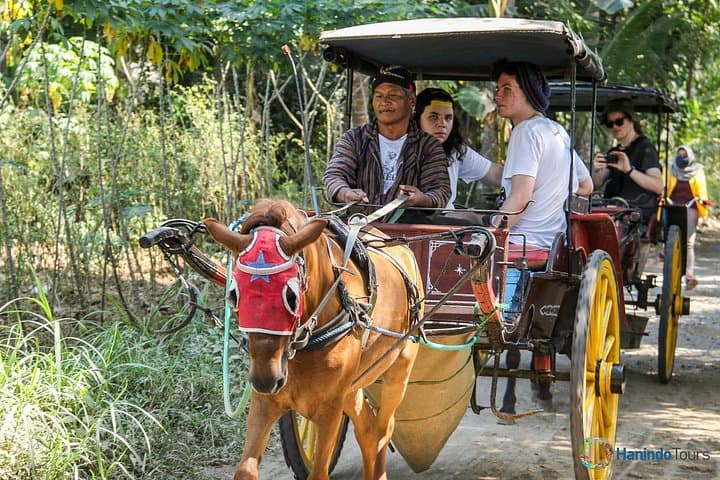
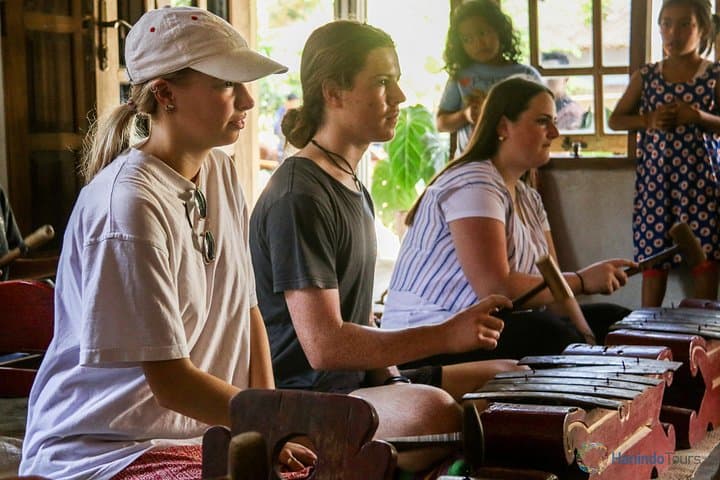
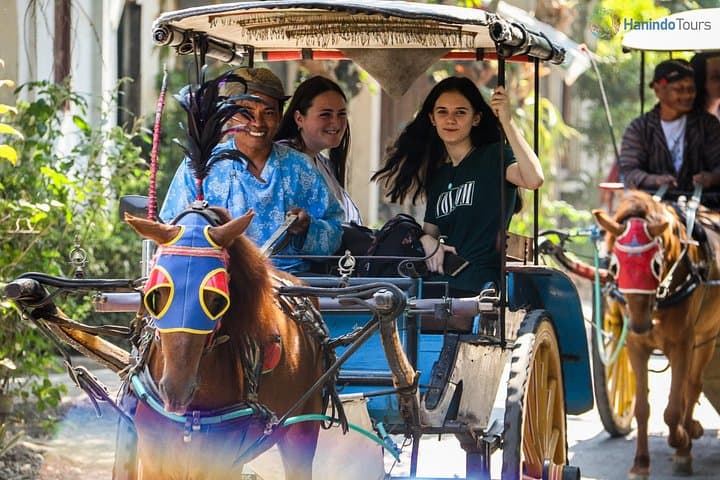
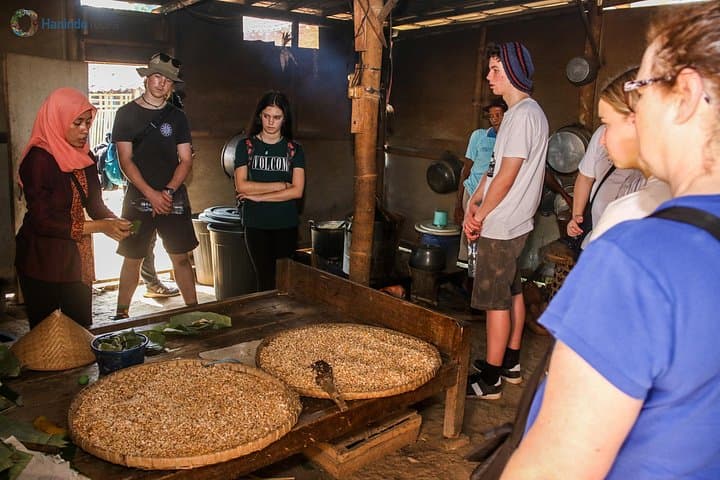
On the tour you’ll ride a dokar (horse cart) through lanes, visit family compound workshops, watch cassava crackers being made, and listen to a live gamelan demonstration. Terrain is easy — paved and packed-dirt lanes with occasional uneven stones and shallow steps; expect minimal elevation change and easy walking for most ages.
Practical tips: go in the morning for cooler temperatures and active village life; bring cash for snacks and crafts; wear closed-toe shoes for walking through yards; dress modestly out of respect for local customs. Hydration, sun protection, and a lightweight rain layer will cover seasonal changes. If you want deeper conversation, learn a few Bahasa Indonesia phrases — a simple salam opens many doors.
easy.
4–6 hours.
Suitable for most fitness levels; mostly easy walking with short standing periods during demonstrations
The tour typically lasts 4–6 hours, combining a horse-cart ride, village walks, workshops, and a gamelan demonstration.
Yes — terrain and activities are low-impact; children and older adults can participate, though some walking and short standing is involved.
No, a local guide usually facilitates interactions, but basic greetings in Bahasa (e.g., 'terima kasih') are appreciated.
Basic restrooms and simple local food or snacks are usually available in the village; bring cash for purchases.
Candirejo developed as a small agrarian village near the Borobudur plain; its architecture and social rhythms retain traditional Javanese practices tied to rice farming and communal ceremonies.
Village tourism supports income diversification but can strain water and waste systems; choose operators that prioritize local benefit and low-impact visits.
Hanindo Tours operates guided outdoor trips and adventures with an emphasis on safety, stewardship, and memorable experiences.
Morning light finds Candirejo’s narrow lanes waking into work — women shaping cassava crackers over smoke, children chasing the shadow of a horse cart, and a distant gamelan rhythm threading through the air. Close to Borobudur, this village puts daily Javanese life on view: timber houses on stilts, smallholder plantations, and dirt lanes that slope gently toward rice terraces and low volcanic ridges.
Morning light finds Candirejo’s narrow lanes waking into work — women shaping cassava crackers over smoke, children chasing the shadow of a horse cart, and a distant gamelan rhythm threading through the air. Close to Borobudur, this village puts daily Javanese life on view: timber houses on stilts, smallholder plantations, and dirt lanes that slope gently toward rice terraces and low volcanic ridges.
Geology and history here are practical: volcanic soils from nearby Merapi and the Dieng plateau make for fertile plots and patchwork fields; the village culture evolved around rice cultivation and craft skills like cracker-making and weaving. Gamelan performances and routine ceremonies keep community time, while the horse cart and footpaths preserve a slower pace than the tourist circuit at the temple.
On the tour you’ll ride a dokar (horse cart) through lanes, visit family compound workshops, watch cassava crackers being made, and listen to a live gamelan demonstration. Terrain is easy — paved and packed-dirt lanes with occasional uneven stones and shallow steps; expect minimal elevation change and easy walking for most ages.
Practical tips: go in the morning for cooler temperatures and active village life; bring cash for snacks and crafts; wear closed-toe shoes for walking through yards; dress modestly out of respect for local customs. Hydration, sun protection, and a lightweight rain layer will cover seasonal changes. If you want deeper conversation, learn a few Bahasa Indonesia phrases — a simple salam opens many doors.