THE ADVENTURE COLLECTIVE® · Independent discovery and booking for outdoor travel

Explore shallow, calm reefs off Cancun with guided snorkeling to MUSA, seagrass beds and a shipwreck. This 2–3 hour trip is beginner-friendly, includes gear and round-trip transport, and highlights local reef conservation practices.
Explore shallow, calm reefs off Cancun with guided snorkeling to MUSA, seagrass beds and a shipwreck. This 2–3 hour trip is beginner-friendly, includes gear and round-trip transport, and highlights local reef conservation practices.
The boat slips away from the white sand and the shoreline drops into a clean, bright horizon of turquoise. Salt sprays the face as the captain points toward a cluster of shallow reefs; the water here holds visibility the way a gallery holds light. When you first drop your mask, the reef greets you—parrotfish weaving through coral fingers, a turtle pausing under a seagrass meadow as if checking the tide.
Verified experiences and guided adventures in the surrounding area.
Operated by Caribe Páradise Tours · Cancun, Quintana Roo
The boat slips away from the white sand and the shoreline drops into a clean, bright horizon of turquoise. Salt sprays the face as the captain points toward a cluster of shallow reefs; the water here holds visibility the way a gallery holds light. When you first drop your mask, the reef greets you—parrotfish weaving through coral fingers, a turtle pausing under a seagrass meadow as if checking the tide.
This route follows the fringes of the Mesoamerican Barrier Reef, the world’s second-largest coral system, and passes sites shaped by geology and humans: ancient limestone platforms broken by currents, seagrass flats that nurture juvenile fish, and an intentionally placed shipwreck that now hosts coral colonies and schools of baitfish. The underwater museum (MUSA), installed in the late 2000s, was created to relieve pressure on natural reef and grow new habitat.
Local culture is coastal and practical—fishers, conservationists and guides who read the water and aim to protect it. Expect a bilingual briefing, reef-conservation notes, and a reminder to use biodegradable sunscreen.
Practical guidance: this guided 2–3 hour trip visits shallow spots (max ~9 ft), suitable for beginners and confident non-experts. Wear a snug mask, reef-safe sunscreen, and a towel for the quick rinse back at the dock. A short instructional session precedes entry, and guides stay nearby in the water. Be prepared to move between four stops by boat, follow the guide’s hand signals, and budget the small dock and conservation fee charged on-site. Leave your camera in a waterproof case and let the current nudge you into the rhythm of the reef.
easy.
2–3 hours.
Moderate: basic swimming ability and ability to tread water for short periods; minimal endurance required.
Basic swimming comfort is required—participants should be able to float and move short distances in shallow water; flotation devices are available for beginners.
A local dock fee and reef conservation tax (around $20 USD per person) is collected on-site to support maintenance and protection efforts.
Snorkel equipment is provided, including masks, fins, and snorkels; operators typically clean gear between uses—bringing personal masks is recommended for hygiene and fit.
This activity is not recommended for pregnant travelers or those with significant back or cardiovascular issues—check medical suitability before booking.
The underwater museum (MUSA) was installed in the late 2000s to divert snorkel and dive pressure from natural reefs and encourage new coral growth on sculpted installations.
Operators commonly collect a small reef conservation fee and enforce no-touch rules; using biodegradable sunscreen and avoiding contact with coral help protect the reef.
Caribe Páradise Tours operates guided outdoor trips and adventures with an emphasis on safety, stewardship, and memorable experiences.
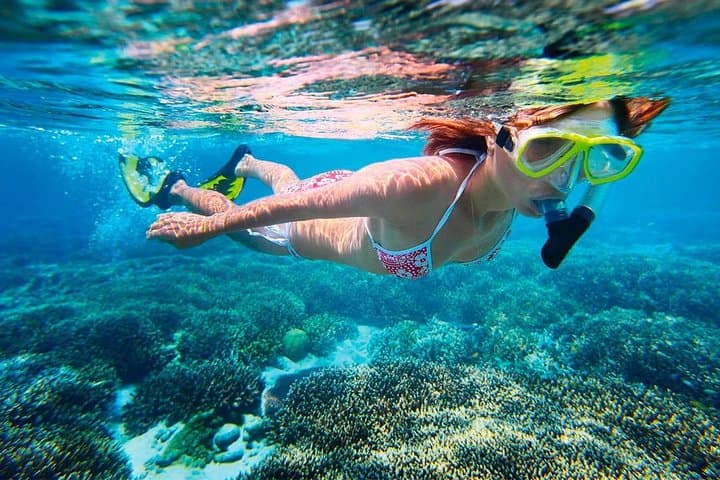
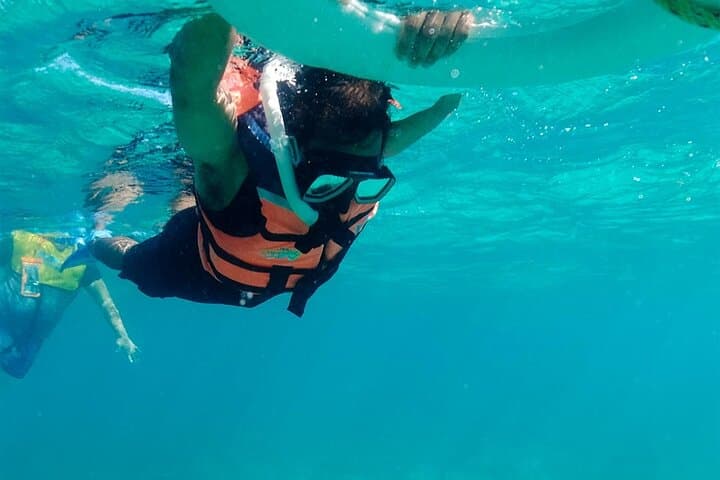
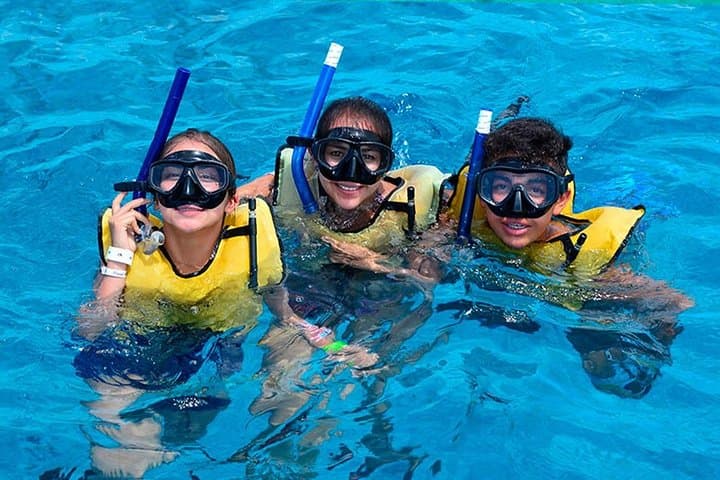
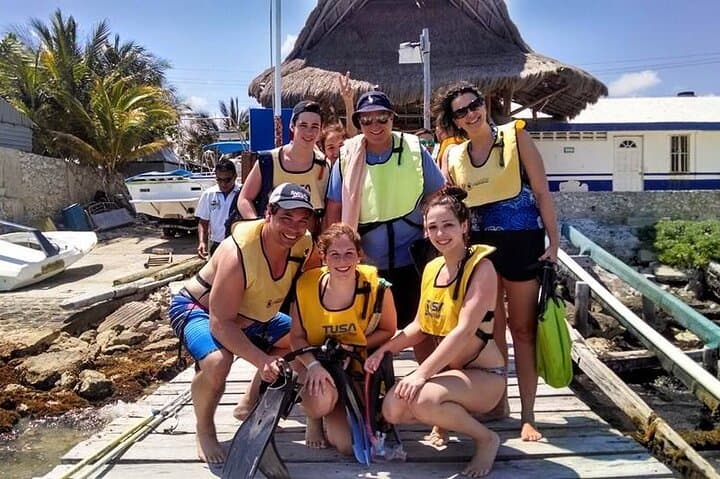
The boat slips away from the white sand and the shoreline drops into a clean, bright horizon of turquoise. Salt sprays the face as the captain points toward a cluster of shallow reefs; the water here holds visibility the way a gallery holds light. When you first drop your mask, the reef greets you—parrotfish weaving through coral fingers, a turtle pausing under a seagrass meadow as if checking the tide.
The boat slips away from the white sand and the shoreline drops into a clean, bright horizon of turquoise. Salt sprays the face as the captain points toward a cluster of shallow reefs; the water here holds visibility the way a gallery holds light. When you first drop your mask, the reef greets you—parrotfish weaving through coral fingers, a turtle pausing under a seagrass meadow as if checking the tide.
This route follows the fringes of the Mesoamerican Barrier Reef, the world’s second-largest coral system, and passes sites shaped by geology and humans: ancient limestone platforms broken by currents, seagrass flats that nurture juvenile fish, and an intentionally placed shipwreck that now hosts coral colonies and schools of baitfish. The underwater museum (MUSA), installed in the late 2000s, was created to relieve pressure on natural reef and grow new habitat.
Local culture is coastal and practical—fishers, conservationists and guides who read the water and aim to protect it. Expect a bilingual briefing, reef-conservation notes, and a reminder to use biodegradable sunscreen.
Practical guidance: this guided 2–3 hour trip visits shallow spots (max ~9 ft), suitable for beginners and confident non-experts. Wear a snug mask, reef-safe sunscreen, and a towel for the quick rinse back at the dock. A short instructional session precedes entry, and guides stay nearby in the water. Be prepared to move between four stops by boat, follow the guide’s hand signals, and budget the small dock and conservation fee charged on-site. Leave your camera in a waterproof case and let the current nudge you into the rhythm of the reef.