THE ADVENTURE COLLECTIVE® · Independent discovery and booking for outdoor travel

Students remain seated while VR headsets transport them through Canberra’s national institutions—Parliament House, the War Memorial, and galleries—on a three-hour guided loop. This weatherproof, accessible tour is designed for school groups who want immersive historical context without the logistics of multiple site entries.
Students remain seated while VR headsets transport them through Canberra’s national institutions—Parliament House, the War Memorial, and galleries—on a three-hour guided loop. This weatherproof, accessible tour is designed for school groups who want immersive historical context without the logistics of multiple site entries.
The bus idles beside the forecourt of Parliament House; students settle into padded seats while the city’s broad avenues and the sweep of Lake Burley Griffin slide past the windows. When headsets click on, Canberra’s landmarks—parliamentary chambers, war memorials, gallery halls—open up at scale, and the guide’s voice threads live commentary through each virtual stop.
Verified experiences and guided adventures in the surrounding area.
Operated by vrbus tours · Canberra, ACT
The bus idles beside the forecourt of Parliament House; students settle into padded seats while the city’s broad avenues and the sweep of Lake Burley Griffin slide past the windows. When headsets click on, Canberra’s landmarks—parliamentary chambers, war memorials, gallery halls—open up at scale, and the guide’s voice threads live commentary through each virtual stop.
The experience pairs contemporary storytelling with Canberra’s planned-city origins: the capital laid out after Federation, shaped by Walter Burley Griffin’s axial design and the damming of the Molonglo River to create the lake. Riders encounter layers of history—Indigenous Ngunnawal connections to the river flats, national institutions born with the young nation, and wartime memory held at the Australian War Memorial.
Geology and urban design come into view in VR: volcanic outcrops and river terraces that defined early settlement, and the geometric lines Griffin used to orient civic buildings. Culturally, the tour highlights collections—from portraiture to natural history—while keeping students seated and safe on a road-based route that is weather-independent and wheelchair accessible.
Practical points: teachers should pre-assign headsets and brief students on motion-sickness protocols, keep a list of medical needs, and stagger headset sessions for focus. Expect short stops at major institutions where VR replaces physical entry, about 10 minutes per site, and three hours total. Charge devices beforehand, plan for flexible pickup/drop-off, and use this option to complement hands-on visits rather than replace them—VR amplifies context, while on-site visits deliver tactile learning.
easy.
3 hours.
Suitable for all fitness levels; seating-based tour so minimal physical exertion required
Yes—content can be adapted for different age groups, but teachers should review suitability and pre-brief younger students.
Yes—operators sanitize headsets between groups; teachers should request details if their school has specific hygiene protocols.
The bus and equipment are wheelchair accessible and service animals are allowed; notify operators of mobility or sensory needs when booking.
Yes—the VR format and indoor seating mean the tour runs regardless of weather, though stops remain brief and mostly virtual.
Canberra was selected as Australia’s capital in 1908 and developed from Walter Burley Griffin’s 1913 plan; many national institutions were built to shape national identity through the 20th century.
Virtual tours reduce foot traffic at fragile sites and museums; schools should still encourage in-person visits when possible and follow site-specific conservation rules.
vrbus tours operates guided outdoor trips and adventures with an emphasis on safety, stewardship, and memorable experiences.
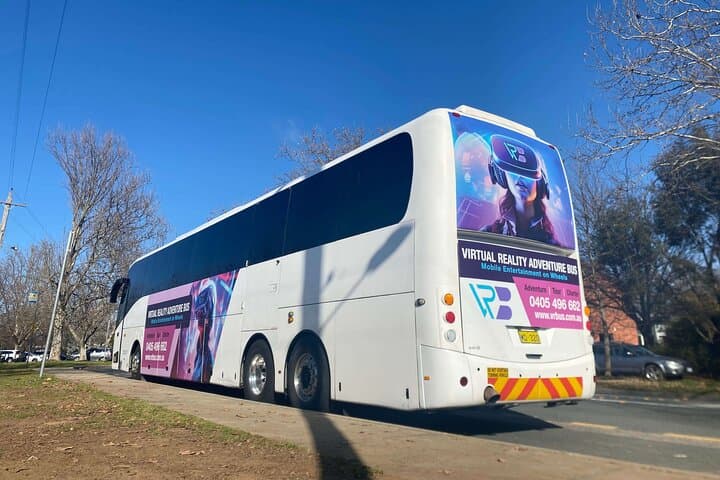
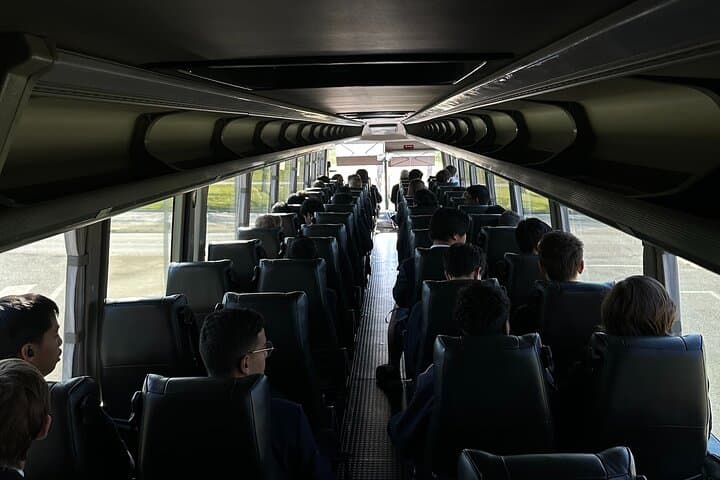
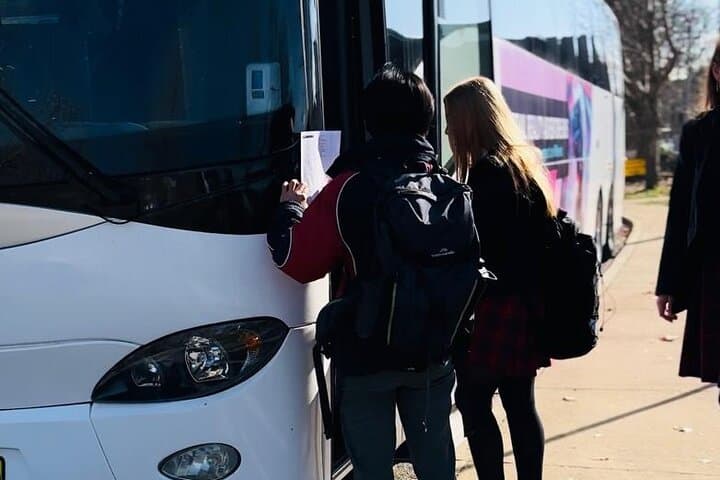
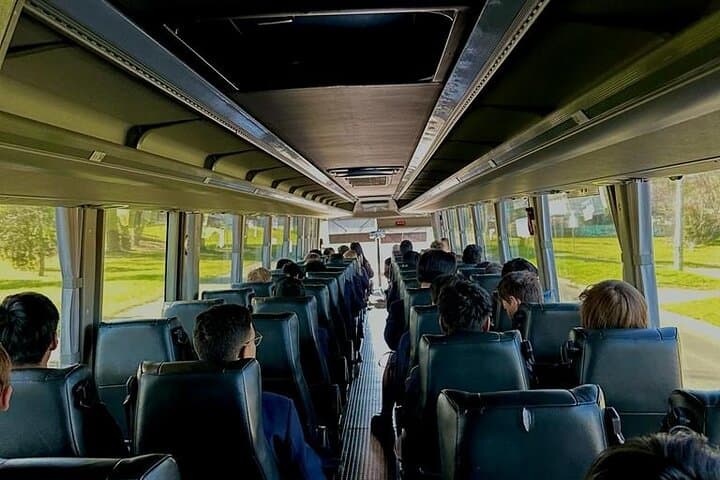
The bus idles beside the forecourt of Parliament House; students settle into padded seats while the city’s broad avenues and the sweep of Lake Burley Griffin slide past the windows. When headsets click on, Canberra’s landmarks—parliamentary chambers, war memorials, gallery halls—open up at scale, and the guide’s voice threads live commentary through each virtual stop.
The bus idles beside the forecourt of Parliament House; students settle into padded seats while the city’s broad avenues and the sweep of Lake Burley Griffin slide past the windows. When headsets click on, Canberra’s landmarks—parliamentary chambers, war memorials, gallery halls—open up at scale, and the guide’s voice threads live commentary through each virtual stop.
The experience pairs contemporary storytelling with Canberra’s planned-city origins: the capital laid out after Federation, shaped by Walter Burley Griffin’s axial design and the damming of the Molonglo River to create the lake. Riders encounter layers of history—Indigenous Ngunnawal connections to the river flats, national institutions born with the young nation, and wartime memory held at the Australian War Memorial.
Geology and urban design come into view in VR: volcanic outcrops and river terraces that defined early settlement, and the geometric lines Griffin used to orient civic buildings. Culturally, the tour highlights collections—from portraiture to natural history—while keeping students seated and safe on a road-based route that is weather-independent and wheelchair accessible.
Practical points: teachers should pre-assign headsets and brief students on motion-sickness protocols, keep a list of medical needs, and stagger headset sessions for focus. Expect short stops at major institutions where VR replaces physical entry, about 10 minutes per site, and three hours total. Charge devices beforehand, plan for flexible pickup/drop-off, and use this option to complement hands-on visits rather than replace them—VR amplifies context, while on-site visits deliver tactile learning.