THE ADVENTURE COLLECTIVE® · Independent discovery and booking for outdoor travel

Walk the canals from San Pantalon to Piazza San Marco with an English-speaking local guide. This two-hour tour mixes history, architecture and neighborhood tips while covering Venice’s major sights at a relaxed pace.
Walk the canals from San Pantalon to Piazza San Marco with an English-speaking local guide. This two-hour tour mixes history, architecture and neighborhood tips while covering Venice’s major sights at a relaxed pace.
You step off a vaporetto into a lane that smells faintly of salt and baking bread; sunlight strikes the Grand Canal in a sheet of gold and the guide already has a map sketched in memory. Over two hours you move at a local pace—through the understated glory of San Pantalon, past merchant squares where mornings hum with produce stalls, under the Rialto’s arch and finally into the wide sweep of Piazza San Marco.
Verified experiences and guided adventures in the surrounding area.
Operated by Ulysses Tours · Venice, Veneto
You step off a vaporetto into a lane that smells faintly of salt and baking bread; sunlight strikes the Grand Canal in a sheet of gold and the guide already has a map sketched in memory. Over two hours you move at a local pace—through the understated glory of San Pantalon, past merchant squares where mornings hum with produce stalls, under the Rialto’s arch and finally into the wide sweep of Piazza San Marco.
Venice’s streets record centuries of trade and rivalry: Byzantine mosaics at San Marco, Renaissance vaulting at Scuola Grande di San Rocco, and Gothic civic architecture that marked the republic’s reach. The city sits where the Po Delta meets the Adriatic; its foundations are wooden piles driven into lagoon silt, a geology that shaped both building methods and daily life.
Culturally, the route threads guild history, religious patronage and artisan ateliers—listen for stories of doges, Tintoretto’s commissions, and how tides have influenced commerce. Local guides provide context that maps alone omit: where to taste a proper cicchetti, when lines thin at monuments, and how the access fee works for day trippers.
Practical guidance: wear non-slip shoes and carry a small water bottle—paved alleys and bridges demand secure footing. Tours cover mostly flat ground with frequent short stops; expect 1.5–3 miles of walking. Morning departures avoid crowds and offer cooler light for photos. If your itinerary includes museum entry, pre-book tickets separately—this walking tour focuses on narrative, viewpoints and the lived texture of Venice itself.
easy.
2 hours.
Suitable for most fitness levels; requires standing and walking up to 3 miles with short pauses
The tour lasts about 2 hours and typically covers 1.5–3 miles (2.5–5 km) at a relaxed pace with multiple short stops.
This walking tour highlights exteriors and narrative stops; admission to museums or churches is generally not included—book separately if you want entry.
The route includes bridges and some narrow alleys; while strollers are possible, wheelchair access is limited—contact the operator for specific sections and alternatives.
On certain dates non-resident day visitors may pay a municipal access fee; check local Venice regulations ahead of your visit for exemptions and dates.
Venice grew as a maritime republic drawing upon Byzantine and Gothic influences; many sites along the route reflect guild wealth and ecclesiastical patronage from the 12th–17th centuries.
Rising tides and overtourism pressure Venice’s fragile foundations; support local regulations, stick to marked paths and avoid littering to reduce impact.
Ulysses Tours operates guided outdoor trips and adventures with an emphasis on safety, stewardship, and memorable experiences.
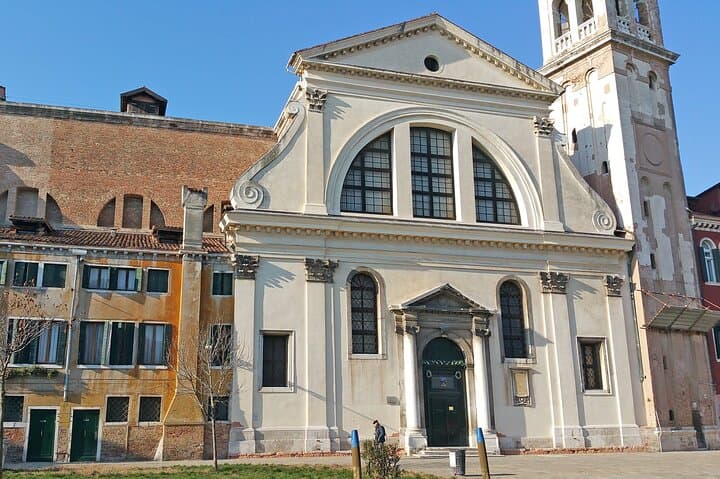
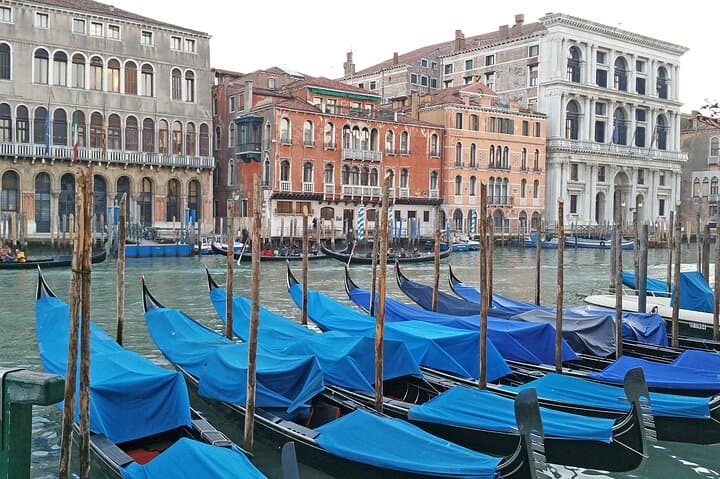
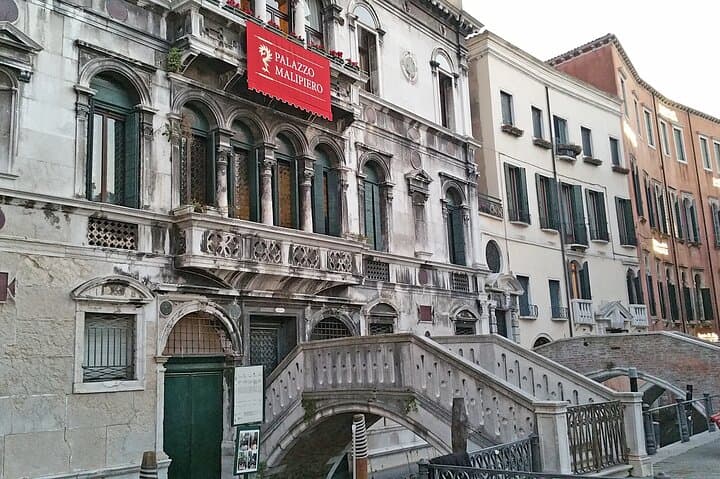
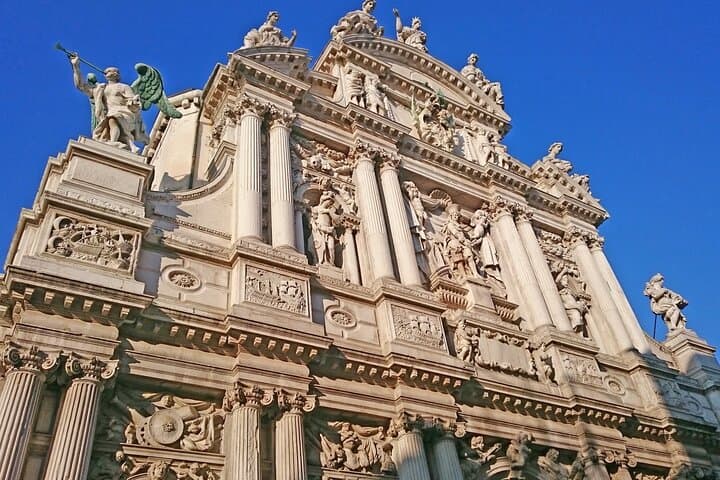
You step off a vaporetto into a lane that smells faintly of salt and baking bread; sunlight strikes the Grand Canal in a sheet of gold and the guide already has a map sketched in memory. Over two hours you move at a local pace—through the understated glory of San Pantalon, past merchant squares where mornings hum with produce stalls, under the Rialto’s arch and finally into the wide sweep of Piazza San Marco.
You step off a vaporetto into a lane that smells faintly of salt and baking bread; sunlight strikes the Grand Canal in a sheet of gold and the guide already has a map sketched in memory. Over two hours you move at a local pace—through the understated glory of San Pantalon, past merchant squares where mornings hum with produce stalls, under the Rialto’s arch and finally into the wide sweep of Piazza San Marco.
Venice’s streets record centuries of trade and rivalry: Byzantine mosaics at San Marco, Renaissance vaulting at Scuola Grande di San Rocco, and Gothic civic architecture that marked the republic’s reach. The city sits where the Po Delta meets the Adriatic; its foundations are wooden piles driven into lagoon silt, a geology that shaped both building methods and daily life.
Culturally, the route threads guild history, religious patronage and artisan ateliers—listen for stories of doges, Tintoretto’s commissions, and how tides have influenced commerce. Local guides provide context that maps alone omit: where to taste a proper cicchetti, when lines thin at monuments, and how the access fee works for day trippers.
Practical guidance: wear non-slip shoes and carry a small water bottle—paved alleys and bridges demand secure footing. Tours cover mostly flat ground with frequent short stops; expect 1.5–3 miles of walking. Morning departures avoid crowds and offer cooler light for photos. If your itinerary includes museum entry, pre-book tickets separately—this walking tour focuses on narrative, viewpoints and the lived texture of Venice itself.