THE ADVENTURE COLLECTIVE® · Independent discovery and booking for outdoor travel

Trace the Canadian advance across Normandy in a single day from Bayeux. Visit Juno Beach Centre, bunkers and cemeteries with an English/French guide and learn the tactical and human story behind D‑Day.
Trace the Canadian advance across Normandy in a single day from Bayeux. Visit Juno Beach Centre, bunkers and cemeteries with an English/French guide and learn the tactical and human story behind D‑Day.
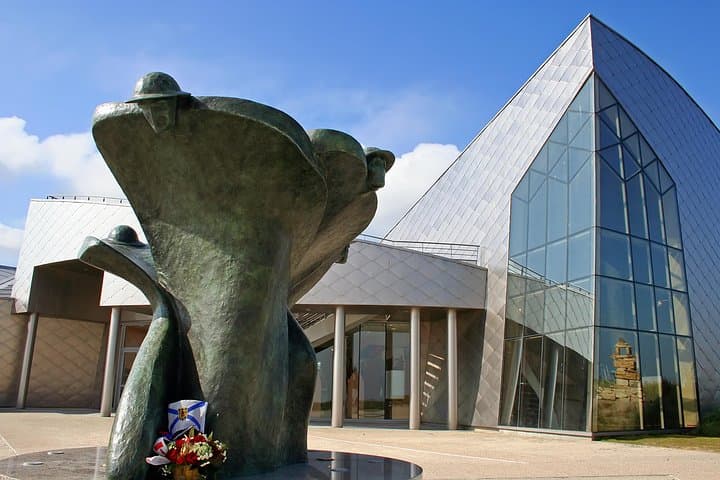
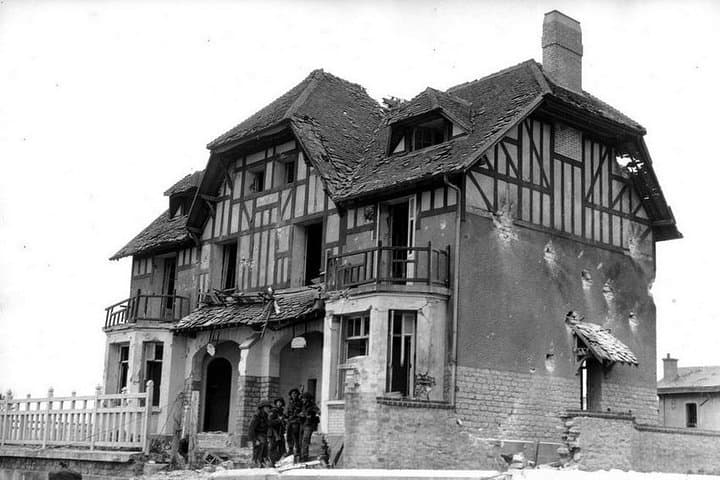
A low sun slants across the Channel as your minivan eases out of Bayeux and the coastline unfolds—chalky cliffs, tidal flats, and small villages that watched history happen. The day moves at a steady, respectful pace: bunkers sitting like weathered teeth in the sand, the Juno Beach Centre’s sober galleries, and small cemeteries where rows of white crosses mark the cost of one of the largest amphibious assaults of the 20th century.
Verified experiences and guided adventures in the surrounding area.
Operated by Normandy Sightseeing Tour · Bayeux, Normandy
A low sun slants across the Channel as your minivan eases out of Bayeux and the coastline unfolds—chalky cliffs, tidal flats, and small villages that watched history happen. The day moves at a steady, respectful pace: bunkers sitting like weathered teeth in the sand, the Juno Beach Centre’s sober galleries, and small cemeteries where rows of white crosses mark the cost of one of the largest amphibious assaults of the 20th century.
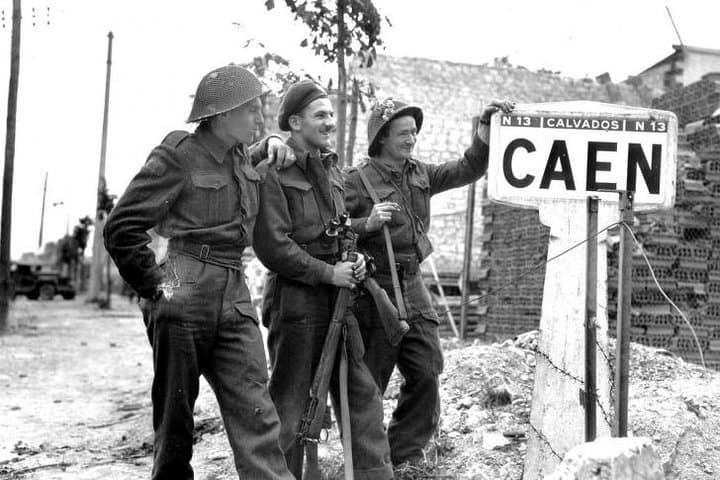
The route tracks the Canadian footprint on D‑Day, June 6, 1944, when soldiers hit these beaches to push inland. Geology here is simple and telling—limestone cliffs, wide tidal shelves, and hedgerow country that channeled movement and shaped tactics. Cultural notes are immediate: Normandy’s agricultural rhythms, wartime museums run by local volunteers, and towns like Bayeux — the first major French town liberated — where medieval streets now host quiet memorials.
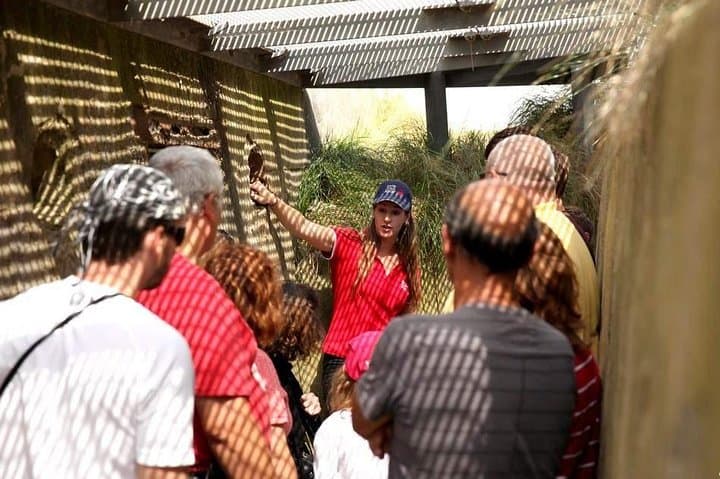
Expect a mix of short walks, interpretive stops and museum time; your guide connects maps and artifacts to human stories rather than battlefield myth. Bring sensible shoes and a respectful mindset—the cemetery grounds and preserved bunkers are protected spaces.
Practical edge: this is an eight‑hour shared tour from Bayeux, limited seating in a compact minivan. There’s hotel pickup in Bayeux, admissions to the Juno Beach Centre included, and a return to town by early evening. Weather on the coast shifts fast—plan layers, water, and time to stand and read the names on a stone before the group moves on.
easy.
8 hours.
Suitable for most fitness levels; light walking and short stair/climb at bunkers and museum sites.
The tour is approximately 8 hours and departs from central Bayeux with hotel pickup available within the town.
Admission to the Juno Beach Centre is included; other stops like interpretive sites and cemeteries have free access or are covered by the tour.
The tour is generally suitable for families and those with moderate mobility, but some sites require short walks and steps; contact the operator about accessibility needs.
Yes—you’ll stop at Juno Beach and nearby bunkers, plus cemeteries and key tactical points that illustrate the Canadian role on D‑Day.
Canadian forces landed at Juno Beach on June 6, 1944; Bayeux was among the first major towns liberated and preserves many wartime records and exhibits.
These sites are protected and maintained by local and international organizations—stay on paths, avoid touching grave markers, and pack out any rubbish to help preserve the landscape.
Normandy Sightseeing Tour operates guided outdoor trips and adventures with an emphasis on safety, stewardship, and memorable experiences.
A low sun slants across the Channel as your minivan eases out of Bayeux and the coastline unfolds—chalky cliffs, tidal flats, and small villages that watched history happen. The day moves at a steady, respectful pace: bunkers sitting like weathered teeth in the sand, the Juno Beach Centre’s sober galleries, and small cemeteries where rows of white crosses mark the cost of one of the largest amphibious assaults of the 20th century.
A low sun slants across the Channel as your minivan eases out of Bayeux and the coastline unfolds—chalky cliffs, tidal flats, and small villages that watched history happen. The day moves at a steady, respectful pace: bunkers sitting like weathered teeth in the sand, the Juno Beach Centre’s sober galleries, and small cemeteries where rows of white crosses mark the cost of one of the largest amphibious assaults of the 20th century.
The route tracks the Canadian footprint on D‑Day, June 6, 1944, when soldiers hit these beaches to push inland. Geology here is simple and telling—limestone cliffs, wide tidal shelves, and hedgerow country that channeled movement and shaped tactics. Cultural notes are immediate: Normandy’s agricultural rhythms, wartime museums run by local volunteers, and towns like Bayeux — the first major French town liberated — where medieval streets now host quiet memorials.
Expect a mix of short walks, interpretive stops and museum time; your guide connects maps and artifacts to human stories rather than battlefield myth. Bring sensible shoes and a respectful mindset—the cemetery grounds and preserved bunkers are protected spaces.
Practical edge: this is an eight‑hour shared tour from Bayeux, limited seating in a compact minivan. There’s hotel pickup in Bayeux, admissions to the Juno Beach Centre included, and a return to town by early evening. Weather on the coast shifts fast—plan layers, water, and time to stand and read the names on a stone before the group moves on.