THE ADVENTURE COLLECTIVE® · Independent discovery and booking for outdoor travel

Explore Cañada de la Virgen on a private, interpretive walk led by an expert bilingual guide. This 4.5-hour tour covers three miles across ceremonial complexes, focusing on archaeoastronomy, burials and local cultural context.
Explore Cañada de la Virgen on a private, interpretive walk led by an expert bilingual guide. This 4.5-hour tour covers three miles across ceremonial complexes, focusing on archaeoastronomy, burials and local cultural context.
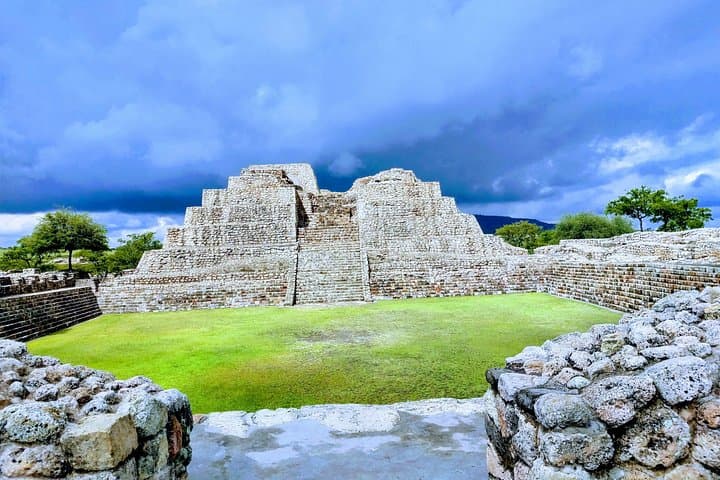
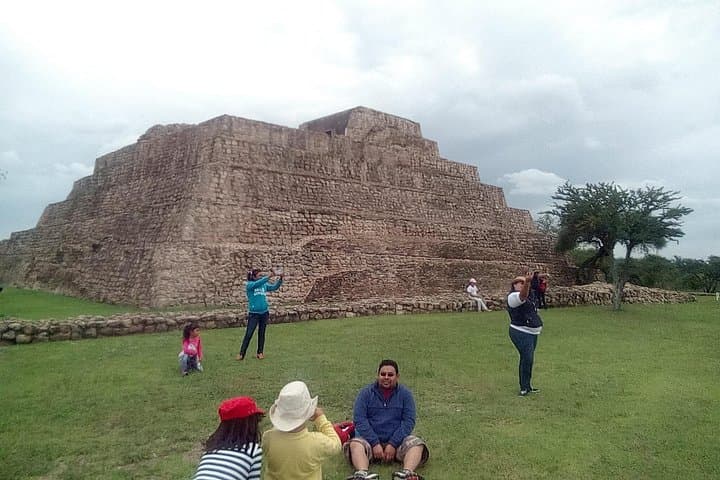
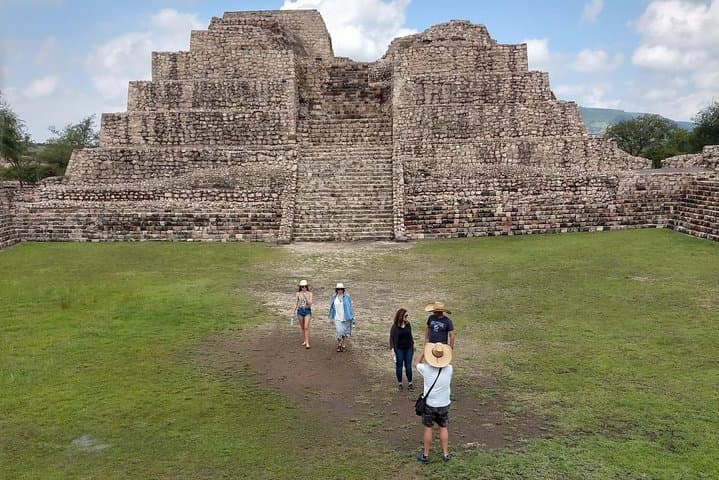
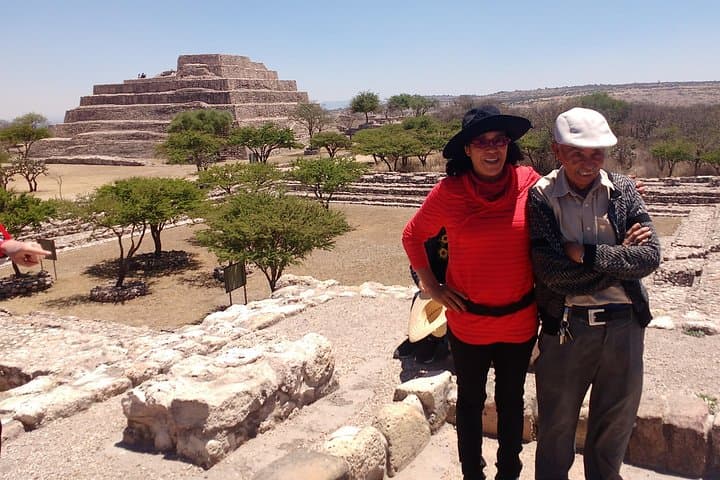
Sun climbs over a rim of scrub and rock as your group steps from the shaded parking area onto a hard-packed path. Professor Jesús Rodríguez—bilingual, local and trained in the site—moves ahead, pointing to aligned stones and the shallow hollows that cut through the plateau. Wind shifts through low mesquite; the cañada itself seems to push you forward toward three raised ceremonial complexes.
Verified experiences and guided adventures in the surrounding area.
Operated by J. Jesus Rodriguez · San Miguel de Allende, Guanajuato
Sun climbs over a rim of scrub and rock as your group steps from the shaded parking area onto a hard-packed path. Professor Jesús Rodríguez—bilingual, local and trained in the site—moves ahead, pointing to aligned stones and the shallow hollows that cut through the plateau. Wind shifts through low mesquite; the cañada itself seems to push you forward toward three raised ceremonial complexes.
Cañada de la Virgen was occupied by Otopame-speaking peoples and radiocarbon dates place major construction phases around 500 A.D. Archaeologists identify the site as both a pilgrimage center and an astronomical observatory: terraces and sightlines mark solar and lunar events, while burial contexts reveal ritual practice and social hierarchy. Geologically, the site sits on the central Mexican plateau where volcanic deposits and erosion shaped steep ravines and flat building platforms; the architecture reads clearly against that volcanic backdrop.
Culturally the area connects to contemporary communities around San Miguel de Allende; the guide frequently links archaeological features to traditional calendar knowledge still present in the region.
Practicalities: expect roughly three miles of mixed uphill and downhill walking over uneven ground and occasional stone steps during a 4.5-hour private tour. The operator requires at least three people to run the tour; entrance fee and bottled water are included. Wear sturdy hiking shoes, sun protection and bring layered clothing for wind and shade changes. Stay on marked trails to protect exposed burials and fragile masonry; photography is allowed but follow guide directions. The pace is interpretive—plan for frequent stops and clear explanations of archaeoastronomy and excavations.
moderate.
4–5 hours.
Moderate fitness recommended; participants should be comfortable walking three miles with some uphill/downhill sections.
The route covers about three miles over mixed uphill and downhill terrain; it’s rated moderate and lasts roughly 4.5 hours including stops.
Yes—entrance to the site and bottled water are included in the tour price; bring additional water for hot days.
Not recommended for pregnant travelers or those with cardiovascular issues; infants must sit on laps and the operator suggests moderate physical fitness.
The operator requires at least three people for the tour to run—confirm availability when booking and plan to reserve in advance.
Constructed and used by Otopame-speaking peoples, the site has ceremonial complexes and sightlines used for calendar observations dating to around 500 A.D.
Access is managed to limit erosion and disturbance to burials—follow signage and guide directions, and avoid removing or touching artifacts.
J. Jesus Rodriguez operates guided outdoor trips and adventures with an emphasis on safety, stewardship, and memorable experiences.
Sun climbs over a rim of scrub and rock as your group steps from the shaded parking area onto a hard-packed path. Professor Jesús Rodríguez—bilingual, local and trained in the site—moves ahead, pointing to aligned stones and the shallow hollows that cut through the plateau. Wind shifts through low mesquite; the cañada itself seems to push you forward toward three raised ceremonial complexes.
Sun climbs over a rim of scrub and rock as your group steps from the shaded parking area onto a hard-packed path. Professor Jesús Rodríguez—bilingual, local and trained in the site—moves ahead, pointing to aligned stones and the shallow hollows that cut through the plateau. Wind shifts through low mesquite; the cañada itself seems to push you forward toward three raised ceremonial complexes.
Cañada de la Virgen was occupied by Otopame-speaking peoples and radiocarbon dates place major construction phases around 500 A.D. Archaeologists identify the site as both a pilgrimage center and an astronomical observatory: terraces and sightlines mark solar and lunar events, while burial contexts reveal ritual practice and social hierarchy. Geologically, the site sits on the central Mexican plateau where volcanic deposits and erosion shaped steep ravines and flat building platforms; the architecture reads clearly against that volcanic backdrop.
Culturally the area connects to contemporary communities around San Miguel de Allende; the guide frequently links archaeological features to traditional calendar knowledge still present in the region.
Practicalities: expect roughly three miles of mixed uphill and downhill walking over uneven ground and occasional stone steps during a 4.5-hour private tour. The operator requires at least three people to run the tour; entrance fee and bottled water are included. Wear sturdy hiking shoes, sun protection and bring layered clothing for wind and shade changes. Stay on marked trails to protect exposed burials and fragile masonry; photography is allowed but follow guide directions. The pace is interpretive—plan for frequent stops and clear explanations of archaeoastronomy and excavations.