THE ADVENTURE COLLECTIVE® · Independent discovery and booking for outdoor travel

Explore the Campo do Gerês Gate entrance to Peneda‑Gerês: a compact museum about local culture and geology followed by a self‑guided hike to Vilarinho das Furnas and a Roman road. Ideal for travelers who want history and nature in a single day.
Explore the Campo do Gerês Gate entrance to Peneda‑Gerês: a compact museum about local culture and geology followed by a self‑guided hike to Vilarinho das Furnas and a Roman road. Ideal for travelers who want history and nature in a single day.
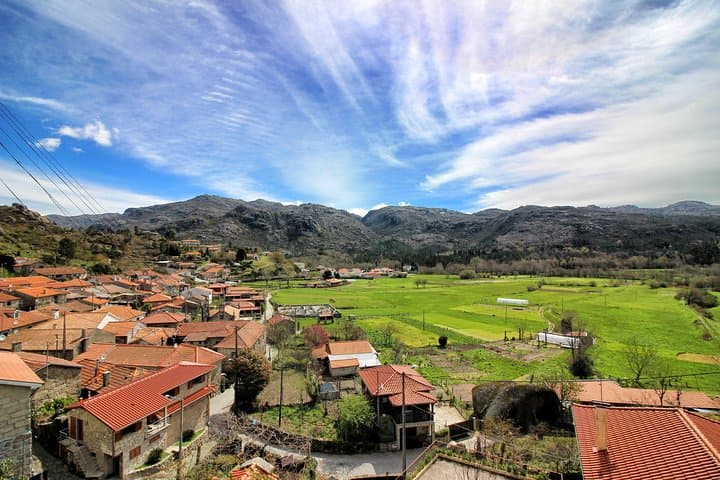
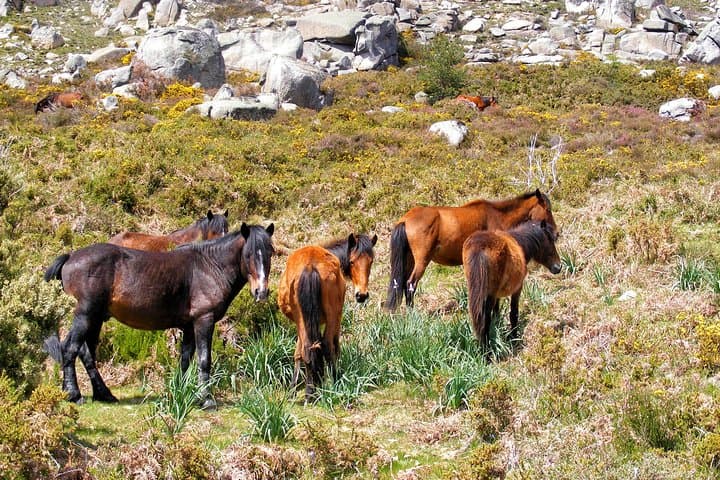
You arrive at the Campo do Gerês museological gate as light slants through oak and pine, coffee steaming in your hands. The gate sits where village life meets wild granite: displays explain shepherding traditions, the park’s flora and fauna, and why this patch of northern Portugal was protected.
Verified experiences and guided adventures in the surrounding area.
Operated by Gerês Equidesafios · Vila do Gerês, Braga District
You arrive at the Campo do Gerês museological gate as light slants through oak and pine, coffee steaming in your hands. The gate sits where village life meets wild granite: displays explain shepherding traditions, the park’s flora and fauna, and why this patch of northern Portugal was protected.
The museum traces human use of these mountains — Roman roads, medieval villages and 20th‑century hydrological projects like the Vilarinho das Furnas dam — layered atop some of the oldest schist and granite formations in the Iberian Peninsula. Cultural notes describe local transhumance, stonework houses and the languages and festivals that persist in nearby villages.
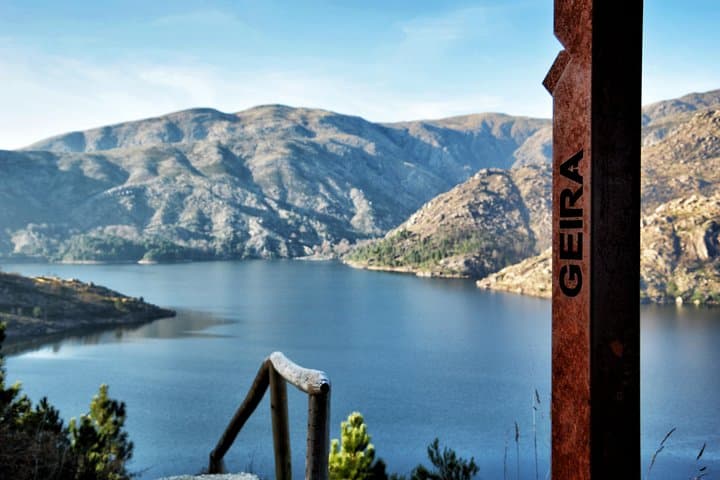
After the short museum walkthrough you switch to self-guided mode with a map and app. Trails lead from the gate into mixed forest, passing granite slabs, tumbling streams and viewpoints over the flooded valley at Vilarinho das Furnas. The Roman road remains underfoot in places: flagged rock and compacted slabs that once moved carts and people across the massif.
Practicalities: expect uneven, sometimes steep terrain with loose scree near viewpoints. Bring layered clothing for rapidly changing weather, good trail shoes, and enough water for an all‑day outing. Start early to avoid afternoon clouds and give yourself time for museum exhibits, a relaxed hike and stops at small village chapels and viewpoints. Respect signage at the dam and carry out all waste — Peneda‑Gerês is both a cultural landscape and a protected ecosystem.
moderate.
8–9 hours.
Moderate fitness required — you should be comfortable with several hours of walking on uneven terrain and some elevation change.
No — the museum visit is self‑guided and the afternoon hike uses a provided map and app, though staff can offer basic orientation.
Yes — the trail leads to viewpoints above the reservoir and historical sites; some sections are steep with stairs or rocky paths.
The gate offers basic visitor amenities like water and tea/coffee; bring snacks as rural services nearby can be limited.
Moderate fitness is recommended; shorter sections can be managed by children or older visitors, but the full day involves several hours of walking.
The site sits on an ancient movement corridor — Roman roads and medieval pastoral routes cross these granite massifs, later interrupted by the mid‑20th century dam projects that reshaped local valleys.
Peneda‑Gerês is Portugal’s only national park; visitors are asked to stay on trails, avoid feeding wildlife and carry out all litter to protect fragile habitats and historical sites.
Gerês Equidesafios operates guided outdoor trips and adventures with an emphasis on safety, stewardship, and memorable experiences.

You arrive at the Campo do Gerês museological gate as light slants through oak and pine, coffee steaming in your hands. The gate sits where village life meets wild granite: displays explain shepherding traditions, the park’s flora and fauna, and why this patch of northern Portugal was protected.
You arrive at the Campo do Gerês museological gate as light slants through oak and pine, coffee steaming in your hands. The gate sits where village life meets wild granite: displays explain shepherding traditions, the park’s flora and fauna, and why this patch of northern Portugal was protected.
The museum traces human use of these mountains — Roman roads, medieval villages and 20th‑century hydrological projects like the Vilarinho das Furnas dam — layered atop some of the oldest schist and granite formations in the Iberian Peninsula. Cultural notes describe local transhumance, stonework houses and the languages and festivals that persist in nearby villages.
After the short museum walkthrough you switch to self-guided mode with a map and app. Trails lead from the gate into mixed forest, passing granite slabs, tumbling streams and viewpoints over the flooded valley at Vilarinho das Furnas. The Roman road remains underfoot in places: flagged rock and compacted slabs that once moved carts and people across the massif.
Practicalities: expect uneven, sometimes steep terrain with loose scree near viewpoints. Bring layered clothing for rapidly changing weather, good trail shoes, and enough water for an all‑day outing. Start early to avoid afternoon clouds and give yourself time for museum exhibits, a relaxed hike and stops at small village chapels and viewpoints. Respect signage at the dam and carry out all waste — Peneda‑Gerês is both a cultural landscape and a protected ecosystem.