THE ADVENTURE COLLECTIVE® · Independent discovery and booking for outdoor travel

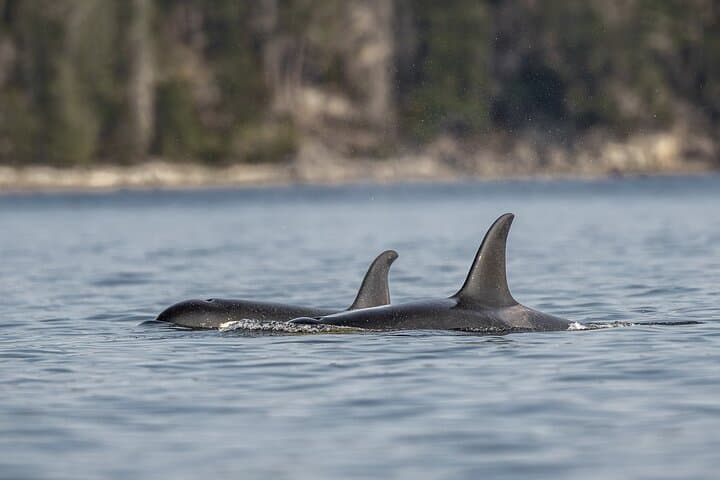
Small-group whale watching from Campbell River takes you into the Discovery Islands where humpbacks, orcas and grey whales pass seasonally. Private tours (max 6) prioritize close but respectful viewing, expert commentary, and all-weather readiness.
Small-group whale watching from Campbell River takes you into the Discovery Islands where humpbacks, orcas and grey whales pass seasonally. Private tours (max 6) prioritize close but respectful viewing, expert commentary, and all-weather readiness.
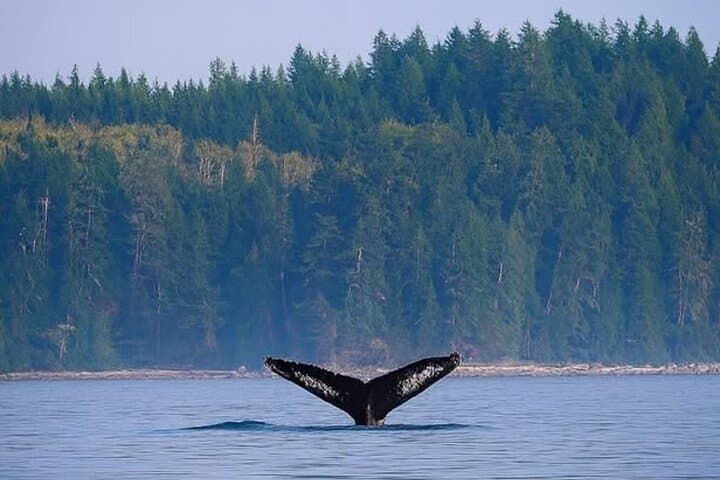
Early morning fog lifts off the Salish Sea as the boat slips from Campbell River's marina, the shoreline receding and wavelets daring you to look closer. Guides scan the waterline and the horizon — movement, spouts, dorsal fins — then point: a humpback arches, its blind eye glinting like a secret. The small-group format keeps the experience intimate; six guests feel part of the crew rather than passengers.
Verified experiences and guided adventures in the surrounding area.
Operated by FierceFishOceanAdventures · Campbell River, British Columbia
Early morning fog lifts off the Salish Sea as the boat slips from Campbell River's marina, the shoreline receding and wavelets daring you to look closer. Guides scan the waterline and the horizon — movement, spouts, dorsal fins — then point: a humpback arches, its blind eye glinting like a secret. The small-group format keeps the experience intimate; six guests feel part of the crew rather than passengers.
This stretch of Vancouver Island has long been a marine crossroads. Geologically sculpted by glacial carve and tidal churn, the Discovery Islands create deep channels that funnel prey and, in turn, attract whales. Culturally, the region sits within territories of K'ómoks and Laich-kwil-tach nations whose histories are intertwined with salmon runs and coastal travel.
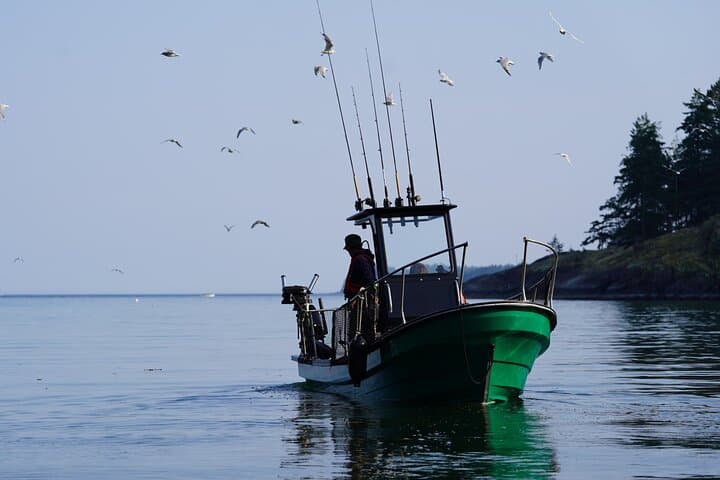
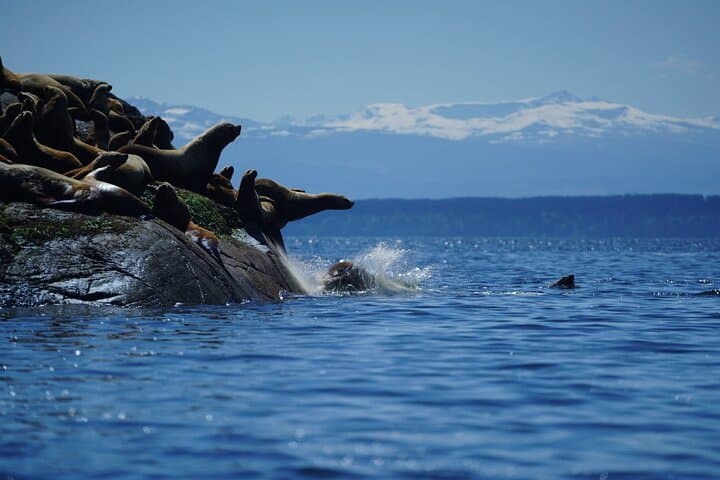
Expect a day of stop-and-watch rhythm: slow idles near feeding areas, radio updates from other boats, and narrative from guides about whale behavior, seasonal movements and local seabirds. Cameras and binoculars are helpful; decks are stable but exposed.
Practical notes: tours run year-round with highest sighting odds April–November; trips last roughly 3–6 hours. Dress in layers and waterproof outerwear — coastal weather shifts quickly. Motion-sickness remedies are prudent for first-timers. Respectful viewing distances and the guide’s instructions keep encounters safe for both whales and people.
For photographers and families, the combination of accessible boat access, knowledgeable interpretation, and rich marine life makes Campbell River whale watching a focused way to connect with British Columbia’s ocean life without high exertion — an oceanic classroom with a pulse.
easy.
3–6 hours.
Suitable for most fitness levels; must be able to board a small boat and stand or sit on deck for several hours.
You may encounter humpbacks, orcas, and gray whales; peak sighting season is April–November though tours run year-round.
Yes—small-group private boats accommodate a range of ages; infant seats are available and physical requirements are low.
Tours operate year-round; operators monitor conditions and will advise guests—cancellation policy allows a full refund if you cancel 24+ hours ahead.
Yes—guides typically supply binoculars, life jackets and bottled water; bringing personal optics is optional.
The waters are within the traditional territories of K'ómoks and Laich-kwil-tach peoples, whose cultures have long relied on coastal marine resources and travel routes.
Operators follow marine mammal viewing guidelines to minimize disturbance; support local guides who practice responsible sighting distances and report active or injured animals.
FierceFishOceanAdventures operates guided outdoor trips and adventures with an emphasis on safety, stewardship, and memorable experiences.
Early morning fog lifts off the Salish Sea as the boat slips from Campbell River's marina, the shoreline receding and wavelets daring you to look closer. Guides scan the waterline and the horizon — movement, spouts, dorsal fins — then point: a humpback arches, its blind eye glinting like a secret. The small-group format keeps the experience intimate; six guests feel part of the crew rather than passengers.
Early morning fog lifts off the Salish Sea as the boat slips from Campbell River's marina, the shoreline receding and wavelets daring you to look closer. Guides scan the waterline and the horizon — movement, spouts, dorsal fins — then point: a humpback arches, its blind eye glinting like a secret. The small-group format keeps the experience intimate; six guests feel part of the crew rather than passengers.
This stretch of Vancouver Island has long been a marine crossroads. Geologically sculpted by glacial carve and tidal churn, the Discovery Islands create deep channels that funnel prey and, in turn, attract whales. Culturally, the region sits within territories of K'ómoks and Laich-kwil-tach nations whose histories are intertwined with salmon runs and coastal travel.
Expect a day of stop-and-watch rhythm: slow idles near feeding areas, radio updates from other boats, and narrative from guides about whale behavior, seasonal movements and local seabirds. Cameras and binoculars are helpful; decks are stable but exposed.
Practical notes: tours run year-round with highest sighting odds April–November; trips last roughly 3–6 hours. Dress in layers and waterproof outerwear — coastal weather shifts quickly. Motion-sickness remedies are prudent for first-timers. Respectful viewing distances and the guide’s instructions keep encounters safe for both whales and people.
For photographers and families, the combination of accessible boat access, knowledgeable interpretation, and rich marine life makes Campbell River whale watching a focused way to connect with British Columbia’s ocean life without high exertion — an oceanic classroom with a pulse.