THE ADVENTURE COLLECTIVE® · Independent discovery and booking for outdoor travel

A day-trip into the Maule mountains rewards motivated travelers with secluded hot pools, steam vents and short rivers to cross. Campanario Baths pairs an easy hike with thermal waters—ideal for those who want remote soaking without a multi-day trek.
A day-trip into the Maule mountains rewards motivated travelers with secluded hot pools, steam vents and short rivers to cross. Campanario Baths pairs an easy hike with thermal waters—ideal for those who want remote soaking without a multi-day trek.
The road narrows into a gravel ribbon, then gives way to a short, steep track that drops into a bell-shaped valley. Steam rises in pockets from rock pools; the river dares you to cross and find the hottest tubs hidden among willows and lichen-dark boulders. The first step into the Campanario thermal pools is tactile—the heat hits your calves, the air smells faintly of iron, and mountain quiet folds around you.
Verified experiences and guided adventures in the surrounding area.
Operated by Andes Maule Travel · Talca, Maule
The road narrows into a gravel ribbon, then gives way to a short, steep track that drops into a bell-shaped valley. Steam rises in pockets from rock pools; the river dares you to cross and find the hottest tubs hidden among willows and lichen-dark boulders. The first step into the Campanario thermal pools is tactile—the heat hits your calves, the air smells faintly of iron, and mountain quiet folds around you.
Geologically these springs are fed by the tectonic seams of the Maulina range, where groundwater meets subterranean heat from fractured volcanic rock. Locally the waters have long been visited by rural communities for rest and skin relief; Mapuche and settler histories overlap in the valley’s place names and seasonal pilgrimage. The tour often pairs the hotter Campanario pools with the cooler Médano baths downstream, offering contrasting temperatures and a chance to see steam vents in action.
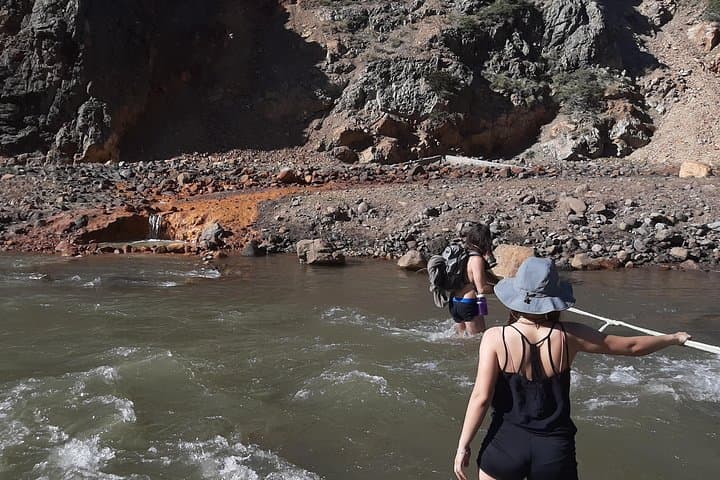
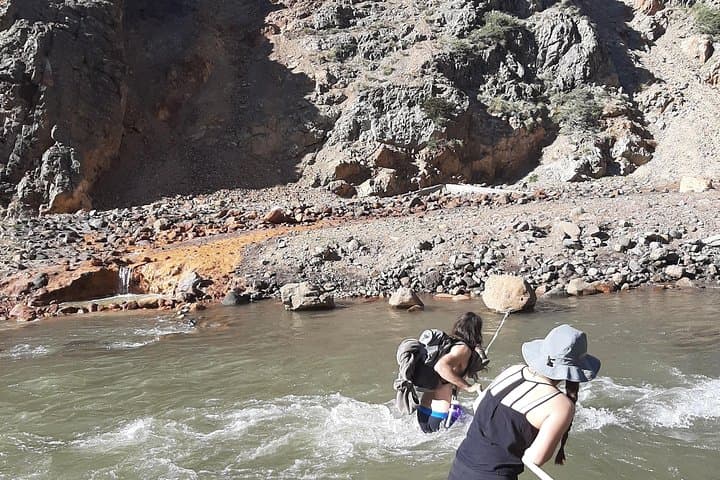
Practical guidance: expect a short but uneven 20-minute walk from the parking spot—rocky creek crossings are part of the approach. The full excursion listed by operators is a long day (10–12 hours) including private transport from Talca; bring a towel, extra clothes, and water shoes for traction and hygiene. Temperatures in the hottest pools exceed 35°C, so limit immersion to avoid overheating. Sun exposure can be strong at altitude—use sunscreen and a hat. Respect fragile riparian plants and pack out any trash; the pools have minimal infrastructure and rely on low-impact visitors.
Timing your visit for morning light reduces crowds and keeps the water cooler; a guide enhances safety and route-finding in this remote valley.
easy.
10–12 hours.
Basic walking fitness; able to manage short uneven trails and shallow creek crossings
The approach is short—about 15–25 minutes—but uneven and includes a couple of shallow stream crossings.
These are largely natural rock pools with minimal infrastructure; expect rustic conditions and natural steam vents.
The walk is short but somewhat rocky; those with mobility issues should consider assistance. Not recommended for pregnant travelers or people with serious heart conditions.
Typical tours include private transport, a guide, snacks and photos; bring swimwear, water shoes, a towel, sun protection and extra water.
Local valleys around the Maule River have long been used by indigenous Mapuche communities and later rural settlers, who value thermal waters for therapeutic use.
The site has minimal built infrastructure—visitors should pack out trash, avoid soaps in pools, and stick to established approaches to protect vegetation and water quality.
Andes Maule Travel operates guided outdoor trips and adventures with an emphasis on safety, stewardship, and memorable experiences.
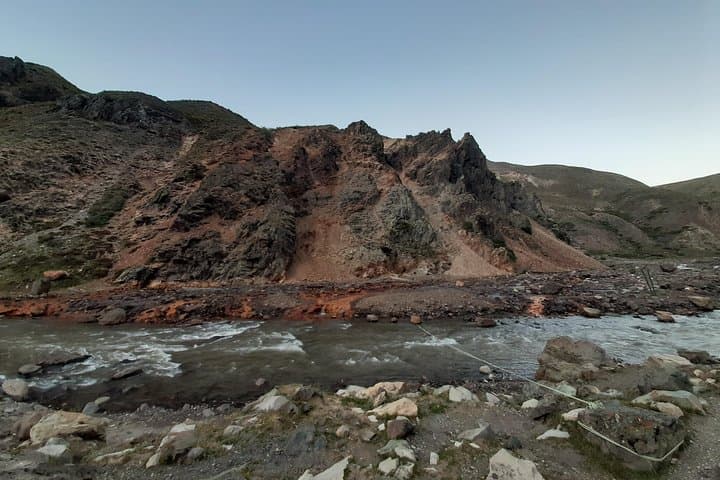
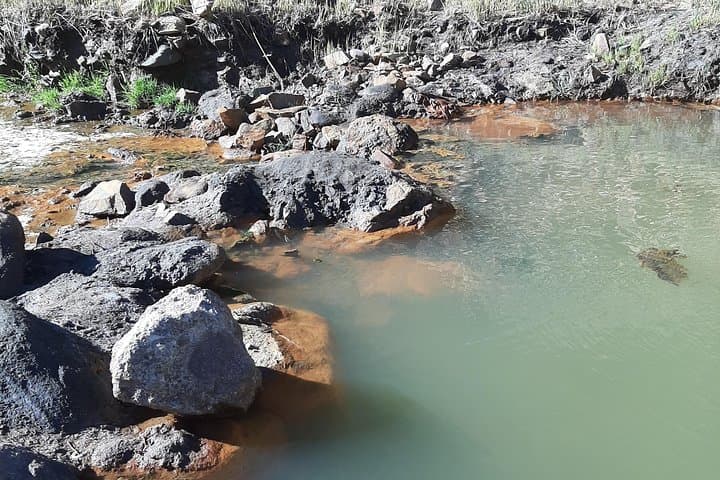
The road narrows into a gravel ribbon, then gives way to a short, steep track that drops into a bell-shaped valley. Steam rises in pockets from rock pools; the river dares you to cross and find the hottest tubs hidden among willows and lichen-dark boulders. The first step into the Campanario thermal pools is tactile—the heat hits your calves, the air smells faintly of iron, and mountain quiet folds around you.
The road narrows into a gravel ribbon, then gives way to a short, steep track that drops into a bell-shaped valley. Steam rises in pockets from rock pools; the river dares you to cross and find the hottest tubs hidden among willows and lichen-dark boulders. The first step into the Campanario thermal pools is tactile—the heat hits your calves, the air smells faintly of iron, and mountain quiet folds around you.
Geologically these springs are fed by the tectonic seams of the Maulina range, where groundwater meets subterranean heat from fractured volcanic rock. Locally the waters have long been visited by rural communities for rest and skin relief; Mapuche and settler histories overlap in the valley’s place names and seasonal pilgrimage. The tour often pairs the hotter Campanario pools with the cooler Médano baths downstream, offering contrasting temperatures and a chance to see steam vents in action.
Practical guidance: expect a short but uneven 20-minute walk from the parking spot—rocky creek crossings are part of the approach. The full excursion listed by operators is a long day (10–12 hours) including private transport from Talca; bring a towel, extra clothes, and water shoes for traction and hygiene. Temperatures in the hottest pools exceed 35°C, so limit immersion to avoid overheating. Sun exposure can be strong at altitude—use sunscreen and a hat. Respect fragile riparian plants and pack out any trash; the pools have minimal infrastructure and rely on low-impact visitors.
Timing your visit for morning light reduces crowds and keeps the water cooler; a guide enhances safety and route-finding in this remote valley.