THE ADVENTURE COLLECTIVE® · Independent discovery and booking for outdoor travel

Spend a night on Mount Batur’s crater rim for sunset, sunrise and a soak in nearby hot springs. This two‑day camping trip combines an achievable summit hike with volcanic landscapes, local coffee farms and practical guided camping.
Spend a night on Mount Batur’s crater rim for sunset, sunrise and a soak in nearby hot springs. This two‑day camping trip combines an achievable summit hike with volcanic landscapes, local coffee farms and practical guided camping.
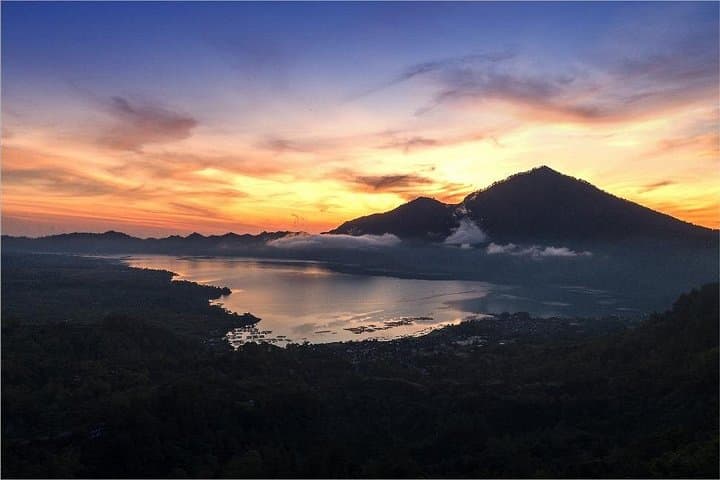
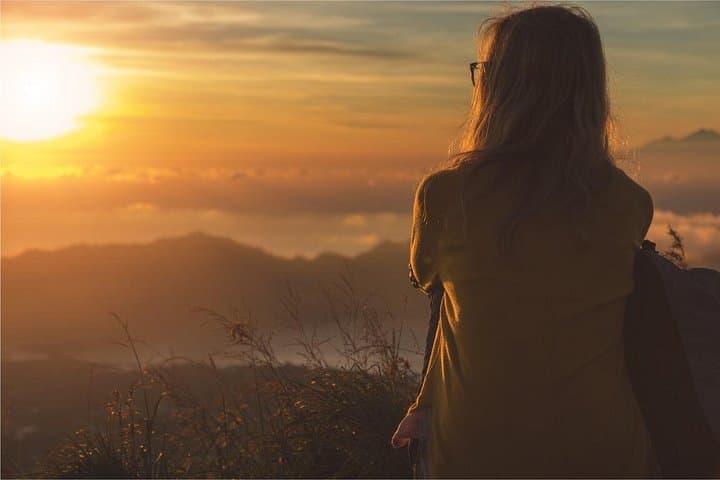
Late-afternoon light drains from the caldera and the trailhead breathes cool air as you set off toward Mount Batur’s rim. The hike climbs through black volcanic scree, silent coffee terraces, and sparse acacia until the crater’s lip opens—a low, ragged skyline where guides arrange dinner, and the sky slides into gold.
Verified experiences and guided adventures in the surrounding area.
Operated by Bamba Travel · Toya Bungkah, Bali
Late-afternoon light drains from the caldera and the trailhead breathes cool air as you set off toward Mount Batur’s rim. The hike climbs through black volcanic scree, silent coffee terraces, and sparse acacia until the crater’s lip opens—a low, ragged skyline where guides arrange dinner, and the sky slides into gold.
Mount Batur is an active shield volcano on Bali’s northern caldera edge; eruptions over centuries reshaped local villages and irrigated fertile soils that support coffee and clove farms in the Kintamani region. Geology is obvious here: pumice beds, fissures that steam in places, and a broad crater lake below that speaks to repeated eruptions and collapse. Culturally, the mountain is woven into Balinese ritual life—temples and offerings dot nearby villages and the landscape supports smallholder agriculture that’s been practiced for generations.
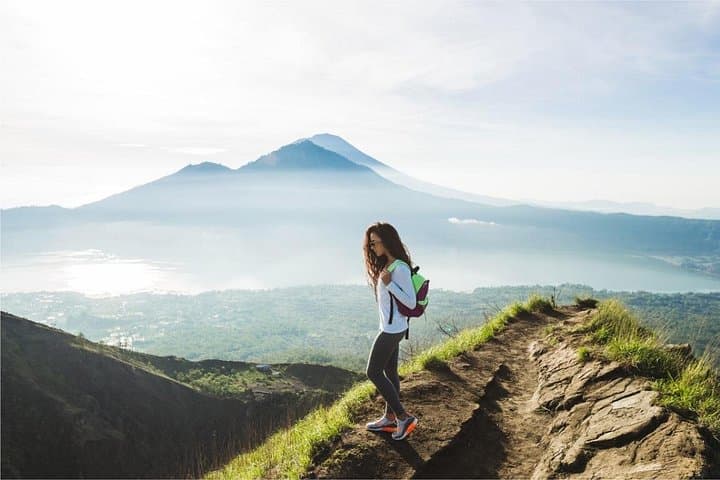
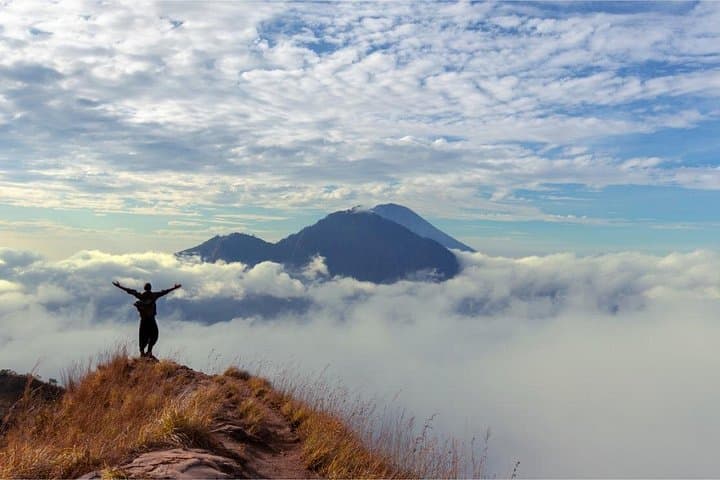
Expect roughly 3–4 hours of uphill hiking to camp depending on pace, uneven volcanic terrain underfoot, and cold conditions after sundown. Sunrise rewards the early wake: views to Mount Agung and, on clear days, Lombok’s Rinjani across the sea. After descent you can soothe muscles in Toya Bungkah’s hot springs and visit a local coffee plantation to sample beans grown on volcanic ash.
Practical notes: pack a warm sleeping layer, headlamp, sturdy boots, and water; nights are colder than Kuta. Guides handle tents, meals, and permits, but personal comfort items and a small dry bag for electronics make the trip smoother. Aim for the dry season to reduce slippery trail conditions and plan for early starts and steady pacing—this is camping with a climbing feel, not technical mountaineering.
moderate.
48 hours (2 days).
Good general fitness; comfortable walking uphill for 3–4 hours with a small overnight pack or daypack.
The trail is steep in sections and crosses loose volcanic scree; most guests with moderate fitness complete the 3–4 hour ascent guided and without technical gear.
Yes—guided trips include camping equipment, dinner on night one and breakfast the next morning, plus snacks and local guide support.
Yes—Toya Bungkah hot springs are a common stop after descent; bring swimwear and a towel (some facilities charge a small entry fee).
Mount Batur’s summit is around 1,717 m; altitude sickness is uncommon but stay hydrated, move at your pace, and inform guides of any health concerns—this tour isn’t recommended for people with serious cardiovascular conditions.
Mount Batur’s eruptions have shaped Kintamani’s caldera and soil fertility; local villages maintain temples and rituals tied to the volcano’s power.
High visitor numbers and informal campsites stress fragile soils and hot springs; follow Leave No Trace, pack out waste, and use established trails and designated camping areas.
Bamba Travel operates guided outdoor trips and adventures with an emphasis on safety, stewardship, and memorable experiences.
Late-afternoon light drains from the caldera and the trailhead breathes cool air as you set off toward Mount Batur’s rim. The hike climbs through black volcanic scree, silent coffee terraces, and sparse acacia until the crater’s lip opens—a low, ragged skyline where guides arrange dinner, and the sky slides into gold.
Late-afternoon light drains from the caldera and the trailhead breathes cool air as you set off toward Mount Batur’s rim. The hike climbs through black volcanic scree, silent coffee terraces, and sparse acacia until the crater’s lip opens—a low, ragged skyline where guides arrange dinner, and the sky slides into gold.
Mount Batur is an active shield volcano on Bali’s northern caldera edge; eruptions over centuries reshaped local villages and irrigated fertile soils that support coffee and clove farms in the Kintamani region. Geology is obvious here: pumice beds, fissures that steam in places, and a broad crater lake below that speaks to repeated eruptions and collapse. Culturally, the mountain is woven into Balinese ritual life—temples and offerings dot nearby villages and the landscape supports smallholder agriculture that’s been practiced for generations.
Expect roughly 3–4 hours of uphill hiking to camp depending on pace, uneven volcanic terrain underfoot, and cold conditions after sundown. Sunrise rewards the early wake: views to Mount Agung and, on clear days, Lombok’s Rinjani across the sea. After descent you can soothe muscles in Toya Bungkah’s hot springs and visit a local coffee plantation to sample beans grown on volcanic ash.
Practical notes: pack a warm sleeping layer, headlamp, sturdy boots, and water; nights are colder than Kuta. Guides handle tents, meals, and permits, but personal comfort items and a small dry bag for electronics make the trip smoother. Aim for the dry season to reduce slippery trail conditions and plan for early starts and steady pacing—this is camping with a climbing feel, not technical mountaineering.