THE ADVENTURE COLLECTIVE® · Independent discovery and booking for outdoor travel

Sleep atop one of the world's most famous monuments on a guided overnight camp on the Great Wall near Beijing. Expect a guided hike, farmhouse dinner, tents on the parapet and sunrise views over the ridgelines.
Sleep atop one of the world's most famous monuments on a guided overnight camp on the Great Wall near Beijing. Expect a guided hike, farmhouse dinner, tents on the parapet and sunrise views over the ridgelines.
Evening light sinks behind a crooked ridge of watchtowers as you climb the ancient battlement to claim a flat stretch of stone for the night. The wind on the parapet tugs at tent fabric; below, folded valleys erase the highway noise and leave only the hush of night and distant village lights. This is camping on the Great Wall—an uncommon overnight that trades crowds for sky and the slow rhythm of the wall's stones.
Verified experiences and guided adventures in the surrounding area.
Operated by Camp The Wall · Beijing, Beijing
Evening light sinks behind a crooked ridge of watchtowers as you climb the ancient battlement to claim a flat stretch of stone for the night. The wind on the parapet tugs at tent fabric; below, folded valleys erase the highway noise and leave only the hush of night and distant village lights. This is camping on the Great Wall—an uncommon overnight that trades crowds for sky and the slow rhythm of the wall's stones.
The Great Wall you sleep on is largely Ming-dynasty masonry: brick-faced ramparts, crenellated parapets and watchtowers that once watched for cavalry on the steppe. Geology matters here—granite and locally quarried stone laid across ridgelines—so expect uneven footing and narrow terraces. Culturally, sections near the Ming Tombs and countryside are still woven with local farming communities; evening meals often come from nearby households.
Practically, the tour is a two-day, moderate hike-and-camp experience with guided transport from Beijing, dinner at a local farmhouse, and provided tents and sleeping bags. Hikes involve stone steps, short steep stretches and carrying a small overnight pack back up to the wall. Weather shifts quickly at elevation: clear starlit nights can turn windy and cold before dawn. Leave no trace—this fragile heritage requires careful stewardship.
Plan for headlamps, sturdy boots, layered insulation and enough water for the ascent. Timing your climb for sunset and the pre-dawn sunrise rewards you with the wall's sculpted silhouette. For anyone seeking a raw, tactile connection to one of the world's great structures, camping on the wall is equal parts history, exposure and calm night sky.
moderate.
2 days (≈48 hours).
Moderate fitness; able to hike sections of uneven stone and climb several hundred feet of steps with a light overnight pack
No formal experience required; guide and basic camping gear are provided, but you should be comfortable with overnighting outdoors and hiking on uneven stone.
No—only specific, permitted sections allow overnight camping; this tour uses less-crowded, authorized areas and includes guidance on rules.
The itinerary includes a local farmhouse dinner and a simple breakfast on the wall; bring snacks and any dietary necessities in advance.
Expect roughly 1.5–3 hours each way depending on the chosen wall section and traffic; transport is provided in an air-conditioned vehicle.
Most walkable sections are rebuilt or reinforced during the Ming dynasty (14th–17th centuries) to defend the capital and trade routes; many towers served as signal and garrison posts.
The Great Wall suffers from erosion and unauthorized modifications—campers should stick to permitted areas, avoid attaching gear to masonry, and pack out all trash to reduce impact.
Camp The Wall operates guided outdoor trips and adventures with an emphasis on safety, stewardship, and memorable experiences.
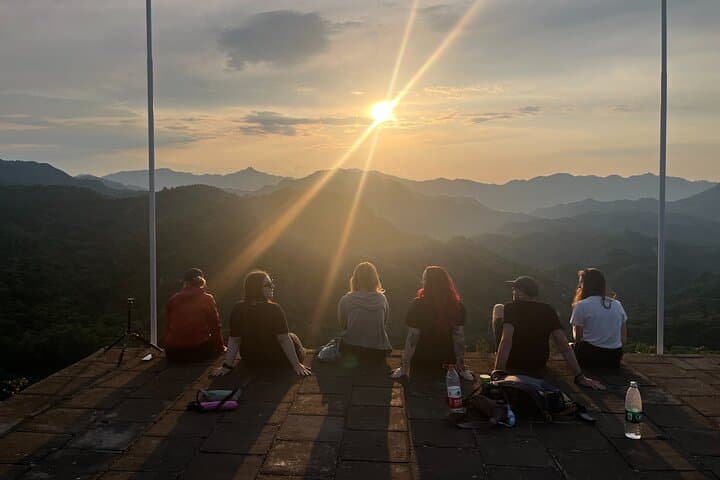
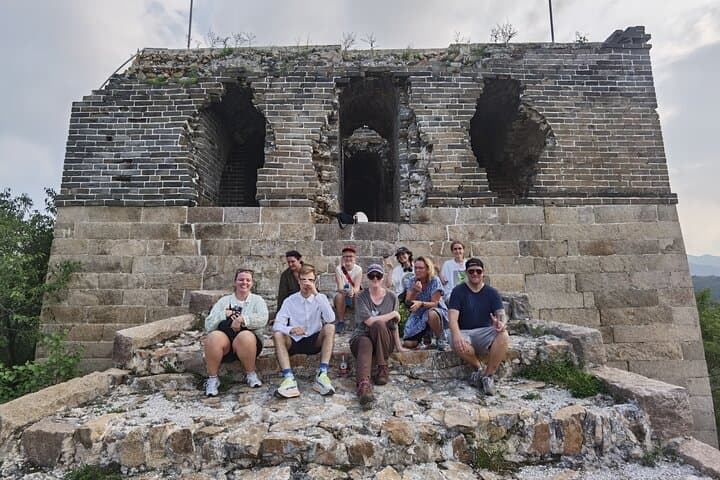
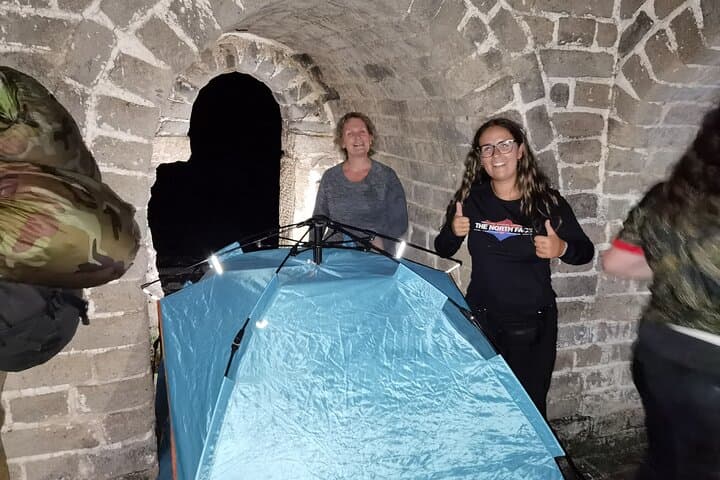
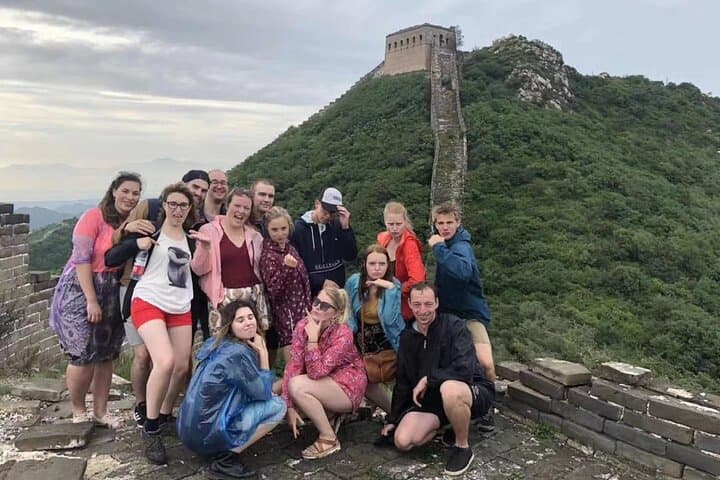
Evening light sinks behind a crooked ridge of watchtowers as you climb the ancient battlement to claim a flat stretch of stone for the night. The wind on the parapet tugs at tent fabric; below, folded valleys erase the highway noise and leave only the hush of night and distant village lights. This is camping on the Great Wall—an uncommon overnight that trades crowds for sky and the slow rhythm of the wall's stones.
Evening light sinks behind a crooked ridge of watchtowers as you climb the ancient battlement to claim a flat stretch of stone for the night. The wind on the parapet tugs at tent fabric; below, folded valleys erase the highway noise and leave only the hush of night and distant village lights. This is camping on the Great Wall—an uncommon overnight that trades crowds for sky and the slow rhythm of the wall's stones.
The Great Wall you sleep on is largely Ming-dynasty masonry: brick-faced ramparts, crenellated parapets and watchtowers that once watched for cavalry on the steppe. Geology matters here—granite and locally quarried stone laid across ridgelines—so expect uneven footing and narrow terraces. Culturally, sections near the Ming Tombs and countryside are still woven with local farming communities; evening meals often come from nearby households.
Practically, the tour is a two-day, moderate hike-and-camp experience with guided transport from Beijing, dinner at a local farmhouse, and provided tents and sleeping bags. Hikes involve stone steps, short steep stretches and carrying a small overnight pack back up to the wall. Weather shifts quickly at elevation: clear starlit nights can turn windy and cold before dawn. Leave no trace—this fragile heritage requires careful stewardship.
Plan for headlamps, sturdy boots, layered insulation and enough water for the ascent. Timing your climb for sunset and the pre-dawn sunrise rewards you with the wall's sculpted silhouette. For anyone seeking a raw, tactile connection to one of the world's great structures, camping on the wall is equal parts history, exposure and calm night sky.