THE ADVENTURE COLLECTIVE® · Independent discovery and booking for outdoor travel

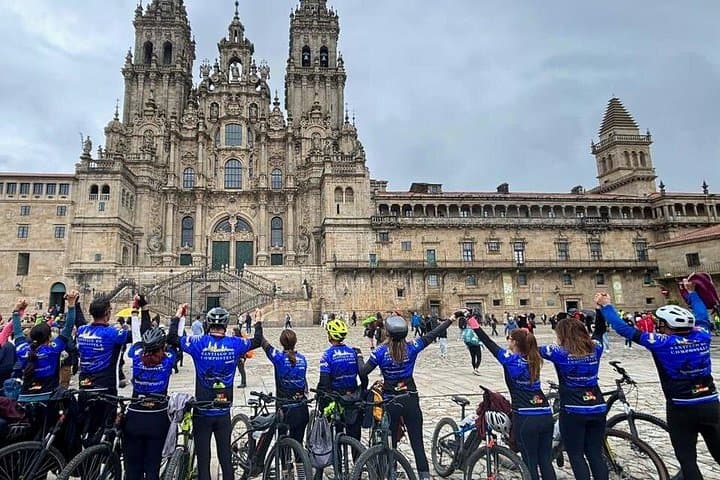
Cycle the coastal Camino Portugués from Porto to Santiago de Compostela over six riding days. Expect coastal lanes, ferry crossings, centuries-old churches, and steady climbs into Galicia’s green hills.
Cycle the coastal Camino Portugués from Porto to Santiago de Compostela over six riding days. Expect coastal lanes, ferry crossings, centuries-old churches, and steady climbs into Galicia’s green hills.
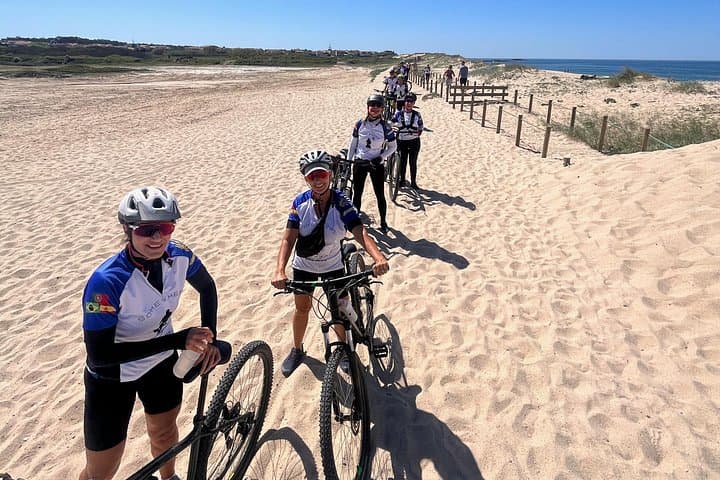
Salt wind pushes at your face as you roll out from Porto, river mouths opening and the Atlantic daring you to look farther than the next headland. The route follows the coastal strand of the Camino Portugués, where yellow arrows and scallop shells mark a pilgrimage that has guided walkers and riders for centuries.
Verified experiences and guided adventures in the surrounding area.
Operated by SomeWherein.PT - Ebike tours · Porto, Norte
Salt wind pushes at your face as you roll out from Porto, river mouths opening and the Atlantic daring you to look farther than the next headland. The route follows the coastal strand of the Camino Portugués, where yellow arrows and scallop shells mark a pilgrimage that has guided walkers and riders for centuries.
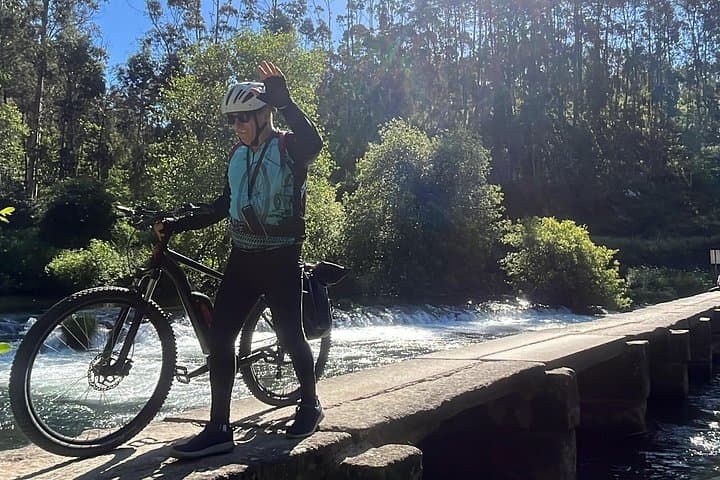
The terrain alternates between paved coastal promenades, dedicated bike lanes beside old windmills, and short inland climbs through oak and eucalyptus that hint at Galicia’s green geology—granite spine meeting Atlantic slabs. Towns like Vila Praia Âncora and Redondela wear their maritime history in stone churches and old fishing quarters; ferry crossings across the Minho river are living reminders of the fluid border with Spain.
Culturally the ride blends pilgrimage ritual with seaside life: you’ll pass shrines and wayside crosses, then end a day at a hotel overlooking surf where local seafood and Galician bread close out long miles. The route rewards steady pacing—some long ascents before Padron—and a communal rhythm as other pilgrims converge toward Santiago de Compostela.
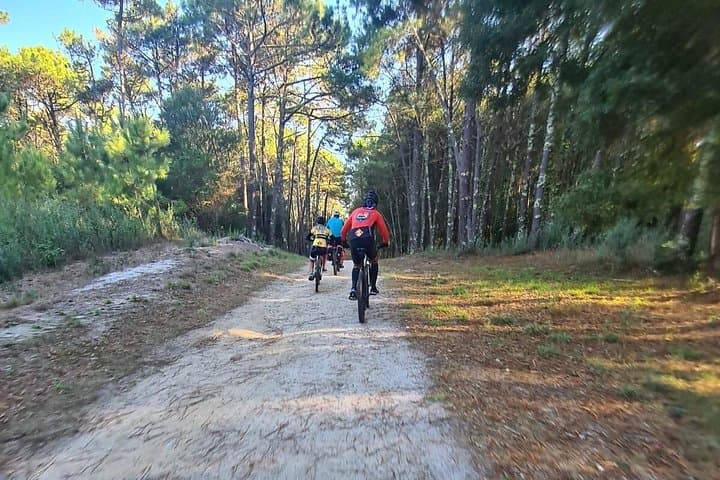
Practical guidance: expect mostly paved surfaces with occasional gravel approaches and uphills that require a low gear and conservative pacing. Average daily riding ranges 40–85 km depending on the stage; luggage transfer and hotel nights are included, easing logistics. Bring layered waterproofs for Atlantic spit and a saddle you’ve tested—seat comfort matters more than speed. Time departures for morning light and avoid the midday sun; hydrate regularly and check ferry schedules on cross-border days.
moderate.
6–7 days.
Moderate aerobic fitness; able to ride 40–85 km per day with sustained climbs and short steep sections
E-bikes are available at extra cost (approx. EUR 190) and should be reserved in advance due to limited supply.
A moderate level of fitness is expected; daily distances vary and include sustained climbs—prior multi-hour rides are recommended.
Yes—daily luggage transfers between hotels are included so you ride with a daypack only.
Carry your passport or EU ID—border crossings are routine but you should have identification for ferries and any checks.
The Camino Portugués evolved over centuries as pilgrims traveled toward Santiago; coastal branches served maritime communities and monasteries that collected offerings and provided lodging.
Stick to marked routes to protect dune systems and coastal vegetation; use refillable water bottles and carry out waste to minimize impact.
SomeWherein.PT - Ebike tours operates guided outdoor trips and adventures with an emphasis on safety, stewardship, and memorable experiences.
Salt wind pushes at your face as you roll out from Porto, river mouths opening and the Atlantic daring you to look farther than the next headland. The route follows the coastal strand of the Camino Portugués, where yellow arrows and scallop shells mark a pilgrimage that has guided walkers and riders for centuries.
Salt wind pushes at your face as you roll out from Porto, river mouths opening and the Atlantic daring you to look farther than the next headland. The route follows the coastal strand of the Camino Portugués, where yellow arrows and scallop shells mark a pilgrimage that has guided walkers and riders for centuries.
The terrain alternates between paved coastal promenades, dedicated bike lanes beside old windmills, and short inland climbs through oak and eucalyptus that hint at Galicia’s green geology—granite spine meeting Atlantic slabs. Towns like Vila Praia Âncora and Redondela wear their maritime history in stone churches and old fishing quarters; ferry crossings across the Minho river are living reminders of the fluid border with Spain.
Culturally the ride blends pilgrimage ritual with seaside life: you’ll pass shrines and wayside crosses, then end a day at a hotel overlooking surf where local seafood and Galician bread close out long miles. The route rewards steady pacing—some long ascents before Padron—and a communal rhythm as other pilgrims converge toward Santiago de Compostela.
Practical guidance: expect mostly paved surfaces with occasional gravel approaches and uphills that require a low gear and conservative pacing. Average daily riding ranges 40–85 km depending on the stage; luggage transfer and hotel nights are included, easing logistics. Bring layered waterproofs for Atlantic spit and a saddle you’ve tested—seat comfort matters more than speed. Time departures for morning light and avoid the midday sun; hydrate regularly and check ferry schedules on cross-border days.