THE ADVENTURE COLLECTIVE® · Independent discovery and booking for outdoor travel

Walk a repaired early-20th-century boardwalk clinging to a 300m-high gorge on a day trip from Granada. This guided tour pairs transportation, local history, and the exposed thrill of Desfiladero de los Gaitanes.
Walk a repaired early-20th-century boardwalk clinging to a 300m-high gorge on a day trip from Granada. This guided tour pairs transportation, local history, and the exposed thrill of Desfiladero de los Gaitanes.
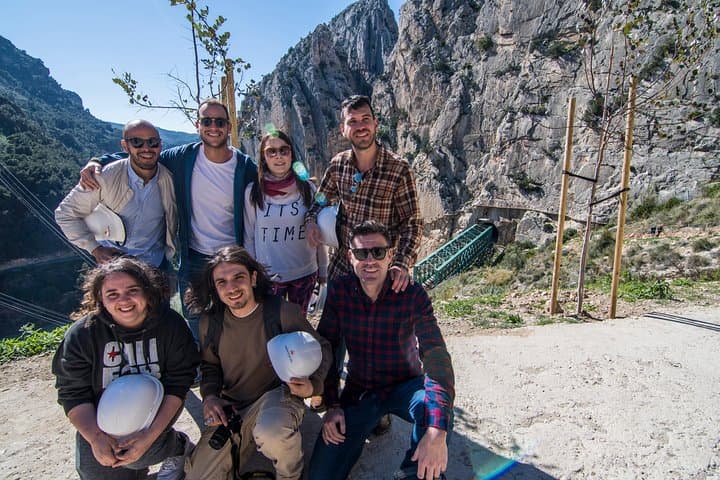
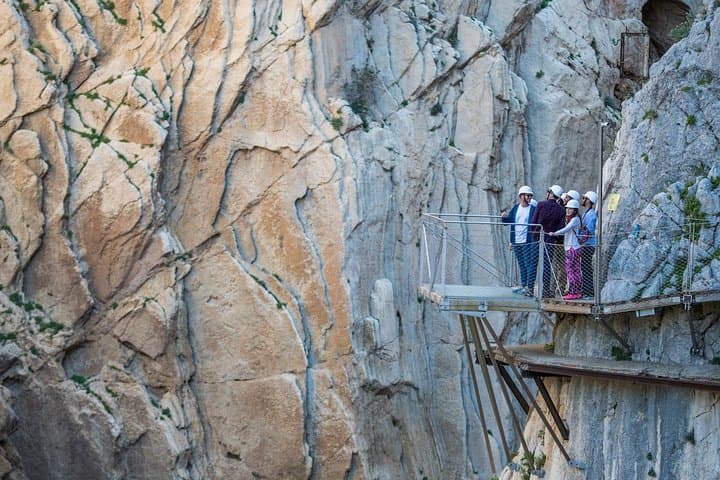
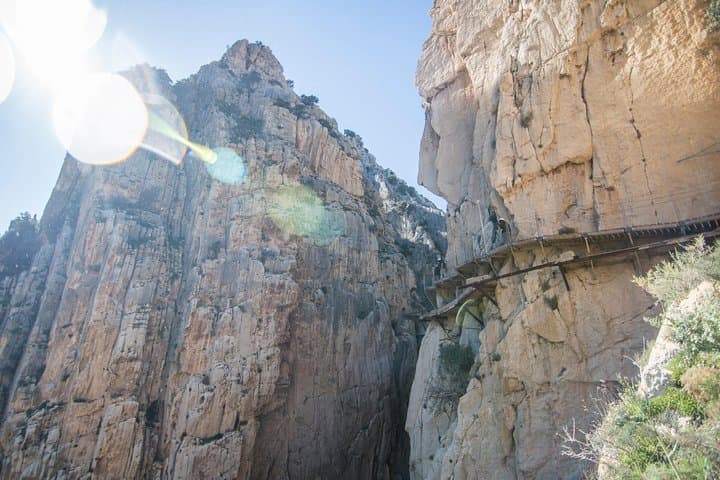
The path arrives before the canyon does — a neat line of steel and wood fixed to vertical limestone, the boardwalk threading along a gorge that rises like a wall of time. On a clear morning, the walk from the meeting point hums with the nervous energy of a group that has come to measure itself against altitude and geology. The Caminito del Rey is not only a walkway; it’s a route that forces a conversation between human engineering and a landscape that carved itself out over millions of years.
Verified experiences and guided adventures in the surrounding area.
Operated by Discovering Spain · Ardales, Málaga
The path arrives before the canyon does — a neat line of steel and wood fixed to vertical limestone, the boardwalk threading along a gorge that rises like a wall of time. On a clear morning, the walk from the meeting point hums with the nervous energy of a group that has come to measure itself against altitude and geology. The Caminito del Rey is not only a walkway; it’s a route that forces a conversation between human engineering and a landscape that carved itself out over millions of years.
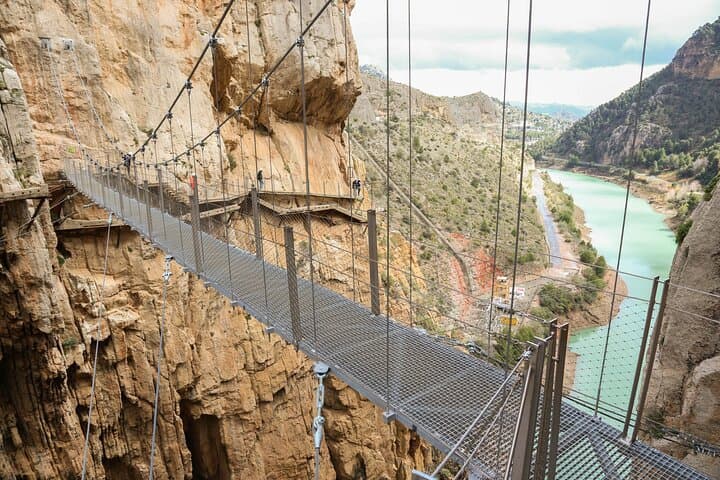
Carved through the Desfiladero de los Gaitanes between Álora and Ardales, the trail sits roughly 300 meters above the Guadalhorce river. King Alfonso XIII gave the original path its royal name after he crossed here in 1921, though the structure seen today is a carefully restored, secure walkway completed in 2015. The trail’s bones are limestone canyons cut by glacial melt and river flow, with narrow ledges, aqueduct remains, and the occasional rusted relic of the old maintenance route poking through scrub and rosemary.
The experience is equal parts natural history and human story. You’ll pass old railway tunnels, sheer cliffs that feel alive with geology, and viewpoints where the river dares you to look down. Birdlife—kestrels and griffon vultures—rides the thermals above, and spring brings a smear of rock roses and thyme that scent the air.
Practicalities are straightforward but matter: the full linear route measures about 7.7 km (there and back includes approach trails), with roughly 3 km of suspended boardwalk along the cliff face. Elevation change is modest but the path is exposed; the maximum exposed height is approximately 300 m. Most guided day trips from Granada run 7–8 hours round-trip, including transportation and a guided tour segment of the walkway that takes about 2–3 hours to traverse at a comfortable pace.
This hike is not for anyone with acute vertigo or significant mobility issues; children under 8 are not permitted. Bring a filled water bottle, sturdy shoes with good grip, sun protection, and a light wind layer — the canyon can be windier and several degrees cooler than surrounding plains. Cameras are welcome but secure them; the best shots are from the bridge sections and the landings above the river.
Booking is typically paired with round-trip transport from Granada and an official guide who explains the canyon’s industrial past and the restoration work that saved the path. The operator often cancels if weather is poor; check conditions the day before and arrive early to make the most of quieter sections. When you step onto the boardwalk, the canyon’s geology will pull you forward, and the river far below will insist you notice it.
moderate.
7–8 hours.
Good walking fitness; able to handle several hours of steady walking and exposed sections at heights.
The full route including approaches covers about 7.7 km; the suspended boardwalk sections total roughly 2.9–3 km, and most guided visits take 2–3 hours on the path plus transport time.
Children under 8 are not permitted for safety reasons; older children must be comfortable with heights and supervised at all times.
Yes—many operators run guided day trips from Granada with round-trip transportation that takes about one hour each way depending on traffic.
Guided packages usually include the admission ticket; booking in advance is strongly recommended because entry slots sell out, especially in high season.
No—those with severe vertigo, cardiovascular issues, or recent spinal injuries should avoid the route due to exposure and sustained walking at height.
Operators will cancel or reschedule tours in heavy rain or high winds for safety; check the cancellation policy and weather forecast before departure.
The path follows maintenance routes built for early 20th-century hydropower works and gained fame after King Alfonso XIII crossed it in 1921; recent restoration reopened it as a safe, iconic walkway.
Restoration prioritized minimal intervention and visitor limits to protect cliffside flora and breeding raptors; stick to the path and avoid disturbing wildlife.
Discovering Spain operates guided outdoor trips and adventures with an emphasis on safety, stewardship, and memorable experiences.
The path arrives before the canyon does — a neat line of steel and wood fixed to vertical limestone, the boardwalk threading along a gorge that rises like a wall of time. On a clear morning, the walk from the meeting point hums with the nervous energy of a group that has come to measure itself against altitude and geology. The Caminito del Rey is not only a walkway; it’s a route that forces a conversation between human engineering and a landscape that carved itself out over millions of years.
The path arrives before the canyon does — a neat line of steel and wood fixed to vertical limestone, the boardwalk threading along a gorge that rises like a wall of time. On a clear morning, the walk from the meeting point hums with the nervous energy of a group that has come to measure itself against altitude and geology. The Caminito del Rey is not only a walkway; it’s a route that forces a conversation between human engineering and a landscape that carved itself out over millions of years.
Carved through the Desfiladero de los Gaitanes between Álora and Ardales, the trail sits roughly 300 meters above the Guadalhorce river. King Alfonso XIII gave the original path its royal name after he crossed here in 1921, though the structure seen today is a carefully restored, secure walkway completed in 2015. The trail’s bones are limestone canyons cut by glacial melt and river flow, with narrow ledges, aqueduct remains, and the occasional rusted relic of the old maintenance route poking through scrub and rosemary.
The experience is equal parts natural history and human story. You’ll pass old railway tunnels, sheer cliffs that feel alive with geology, and viewpoints where the river dares you to look down. Birdlife—kestrels and griffon vultures—rides the thermals above, and spring brings a smear of rock roses and thyme that scent the air.
Practicalities are straightforward but matter: the full linear route measures about 7.7 km (there and back includes approach trails), with roughly 3 km of suspended boardwalk along the cliff face. Elevation change is modest but the path is exposed; the maximum exposed height is approximately 300 m. Most guided day trips from Granada run 7–8 hours round-trip, including transportation and a guided tour segment of the walkway that takes about 2–3 hours to traverse at a comfortable pace.
This hike is not for anyone with acute vertigo or significant mobility issues; children under 8 are not permitted. Bring a filled water bottle, sturdy shoes with good grip, sun protection, and a light wind layer — the canyon can be windier and several degrees cooler than surrounding plains. Cameras are welcome but secure them; the best shots are from the bridge sections and the landings above the river.
Booking is typically paired with round-trip transport from Granada and an official guide who explains the canyon’s industrial past and the restoration work that saved the path. The operator often cancels if weather is poor; check conditions the day before and arrive early to make the most of quieter sections. When you step onto the boardwalk, the canyon’s geology will pull you forward, and the river far below will insist you notice it.