THE ADVENTURE COLLECTIVE® · Independent discovery and booking for outdoor travel

Board a morning train from Seville and arrive at El Chorro to walk the suspended boardwalks of Caminito del Rey. This guided, helmeted walk through a dramatic limestone gorge pairs easy, exposed hiking with local history and a scenic village stop.
Board a morning train from Seville and arrive at El Chorro to walk the suspended boardwalks of Caminito del Rey. This guided, helmeted walk through a dramatic limestone gorge pairs easy, exposed hiking with local history and a scenic village stop.
You step off the train at El Chorro and the canyon greets you like an old dare — sheer, limestone walls cutting a narrow throat through Andalusia. The shuttle drops you at a kiosk, a short tunnel opens like a stage door, and suddenly you are walking on the famous Caminito del Rey: a narrow boardwalk clinging to rock, hovering above the Guadalhorce River as it pushes through the gorge.
Verified experiences and guided adventures in the surrounding area.
Operated by Sevilla Moving · Ardales, Málaga
You step off the train at El Chorro and the canyon greets you like an old dare — sheer, limestone walls cutting a narrow throat through Andalusia. The shuttle drops you at a kiosk, a short tunnel opens like a stage door, and suddenly you are walking on the famous Caminito del Rey: a narrow boardwalk clinging to rock, hovering above the Guadalhorce River as it pushes through the gorge.
The path threads 7–8 kilometers of cliff faces and metal catwalks built in the early 20th century for dam workers and later infamously known for its dilapidated, dangerous state. Rebuilt and reopened in 2015, the route preserves the raw engineering feel while offering safer passage and sweeping views into the gorge. Geologically, this is a carved limestone amphitheater: water and time have eaten deep channels and exposed stratified rock, small caves and vertical ribs that light and shadow accentuate through the day.
Locals from Álora, Ardales and El Chorro still measure seasons by river flow. Olive groves and white villages sit a short drive from the trailhead; tapas bars near the Chorro station pour beer and serve tortilla to hikers finishing the walk. The area carries a practical, working‑land culture shaped by irrigation projects, railway workers and climbing communities who pioneered routes across these cliffs.
Practicalities are straightforward: the full outing on this sealed, guided option runs about 8–10 hours round trip from Seville because the package includes train and shuttle transfer time. The on‑trail portion is roughly 3–4 hours of walking on mostly flat, secured pathways with some stairs and exposed viewpoints; elevation change is modest but you’ll be walking across suspended platforms where a steady head for heights helps. Tickets include helmets, an official guide and train fares; book at least a week in advance during high season.
Timing matters: arrive early to catch crisp morning light on the rock and thinner crowds; late afternoon brings warmer tones and a quieter trail before the return train. Bring a reusable water bottle, sun protection and sturdy shoes with good grip; the walkway is secure but the surfaces can be slippery after rain. Expect short breaks for photos and a longer stop at the village of El Chorro to recharge before the return.
Conservation here is active — visitor numbers are managed and helmets are compulsory to minimize impact and risk. Treat the gorge with respect: stick to paths, pack out trash and avoid loud behavior near nesting birds. For travelers who enjoy dramatic geology, easy technical hiking and a slice of Andalusian life, the Caminito del Rey by train from Seville is a compact, memorable day that balances convenience with the raw thrill of walking the cliffs above the Guadalhorce.
moderate.
8–10 hours (including travel); 3–4 hours on trail.
Suitable for moderately fit travelers comfortable with several hours of walking and short stair sections; no technical climbing required
You can show mobile tickets; organizers also accept printed copies—follow Viator’s delivery message for instructions.
The boardwalk and trail section takes about 3–4 hours depending on pace and photo stops.
Yes, safety helmets are provided and mandatory to enter the Caminito del Rey.
Children are allowed but must be supervised; consider age, comfort with heights and the total time away from transport.
There’s a small restaurant at El Kiosco and bars in El Chorro where you can eat before or after the walk.
The operator may close access in severe weather for safety; check messages from Viator and local advisories on the day.
The pass was originally built between 1901–1905 to service the nearby hydroelectric projects and named after King Alfonso XIII who crossed the path in 1921.
Visitor numbers are regulated and safety gear is mandatory to reduce erosion and disturbance; stay on paths and pack out trash to protect nesting birds and flora.
Sevilla Moving operates guided outdoor trips and adventures with an emphasis on safety, stewardship, and memorable experiences.
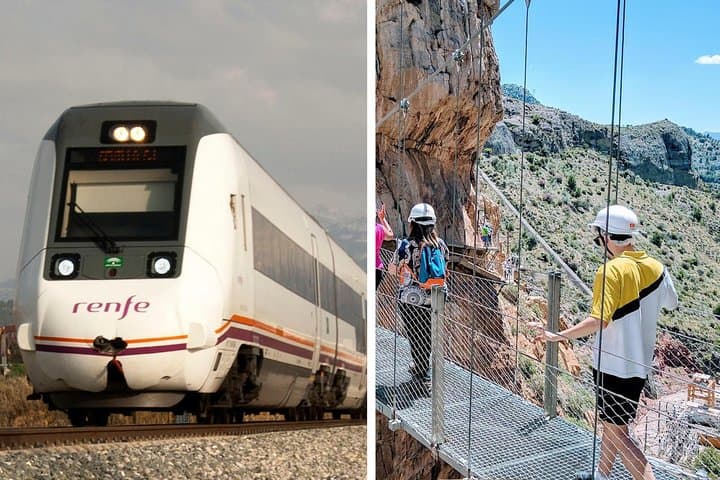
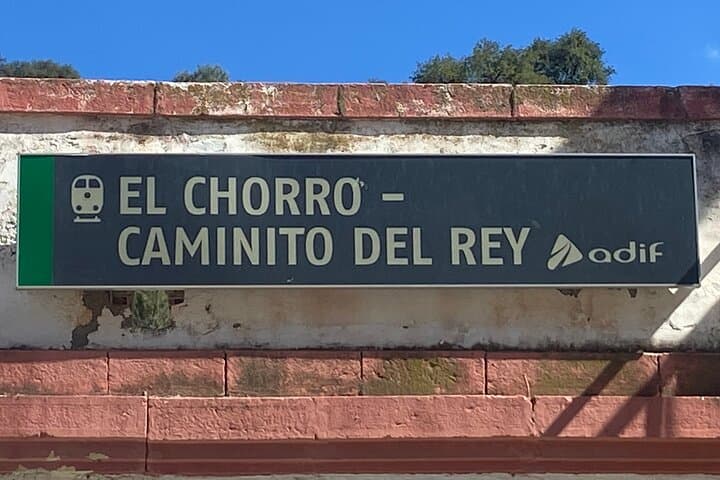
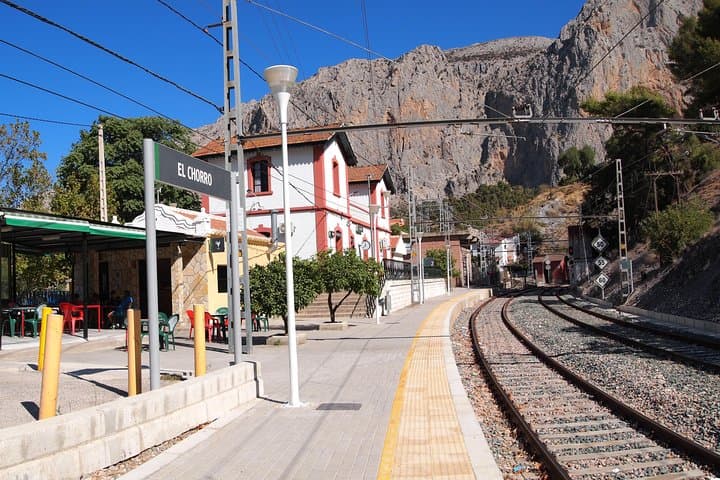
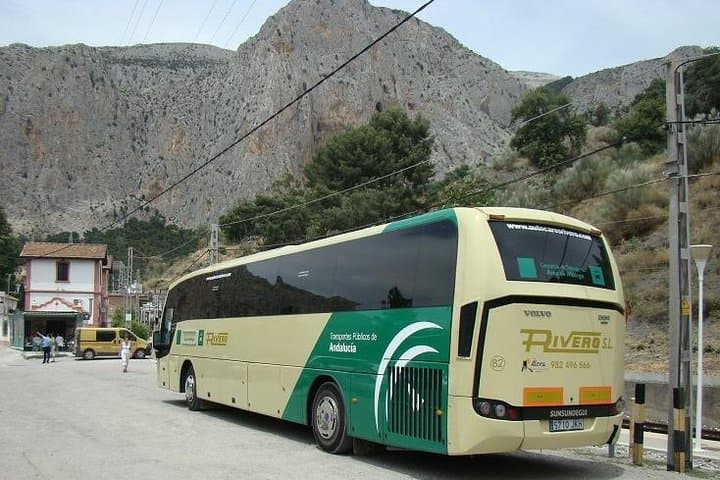
You step off the train at El Chorro and the canyon greets you like an old dare — sheer, limestone walls cutting a narrow throat through Andalusia. The shuttle drops you at a kiosk, a short tunnel opens like a stage door, and suddenly you are walking on the famous Caminito del Rey: a narrow boardwalk clinging to rock, hovering above the Guadalhorce River as it pushes through the gorge.
You step off the train at El Chorro and the canyon greets you like an old dare — sheer, limestone walls cutting a narrow throat through Andalusia. The shuttle drops you at a kiosk, a short tunnel opens like a stage door, and suddenly you are walking on the famous Caminito del Rey: a narrow boardwalk clinging to rock, hovering above the Guadalhorce River as it pushes through the gorge.
The path threads 7–8 kilometers of cliff faces and metal catwalks built in the early 20th century for dam workers and later infamously known for its dilapidated, dangerous state. Rebuilt and reopened in 2015, the route preserves the raw engineering feel while offering safer passage and sweeping views into the gorge. Geologically, this is a carved limestone amphitheater: water and time have eaten deep channels and exposed stratified rock, small caves and vertical ribs that light and shadow accentuate through the day.
Locals from Álora, Ardales and El Chorro still measure seasons by river flow. Olive groves and white villages sit a short drive from the trailhead; tapas bars near the Chorro station pour beer and serve tortilla to hikers finishing the walk. The area carries a practical, working‑land culture shaped by irrigation projects, railway workers and climbing communities who pioneered routes across these cliffs.
Practicalities are straightforward: the full outing on this sealed, guided option runs about 8–10 hours round trip from Seville because the package includes train and shuttle transfer time. The on‑trail portion is roughly 3–4 hours of walking on mostly flat, secured pathways with some stairs and exposed viewpoints; elevation change is modest but you’ll be walking across suspended platforms where a steady head for heights helps. Tickets include helmets, an official guide and train fares; book at least a week in advance during high season.
Timing matters: arrive early to catch crisp morning light on the rock and thinner crowds; late afternoon brings warmer tones and a quieter trail before the return train. Bring a reusable water bottle, sun protection and sturdy shoes with good grip; the walkway is secure but the surfaces can be slippery after rain. Expect short breaks for photos and a longer stop at the village of El Chorro to recharge before the return.
Conservation here is active — visitor numbers are managed and helmets are compulsory to minimize impact and risk. Treat the gorge with respect: stick to paths, pack out trash and avoid loud behavior near nesting birds. For travelers who enjoy dramatic geology, easy technical hiking and a slice of Andalusian life, the Caminito del Rey by train from Seville is a compact, memorable day that balances convenience with the raw thrill of walking the cliffs above the Guadalhorce.